Festivals in Nepal

Nepal’s Cultural Mosaic and Festival Heritage
Nepal stands out as a vibrant, multi-religious, multicultural, and multiethnic country where diverse communities—spanning from the high Himalayas and the lush Hilly region down to the Terai (plains)—live together in deep harmony. Across the country, people celebrate a rich array of festivals rooted in their unique ethnic traditions and religious beliefs. Indeed, family reunions form the heart of these celebrations, with Nepalese observing more than fifty distinct festivals every year. While national holidays fall on fixed calendar dates, religious festivals follow the lunar calendar and are determined by expert astrologers.
Major Festivals in Nepal
1. Dashain (October)
Dashain reigns as Nepal’s grandest and most significant festival, typically falling in September or October. Also known as Vijayadashami, the celebration spans fifteen auspicious days, symbolizing the ultimate triumph of good over evil. Key milestones mark the festival’s progression:
-
Ghatasthapana: The first day, marked by sowing holy jamara.
-
Fulpati: The seventh day, featuring sacred floral processions.
-
Maha Ashtami: The eighth day, dedicated to intense worship and traditional rituals.
-
Maha Navami: The ninth day, honoring divine protection and strength.
-
Vijaya Dashami: The tenth day, when elders apply tika and jamara while bestowing blessings upon younger family members.
Beyond its religious significance, Dashain coincides with the harvest season, offering a time to thank deities for a bountiful crop and pray for future prosperity. Throughout the holiday, relatives travel from far and wide to reunite, exchange heartfelt gifts, and feast on traditional foods.
2. Tihar (The Festival of Lights)
Following closely behind Dashain, Tihar is a vibrant five-day celebration honoring sacred animals, sisters, and Laxmi, the goddess of wealth. During this period, homes glow with oil lamps (diyo) and colorful marigold garlands, welcoming prosperity into every household. Communities pay special homage to crows, dogs, cows, and oxen on successive days, recognizing their vital bond with human life, before celebrating Bhai Tika to strengthen the lifelong bond between brothers and sisters.
3. Chhath Festival
Celebrated prominently in the Terai region, Chhath spans four devoted days in November. Devotees honor Lord Surya (the sun god) for sustaining life on Earth, offering prayers for health, fertility, and family welfare. Rituals include strict fasting, holy ritual baths, and standing near water bodies at sunrise and sunset to offer direct worship to the sun.
4. Other Notable Celebrations
-
Holi: The exuberant Festival of Colors, where people splash colored water and powder to celebrate the arrival of spring and the triumph of devotion.
-
Teej: A women-led festival featuring vibrant red attire, rigorous fasting, and joyous folk dancing to pray for marital harmony and family well-being.
-
Bisket Jatra: The traditional New Year celebration in the Kathmandu Valley, highlighted by grand chariot processions and cultural pageantry.
Ultimately, these shared celebrations unite communities, promote mutual understanding, and showcase Nepal’s extraordinary cultural heritage to the world.
2. Tihar (November)
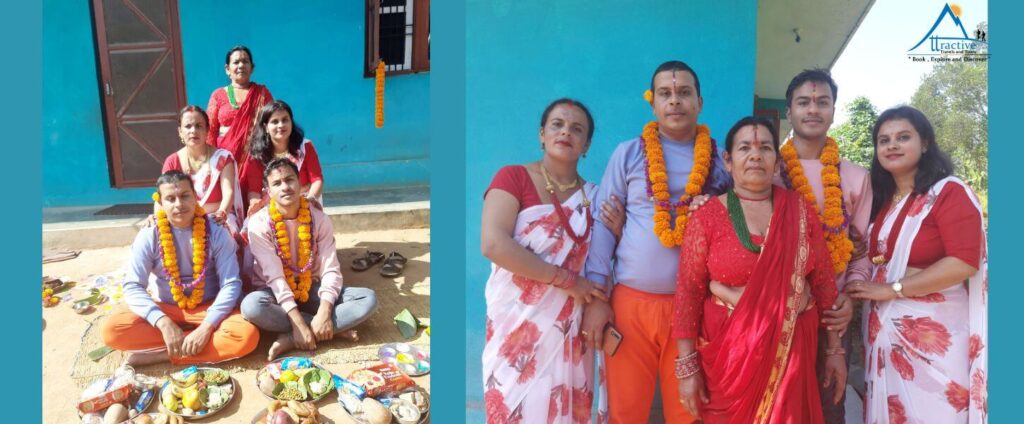
Indeed, Tihar stands out as one of Nepal’s most important festivals, typically falling in November. Also known as the Festival of Lights, families celebrate it across five distinct days. Specifically, the first two days feature Kaag Tihar (worship of crows) and Kukur Tihar or Dog Festival (worship of dogs). Following this, the third day honors cows in the morning and Goddess Laxmi in the evening. Next, the fourth day brings Gobardan Puja or Mha Puja, while the fifth and final day is Bhai Tika, where sisters apply tika to their brothers’ foreheads.
Consequently, communities celebrate Tihar not only to honor sibling bonds but also to worship the goddess of wealth. Throughout the festival, homeowners decorate their houses with bright lights and colorful marigold flowers. Moreover, during the third and fourth evenings, children and youths go door-to-door singing traditional Bhailo and Deusi songs to collect blessings and treats. Ultimately, this joyous celebration arrives right after Dashain.
3. Holi (March)
Meanwhile, Hindus widely celebrate Holi in March, affectionately calling it the Festival of Colors. During this vibrant event, participants dance, eat traditional delicacies, and playfully toss colored powders and water at one another. Symbolically, Holi marks the official start of spring and the farewell to winter. Thus, it offers a wonderful opportunity for people to gather together, set aside old conflicts, and enjoy one another’s company.

4. Losar (January, February, December)
Lhosar is the festival of the Himalayan region of Nepal. The Losar comprises two words: ‘ Lo’ means new, and ‘sar’ means year. So, the meaning of Losar is a new year. The Buddhist community of Nepal celebrates it. For Buddhists, Losar represents the start of the new year, and each year has a separate zodiac animal each year. The festival is known by several names and is celebrated on different days depending on the community.
The Gurung community celebrates Tamu Losar, or Lhochhar, which falls in December. Tamang communities celebrate Tamu Losar in January, and Sherpa communities celebrate Gyalpo Losar. During the Lhosar festival, families and communities gather to greet one another and pray for a happy and healthy new year. On this day, people cook traditional dishes such as khapse (a deep-fried pastry), guthuk (a soup with dumplings), and changkol (a noodle dish and share those with their relatives. People also dress up in their traditional customs.
5. Buddha Jayanti (March)
It is the festival of Buddhism in Nepal, which falls in March. During this festival, Gautama Buddha, the founder of Buddhism, is honored for his birth, enlightenment, and death. People offer prayers, light candles, and pay respects at Buddhist shrines. It serves as a celebration of wisdom, compassion, and peace and a reminder of Buddhism’s principles.
6. Janai Purnima (August)
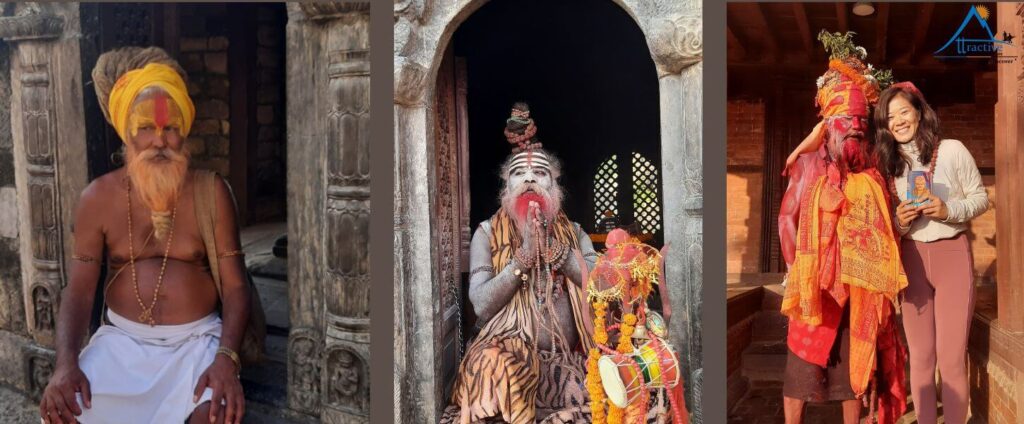
Janai Purnima, one of the local festivals of Nepal, falls in August. On this day, Hindu males purify their souls by changing their sacred thread on this day and bathing in the holy river.
7. Teej (August)
Hindu women celebrate Teej in August. The women fast to ensure the long life and well-being of their husbands. The festival is dedicated to the goddess Parvati, the wife of Lord Shiva. Teej is a three-day festival. Women fast on the first day and worship the goddess Parvati to receive her blessings for a happy and blissful marriage. Similarly, women make special meals on the second day and engage in many ceremonies with their friends and family. The third day is known as the Rishi Panchami.
8. Mahashivaratri (February) Festival

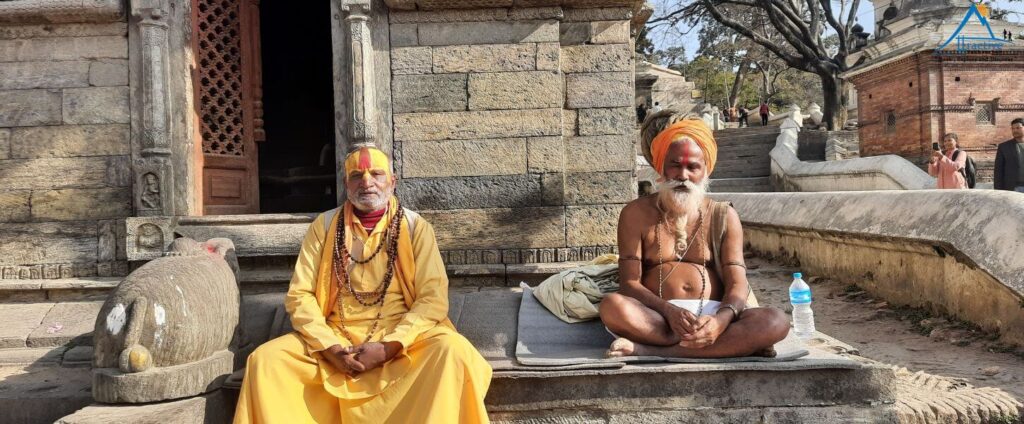
Each February, Hindus celebrate Mahashivaratri, a major festival dedicated to Lord Shiva. On this sacred day, devoted followers fast from dawn to dusk, perform puja, and participate widely in religious ceremonies and cultural events. Seeking divine grace, worshippers pray for success, inner joy, and the achievement of their goals. Typically, crowds flock to the holy Pashupatinath Temple or local shrines. Visitors can witness truly spectacular scenes at Pashupatinath, where thousands of sadhus (monks) and devout pilgrims gather to receive blessings directly from Lord Shiva.
Bisket Jatra in April
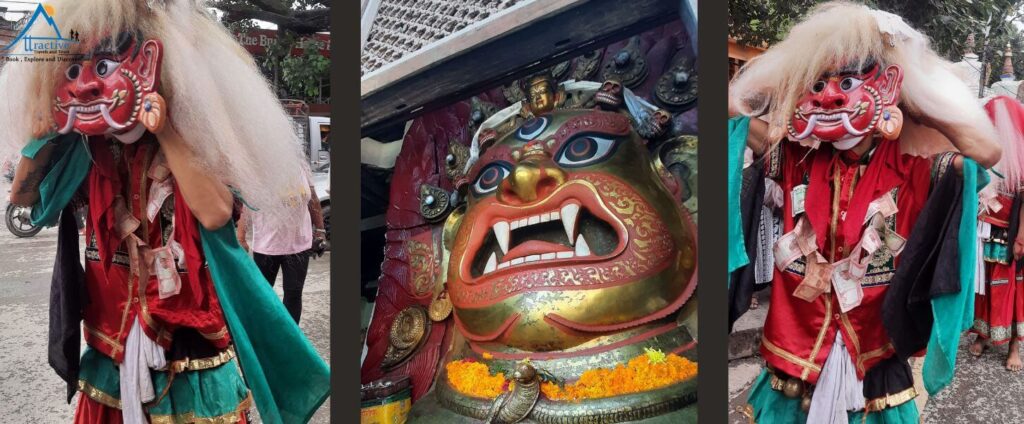
Usually occurring in April, Bisket Jatra marks the vibrant beginning of the Nepali New Year across the Kathmandu Valley. Specifically, the Newar community celebrates this grand festival across several action-packed days. A major highlight features the majestic chariot procession of the deity Bhairab, whom locals revere as the city’s divine protector. During the event, enthusiastic young men pull the towering wooden chariot through narrow streets while traditional music fills the air and performers execute lively cultural dances.
10. Gai Jatra (August)
Gai Jatra is a Hindu festival that falls in August. In particular, the Newar community in Kathmandu, Bhaktapur, and Lalitpur celebrates it in memory of those who passed away the previous year. Gai Jatra is a celebration that helps people prepare for life beyond death and accept the truth of death. Observing the cow’s possession and realizing that others also lose loved ones lessens their pain and sorrow. The festival is a time for loved ones to be remembered and for family and friends to get together.
11. Indra Jatra (September)

Indra Jatra is another biggest festival of the Newar community. This festival honors the day Indra descended from heaven in human form to search for a herb. On this day, Lakhey, a masked dancer, performed in front of the old Newa towns practically every evening, portraying various gods and devils. We can also see the three chariots of Kumari, Bhairav, and Ganesh marching through the streets, pulled by joyful and enthusiastic crowds.
12. Ihi

The Newar community of Nepal performs Ihi, also known as Bel Bibaha. Families celebrate this unique tradition over two days, dedicating the first day to Dusala Kriya and the second to Kanyadaan. During this ceremony, a young Newari girl between five and ten years old marries a statue of Lord Vishnu, with a bel fruit (wooden apple) acting as the official witness. The wedding carries a profound meaning. Traditional beliefs hold that society will never view the girl as a widow if her future human spouse passes away, since she remains legally married to God. Consequently, parents carry out this ceremony to protect young girls from evil spirits, though the primary goal shields them from the social stigma of widowhood.
Chhath Festival in November
Chhath serves as the primary festival for the people of Nepal’s Terai region, taking place every November. Local communities celebrate this vibrant event across four days. Throughout the festival, people thank Lord Surya (the sun) for sustaining life on Earth and pray for humanity’s continued welfare. As part of the sacred rituals, devotees take holy baths, observe strict fasts, and spend hours standing before the sun in prayer.
Christmas Celebrations in December
Christians celebrate Christmas annually on December 25th. Across Nepal, Christian communities observe the holiday with great enthusiasm. In addition, individuals from other religious backgrounds actively participate in the celebrations alongside their Christian friends. Much like other national holidays, Nepalese people embrace Christmas with festive spirit, with people flocking to churches on both Christmas Eve and Christmas Day.
15. Maghe Sankranti (January)
People also call Maghe Sankranti Makar Sankranti, where “Sankranti” simply means the first day of the month. Communities celebrate this vibrant festival on the first day of the Nepalese month Magh, marking the official end of chilly winter weather and welcoming warmer days ahead. Observers believe the sun begins migrating toward the Northern Hemisphere from this day onward. To celebrate, families prepare delicious dishes made from spinach, potatoes, and yam curry the day before, devouring the feast the following morning. Throughout the day, relatives gather together outdoors to bask under the warm sunlight.
Conclusion on Festivals in Nepal
Nepal has a rich culture of festivals and festivities yearly because it is a varied country with various ethnic groups and religions. Nepal’s festivals are vibrant and energetic and offer a look into the nation’s history, culture, and religious beliefs.

Undoubtedly, Dashain reigns as one of Nepal’s most beloved celebrations, spanning fifteen joyful days to commemorate the ultimate triumph of good over evil. Similarly, Christmas brings families together for warm gatherings, festive dining, and thoughtful gift-giving. Meanwhile, Tihar shines as a vibrant five-day celebration—widely known as the Festival of Lights—where people honor sacred animals, cherish sisters, and worship the goddess of wealth. As a result, Tihar stands out as a deeply significant cultural event.
Cultural Celebrations Across the Seasons
Beyond these major holidays, Nepal hosts a rich calendar of annual festivities. For instance, celebrations like the Festival of Colors (Holi), the traditional New Year festival (Bisket Jatra), and the women’s dedicated festival (Teej) fill the year with energy. Ultimately, these events unite communities, foster peace and mutual understanding, and highlight Nepal’s unique traditions and cultural heritage.
Conclusion: The Heart of Nepalese Identity
Overall, festivals form an essential pillar of Nepal’s cultural identity. Across the country, people of all ages and backgrounds observe these rich traditions with immense enthusiasm and joy.
Join with us for life-time memorable trip to Nepal include culture, religion and festivals.
-
Kathmandu Top 4 UNESCO World Heritage Sites Day Tour
-
Chandragiri Cable Car and Monkey Temple – Day Tour
-
Real Experience Nepal Tour
-
7 Days Nepal Tour
-
Namobuddha Monastery Spiritual Experience with Dhulikhel Day Tour
-
Nagarkot Sunrise and Bhaktapur Durbar Square Heritage Tour
-
Nepal & Bhutan Cultural Tour – 10 Days