Introduction
Manaslu Round Luxury Trek
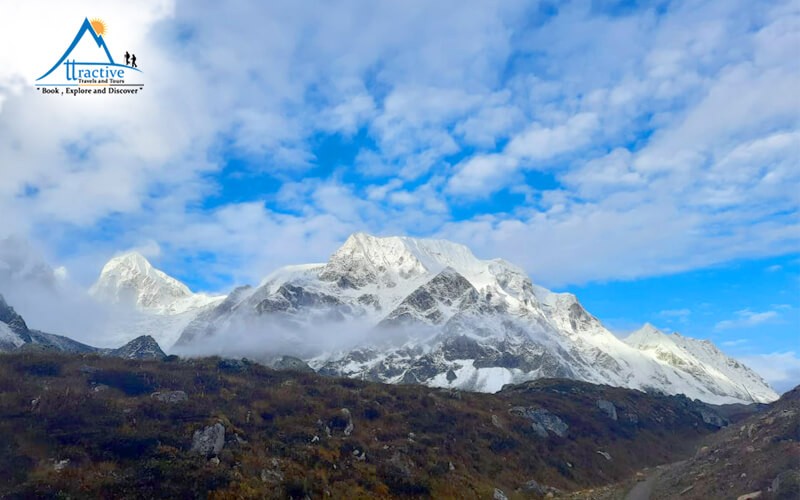
The Manaslu Round Luxury Trek is widely celebrated as one of Nepal’s premier off-the-beaten-path expeditions. Tucked away in the central Himalayas between the popular Annapurna Region Trekking and Langtang regions, this classic circuit completely encompasses Mount Manaslu (8,163 m)—the eighth-highest peak in the world.
Derived from the ancient Sanskrit word Manasa, which translates to “Mountain of the Spirit,” Manaslu is locally known as Pungyen Ri. Consequently, the peak holds deep spiritual reverence among local Nupri communities. In fact, they worship its embodiment in monasteries perched high above the valley floor.
Unlike heavily commercialized routes, the wilderness trail along this trek offers a tranquil adventure through the narrow gorge of the Budhi Gandaki River. Initially, the journey showcases an extraordinary range of biodiversity in lush, subtropical lowlands with terraced fields. Subsequently, you will ascend through dense rhododendron and pine forests. Ultimately, you will enter the stark, treeless alpine tundra of the upper valley.
In addition to its natural splendor, the trek provides an immersive cultural encounter with ancient Tibetan-influenced mountain communities. Therefore, trekkers can walk alongside carved stone Mani walls, spinning prayer wheels, and historic gompas in remote highland settlements like Samagaon and Samdo.
Furthermore, the ultimate physical climax of this adventure is crossing the legendary Larkya La Pass (5,106 m). Indeed, this thrilling high-altitude traverse rewards adventurers with breathtaking, front-row panoramas of Himlung Himal, Cheo Himal, Kang Guru, and Annapurna II. In order to stay informed, you can check updated mountain safety guidelines on the Nepal Tourism Board official portal.
Highlights of the Manaslu Round Luxury Trek
-
Majestic Himalayan Panoramas: For instance, you will experience up-close, unobstructed views of Mount Manaslu (8,163 m), Manaslu North, Naike Peak, Peak 29, Himalchuli, and the Annapurna range.
-
The Thrill of Larkya La Pass (5,106 m): You will conquer one of the longest and most dramatic high-altitude pass crossings in the Himalayas. Furthermore, it is surrounded by immense glaciers and colorful prayer flags.
-
Authentic Tibetan Buddhist Culture: Journey through the ancient Nupri region. Specifically, you will explore traditional stone villages, prayer wheel corridors, Mani walls, and centuries-old monasteries like Ribung Gompa and Pungyen Gompa.
-
Incredible Ecological Diversity: Walk through six distinct climate zones in a single trip. Naturally, these range from warm subtropical farmlands to alpine pine forests and glacial moraines.
-
Side Trips & Alpine Lakes: In addition, enjoy dedicated acclimatization days featuring excursions to the turquoise glacial waters of Birendra Lake, Pungyen Monastery, or a hike toward Manaslu Base Camp (4,800 m).
-
Private & Luxury Logistics: Instead of taking long public bus rides, travel comfortably with private 4WD jeep transport between Kathmandu, Machha Khola, Besisahar, and back.
Key Information for the Manaslu Luxury Itinerary
-
Trip Duration: 17 Days (Full round-trip from Kathmandu arrival to final departure)
-
Trekking Distance: Approximately 170–180 km (105–112 miles)
-
Trip Difficulty: Strenuous to Challenging
-
Maximum Elevation: 5,106 meters / 16,752 feet (Larkya La Pass summit)
-
Starting & Ending Points: Starts at Machha Khola; ends at Besisahar (both via private vehicle)
-
Best Seasons: Spring (March to May) & Autumn (September to November)
-
Permits Required: Restricted Area Permit (RAP), MCAP, and ACAP
-
Group Mandate: Minimum 2 foreign trekkers + 1 licensed Nepali guide (Nepal Government Law)
-
Accommodation & Meals: Deluxe Hotel in Kathmandu (B&B + Welcome/Farewell Dinners); Handpicked Teahouses during trek (Full Board / 3 meals daily)
Frequently Asked Questions (FAQs) About Manaslu Round Luxury Trek
1. Why is solo trekking not allowed during the Manaslu Round Luxury Trek?
Because the upper Budhi Gandaki Valley borders Tibet and falls under a designated Restricted Border Zone, the Nepal Ministry of Home Affairs mandates strict rules. Specifically, all foreign nationals must trek with a minimum group size of two people. Additionally, you must be accompanied by a licensed Nepali trekking guide. As a result, independent solo trekking without an official agency guide is strictly illegal.
2. How fit do I need to be for this luxury Manaslu expedition?
While technical climbing skills or mountaineering gear are not required, you should have strong physical endurance. Overall, daily trekking averages 5 to 7 hours over steep ascents, uneven stone steps, and high-altitude moraines.
Recommended Preparation:
-
Perform cardiovascular training (running, cycling, swimming) 2–3 months prior to the trek.
-
Complete day hikes while carrying a loaded daypack (5–8 kg).
-
Focus on leg-strengthening exercises, such as squats, lunges, and stair climbing.
3. How does altitude sickness (AMS) management work on this itinerary?
Our 17-day schedule features two dedicated acclimatization days (at Samagaon, 3,520m, and Samdo, 3,860m). Consequently, these rest days help your body naturally adapt before tackling the pass.
Key On-Trail Guidelines:
-
First, walk at a slow, continuous pace (bistari, bistari).
-
Second, drink 3 to 4 liters of fluid (water/hot soup) daily.
-
Meanwhile, avoid alcohol and sleeping tablets at high altitudes.
-
Finally, consider carrying Acetazolamide (Diamox) after consulting your medical provider. To learn more about altitude health, check out the Himalayan Rescue Association.
4. What are the lodge amenities during the luxury Manaslu circuit route?
-
Hot Showers: For example, gas or solar hot showers are available at most teahouses for a small fee ($3 to $5 USD).
-
Device Charging: Electricity is available across teahouses. However, charging phones or power banks incurs a fee ($2 to $5 USD) at higher elevations where solar power is used.
-
Wi-Fi & Mobile Connectivity: Wi-Fi is available in lower villages for a fee. Nevertheless, connectivity becomes unreliable or non-existent above Samagaon. Meanwhile, local SIM cards (Ncell/NTC) offer intermittent signal up to Samagaon.
5. What food options are available in the teahouses?
Teahouses provide expansive menus featuring a blend of local and international dishes:
-
Nepali Staple: Dal Bhat (steamed rice, lentil soup, vegetable curry, and pickles)—all-you-can-eat, high-energy fuel for trekking.
-
Local Specialties: For instance, you can try Sherpa stew (Shyakpa), Tibetan bread, momos, and hot noodle soups (Thukpa).
-
Western Meals: In addition, you can order eggs, porridge, pancakes, fried rice, pasta, and pizza options.
6. How does emergency evacuation work in remote mountain areas?
In the event of severe acute mountain sickness (AMS) or physical injury, your lead guide is fully trained to coordinate a helicopter evacuation. Thus, helicopter rescues can land safely at designated spots along the trail.
Important Note: Therefore, trekkers must carry travel insurance that explicitly covers high-altitude trekking (up to 5,500 meters) and emergency helicopter evacuation. As a result, you should read our detailed guide on Trekking Insurance for Nepal before booking.
Itinerary
Day 1: Arrival in Kathmandu
Upon your arrival at Tribhuvan International Airport (KTM) in Kathmandu, our representative will be waiting to greet you with a warm traditional welcome.
First, we will assist with your luggage and transfer you smoothly in a private vehicle to your luxury hotel in the heart of the city. After checking in, you can take time to unpack, refresh, and unwind from your flight. In the evening, we will gather for a brief pre-trek briefing with your lead guide, where we’ll review the upcoming journey, answer any last-minute questions, and get you fully prepared for the adventure ahead.
-
Location: Kathmandu
-
Elevation: 1,400 meters / 4,593 feet
-
Accommodation: Luxury Hotel
-
Meal Plan: Welcome Dinner (D)
Day 2: Trek Preparation & Kathmandu Sightseeing
Today is dedicated to getting fully organized for the mountains while experiencing the rich cultural heritage of the Kathmandu Valley.
First, while our team secures your official trekking permits (Restricted Area Permit, MCAP, and ACAP), you will head out with an expert city guide for a morning tour of Kathmandu’s iconic UNESCO World Heritage Sites. You’ll visit historic places like Swyambhunath (the Monkey Temple) and the grand stupa of Bouddhanath. In the afternoon, we will return to the hotel for a final gear check to ensure you have all the necessary high-altitude clothing and equipment. Any remaining items can easily be bought or rented in nearby Thamel.
-
Location: Kathmandu
-
Elevation: 1,400 meters / 4,593 feet
-
Accommodation: Luxury Hotel
-
Meal Plan: Breakfast (B)
Day 3: Drive from Kathmandu to Machha Khola
Today our mountain journey officially begins as we leave the city behind and head deep into the central Himalayas.
First, after an early breakfast, we board our private 4WD jeep and set off along the Prithvi Highway, following the winding Trishuli River. As we leave the main highway, the road transforms into a rugged rural mountain track following the Budhi Gandaki River through terraced agricultural slopes, lush subtropical hills, and bustling local market settlements like Dhading Besi and Soti Khola. Finally, after an adventurous 7 to 8-hour drive, we arrive at the riverside village of Machha Khola to settle into our lodge for the night.
-
Location: Machha Khola
-
Elevation: 890 meters / 2,919 feet
-
Accommodation: Local Lodge / Teahouse
-
Meal Plan: Breakfast, Lunch, and Dinner (BLD)
Day 4: Trek from Machha Khola to Jagat
Today we lace up our hiking boots and start our first official day of walking along the Budhi Gandaki river corridor.
First, our trail winds along a narrow undulating valley path, crossing small streams and rocky hillsides. Along the way, we pass through Tatopani, where natural hot springs bubble up along the trail. Next, we cross over the roaring river via suspension bridges and navigate through dense bamboo groves to reach Khorlabesi and Dobhan. Furthermore, the trail offers fascinating views of dramatic gorge walls as we make our final gradual climb up stone steps into Jagat, a beautifully paved stone village that serves as the entry checkpoint for the Manaslu Restricted Area.
-
Location: Jagat
-
Elevation: 1,340 meters / 4,396 feet
-
Accommodation: Local Lodge / Teahouse
-
Meal Plan: Breakfast, Lunch, and Dinner (BLD)
Day 5: Trek from Jagat to Deng
After our permits are verified at the Jagat checkpoint, we set out through the changing landscape as the valley begins to narrow and climb higher.
First, we walk along a well-paved stone path to Salleri and descend toward Sirdibas, enjoying views of the impressive Shringi Himal. Next, we cross a long suspension bridge over to Philim, a prosperous Gurung village surrounded by vibrant corn and millet fields. As we continue past Philim, the trail enters a dramatic, forested gorge with steep cliff faces and cascading waterfalls. Finally, after crossing the Budhi Gandaki River a few more times, we ascend steadily through bamboo and rhododendron woods until reaching the small settlement of Deng.
-
Location: Deng
-
Elevation: 1,860 meters / 6,102 feet
-
Accommodation: Local Lodge / Teahouse
-
Meal Plan: Breakfast, Lunch, and Dinner (BLD)
Day 6: Trek from Deng to Namrung
Marks our entry into the upper region known as Nupri, where the culture, architecture, and language become distinctly Tibetan-influenced.
First, we set off along the river trail, passing intricately carved Mani walls and stone chortens that mark the entrance to Buddhist mountain hamlets. Next, our path climbs through dense pine, fir, and oak forests teeming with native birds and langur monkeys. As we cross and re-cross the river on high suspension bridges, the trail grows steeper. Finally, after a rewarding 6-hour walk, we reach Namrung. This picturesque village offers our first unobstructed, breathtaking views of Manaslu North and Naike Peak right from the local lodges.
-
Location: Namrung
-
Elevation: 2,630 meters / 8,628 feet
-
Accommodation: Local Lodge / Teahouse
-
Meal Plan: Breakfast, Lunch, and Dinner (BLD)
Day 7: Trek from Namrung to Shyala
After a warm breakfast, we set out on one of the most visual and rewarding days of the trek as the high snow-capped summits begin to dominate the sky.
First, we walk through wide barley fields and past traditional stone houses in Lihi and Sho villages. Along the way, you’ll see locals dressed in traditional Tibetan clothing tending to farm fields and yak herds. Next, we pass through Lho village, home to the famous Ribung Monastery perched dramatically on a hill with Mount Manaslu looming right behind it. Furthermore, we continue our steady climb past open mountain pastures until arriving at Shyala, a high alpine village renowned for offering one of the best 360-degree mountain panoramas in the entire region, including views of Himalchuli, Peak 29, and Manaslu.
-
Location: Shyala
-
Elevation: 3,500 meters / 11,482 feet
-
Accommodation: Local Lodge / Teahouse
-
Meal Plan: Breakfast, Lunch, and Dinner (BLD)
Day 8: Trek from Shyala to Samagaon
Today offers a shorter, deliberate walking schedule designed to keep your physical effort light as we transition into high-altitude territory.
First, we set off across open alpine plains surrounded by towering snowy peaks and glacial valleys. The trail leads us gently downhill before following a wide riverbed adorned with long, historic stone Mani walls carved with sacred mantras. Because today’s distance is short, we maintain a very steady, relaxed pace. Finally, after a pleasant 2 to 3-hour walk, we reach Samagaon, the primary regional village of the Nupri people, where we settle into our teahouse early to rest and prepare for tomorrow’s active acclimatization.
-
Location: Samagaon
-
Elevation: 3,520 meters / 11,548 feet
-
Accommodation: Local Lodge / Teahouse
-
Meal Plan: Breakfast, Lunch, and Dinner (BLD)
Day 9: Acclimatization Day at Samagaon
Today is set aside for crucial high-altitude adaptation, helping your body adjust safely to the thinner mountain air before heading higher up the valley.
First, active acclimatization is key to a safe trek. Today you can choose between three wonderful side excursions depending on your energy levels: a gentle hike up to the milky-turquoise waters of glacial Birendra Lake (3,620 m), a scenic pilgrimage walk to the historic Pungyen Monastery, or a full-day, challenging hike up toward Manaslu Base Camp (4,800 m). Furthermore, back in Samagaon during the afternoon, you can stroll past ancient monasteries, interact with local villagers, and enjoy a warm, relaxing evening by the lodge stove.
-
Location: Samagaon
-
Elevation: 3,520 meters / 11,548 feet
-
Accommodation: Local Lodge / Teahouse
-
Meal Plan: Breakfast, Lunch, and Dinner (BLD)
Day 10: Trek from Samagaon to Samdo
After a relaxing rest day, we resume our journey along the upper river valley toward the highest permanent human settlement in the Manaslu region.
First, we descend onto the wide riverbed of the Budhi Gandaki and cross a wooden bridge before climbing gently through alpine juniper and birch groves. Along the way, we pass ancient stone chortens and watch herds of yaks grazing on sparse high-altitude grasses. Furthermore, as we hike closer to the Tibetan border, the valley opens up into sweeping wilderness landscape. Finally, after a comfortable 3 to 4-hour walk, we cross a final bridge and ascend onto a high plateau to arrive in Samdo, a culturally rich Tibetan refugee settlement.
-
Location: Samdo
-
Elevation: 3,860 meters / 12,664 feet
-
Accommodation: Local Lodge / Teahouse
-
Meal Plan: Breakfast, Lunch, and Dinner (BLD)
Day 11: Acclimatization Day at Samdo
Today is our second scheduled acclimatization day, strategically placed to ensure maximum safety, stamina, and comfort before crossing the Larkya La Pass.
First, taking two full acclimatization days above 3,500 meters drastically lowers the risk of altitude sickness. Today, we can take a peaceful morning hike up the ridge behind Samdo toward the old trade route heading to the Tibetan border (Larke La trade pass). This walk rewards us with incredible high-angle views of Samdo Peak, Larkya Peak, and the vast glacial landscape. Next, we return to the lodge by early afternoon for plenty of rest, warm hydration, and a thorough briefing from your guide on tomorrow’s trek up to base camp.
-
Location: Samdo
-
Elevation: 3,860 meters / 12,664 feet
-
Accommodation: Local Lodge / Teahouse
-
Meal Plan: Breakfast, Lunch, and Dinner (BLD)
Day 12: Trek from Samdo to Dharamshala (Larkya Phedi)
Today’s walk is short in distance but vital in execution as we climb to our final high-altitude base before crossing the pass tomorrow.
First, after a hearty breakfast, we descend past the local ruins and cross a wooden bridge over the headwaters of the Budhi Gandaki. Next, we gradually climb through rugged moraines and barren alpine terrain, keeping a slow and deliberate pace to conserve our energy. Along the trail, we enjoy striking views of the huge Larkya Glacier spilling down the mountainside. Finally, after 3 to 4 hours of steady walking, we reach Dharamshala (Larkya Phedi). Upon arrival, we check into our teahouse, eat a warm early dinner, and turn in early for a good night’s sleep before our pre-dawn start!
-
Location: Dharamshala / Larkya Phedi
-
Elevation: 4,480 meters / 14,698 feet
-
Accommodation: Local Lodge / Teahouse
-
Meal Plan: Breakfast, Lunch, and Dinner (BLD)
Day 13: Trek from Dharamshala to Bimthang via Larkya La Pass
Today is the crown jewel and most thrilling day of your entire expedition! We wake up around 3:00 AM, gear up with warm layers and headlamps, and set off into the starlight.
First, our trail climbs steadily up a high ridge and across glacial moraines. Because the route at high elevation is narrow and sloped, we will maintain a gentle, cautious pace. As dawn breaks, magnificent views of Himlung Himal, Cheo Himal, and Kang Guru surround us. After 4 to 5 hours of climbing, we summit Larkya La Pass (5,106 m) draped in vibrant prayer flags! After celebratory photos and soaking in the 360-degree mountain views, we begin a long, gentle descent across snowfields and scree slopes into a lush valley basin. Finally, after 8 to 9 hours of total trekking, we reach the beautiful alpine meadows of Bimthang for a well-earned rest.
-
Location: Bimthang
-
Elevation: 3,720 meters / 12,204 feet
-
Accommodation: Local Lodge / Teahouse
-
Meal Plan: Breakfast, Lunch, and Dinner (BLD)
Day 14: Trek from Bimthang to Goa (Gho)
After a deeply restorative sleep in Bimthang, we begin our descent back into warmer, oxygen-rich lower elevations today.
First, we leave the glacial amphitheater of Bimthang behind and descend through lush pastures along the Dudh Khola (Milk River). Next, our trail enters enchanting, dense forests of pine, rhododendron, and blue fir trees. As we lose altitude, the air becomes warmer and noticeably easier to breathe. Furthermore, we cross wooden bridges over crystal-clear mountain streams and pass small forest clearings used by local yak herders. Finally, after a pleasant 5 to 6-hour walk, we arrive at the quiet, green woodland village of Goa (Gho) to rest for the evening.
-
Location: Goa (Gho)
-
Elevation: 2,515 meters / 8,251 feet
-
Accommodation: Local Lodge / Teahouse
-
Meal Plan: Breakfast, Lunch, and Dinner (BLD)
Day 15: Trek to Dharapani & Drive to Besisahar
Today features our final leg on foot, followed by our exit drive out of the mountain valleys.
First, after breakfast, we embark on a pleasant 2 to 3-hour walk down through farmlands and scrub forests until reaching Dharapani. Here, our trail officially joins the famous Annapurna Circuit route, and we check through our final trekking permits. Next, we bid farewell to our trekking crew and board our private 4WD vehicle. We set off on a scenic, off-road drive following the Marsyangdi River gorge, passing dramatic waterfalls and hillside villages until reaching the lower hub of Besisahar by late afternoon.
-
Location: Besisahar
-
Elevation: 760 meters / 2,493 feet
-
Accommodation: Local Lodge / Hotel
-
Meal Plan: Breakfast, Lunch, and Dinner (BLD)
Day 16: Drive from Besisahar to Kathmandu
Today marks the final return drive of our incredible journey. After a hearty breakfast at the lodge, we bid farewell to the mountain regions and prepare for our trip back to the capital.
First, we board our private vehicle and set off along the Prithvi Highway, following the Trishuli River through vibrant local market towns, terraced hillsides, and lush rural landscapes. Eventually, after a 6 to 7-hour scenic drive, we ascend back into the Kathmandu Valley and transfer you safely to your luxury hotel. In the evening, you can enjoy a hot shower, relax, and celebrate the complete success of your Manaslu Round Luxury Trek with a special farewell dinner featuring local traditional music and cultural dance!
-
Location: Kathmandu
-
Elevation: 1,400 meters / 4,593 feet
-
Accommodation: Luxury Hotel
-
Meal Plan: Breakfast and Farewell Dinner (BD
Day 17: Final Departure
Good morning! Today marks the official end of your grand adventure in Nepal.
First, depending on your flight schedule, you can enjoy a relaxed morning at your hotel, pick up some last-minute souvenirs in Thamel, or enjoy a quiet breakfast. At the appointed time, our private vehicle and representative will pick you up from the hotel and transfer you to Tribhuvan International Airport (KTM) for your flight home, carrying unforgettable memories of the Himalayas with you!
-
Location: Kathmandu
-
Elevation: 1,400 meters / 4,593 feet
-
Accommodation: None (Departure)
-
Meal Plan: Breakfast (B)
Inclusions
What is Included in the Manaslu Round Luxury Trek
To ensure a seamless and worry-free experience, our package provides comprehensive services from your arrival to your final departure. Specifically, your booking includes the following services:
Transfers & Transportation
-
Airport Pickup & Drop: Private vehicle transfers for both your international flight arrival and departure.
-
Ground Transportation: All overland transfers throughout the itinerary via private vehicle.
Accommodation & Meals
-
Kathmandu Accommodation: Boutique hotel stay in Kathmandu on a Bed & Breakfast (B/B) basis.
-
Trekking Lodging: Comfortable teahouse and lodge accommodation throughout the trekking route.
-
Trek Meals: Full board meals (Breakfast, Lunch, and Dinner) daily during the trek.
-
High-Altitude Comfort: Hot soups provided at higher elevations to support hydration and acclimatization.
-
Special Dinners: Traditional celebratory farewell dinner in Kathmandu.
Expert Staff & Support Team
-
Licensed Trek Guide: Experienced, English-speaking professional guide for both city tours and trekking.
-
Assistant Guide: Additional assistant guide provided for groups larger than 10 passengers.
-
Porter Service: Dedicated mountain porters provided on a 2:1 ratio (2 trekkers : 1 porter).
-
Staff Welfare: Comprehensive insurance, fair wages, accommodation, and food for all guides and porters.
Permits, Documents & Taxes
-
Official Permits: All required Restricted Area Permits (RAP), MCAP, ACAP, and TIMS cards.
-
Taxes & Fees: All applicable local and government taxes.
Safety & Trek Extras
-
Medical Safety: Comprehensive first-aid medical kit carried by the trekking crew.
-
Souvenirs & Information: Detailed printed trekking map and a complimentary company T-shirt.
-
Achievement: Official trip completion certificate upon returning to Kathmandu.
Exclusions
Travel & Entry Documentation
-
Nepal Visa Fee: On-arrival tourist visa fee for Nepal (payable at Tribhuvan International Airport).
-
International Airfare: Flights to and from Kathmandu.
-
Kathmandu Sightseeing Fees: Entrance fees for monuments and heritage sites during city tours in Kathmandu.
Insurance & Medical Expenses
-
Travel Insurance: Personal medical, emergency evacuation, and high-altitude rescue insurance (mandatory up to 5,500 m).
Meals & Extra Stays in the City
-
Kathmandu Meals: Lunch and dinner during your stay in Kathmandu (except for the welcome and farewell dinners).
-
Additional Accommodation: Extra night stays in Kathmandu outside of the planned 17-day itinerary.
Personal Trekking Expenses
-
On-Trail Utilities: Hot showers, electronic device charging, and Wi-Fi services at teahouses.
-
Beverages & Snacks: Mineral water, boiled drinking water, soft drinks, alcohol, bar bills, and personal snacks.
-
Personal Services: Laundry service and personal shopping along the trail.
-
Staff Gratuities: Tips for your trekking guide, assistant guide, and porters (customary in Nepal).
Equipments
1. Clothing
-
Base Layers: Moisture-wicking merino wool or synthetic thermal tops and bottoms to pull sweat away from the skin.
-
Mid Layers: Fleece jacket or fleece pants and wool/synthetic sweaters to trap warmth close to the body.
-
Outer Layers: Waterproof and windproof jacket (windbreaker/raincoat) and rain trousers to protect against snow, heavy wind, and rain.
-
Added (Crucial): Insulated Heavy Down Jacket: High-fill power (-10°C to -15°C rated) for high-altitude stops (Samagaun to Larkya Phedi).
-
Headwear:
-
Sun Hat: Wide-brimmed hat protecting face, neck, and ears from UV rays.
-
Buff / Neck Gaiter: Versatile wrap for UV protection, dust, and cold winds.
-
Added: Warm Beanie / Fleece Hat: Essential for freezing mornings and nights higher up.
-
-
Handwear (Added):
-
Light Inner Gloves: Fleece or liner gloves for mild walking days.
-
Heavy Waterproof / Windproof Gloves or Mittens: Essential for cold conditions at Larkya La Pass.
-
2. Footwear
-
Hiking Boots: Waterproof, supportive boots with good ankle protection and Vibram-style rubber grip.
-
Camp Shoes / Sandals: Lightweight shoes/crocs to rest feet and air out at teahouses.
-
Trekking Socks: 4–5 pairs of merino wool or cushioned synthetic socks + liner socks to prevent blisters.
-
Gaiters: Protective leg covers to keep out mud, gravel, and snow near Larkya La Pass.
3. Sleeping Gear
-
Sleeping Bag: Essential cold-weather sleeping bag rated down to -10°C / -15°C (teahouse rooms are unheated).
-
Light Thin Blanket: Easy to pack extra insulation layer.
-
Inflatable / Compressible Pillow: Compact neck and head support for rest.
-
Sleeping Mask: Keeps out light in shared or bright settings.
-
Ear Pods: Great for relaxing with audio in the evenings.
-
Added: Earplugs: Essential to block out barkings dogs and thin teahouse walls.
4. Backpack & Luggage
-
Main Backpack (50–70 L): For trekkers carrying their own gear, featuring an adjustable harness, padded hip belt, several pockets, and durable ripstop nylon construction.
-
Added: Duffel Bag (70–90 L): Standard waterproof bag provided/used if a porter is carrying your main gear (keep gear within ~10–12 kg per trekker).
-
Added: Daypack (20–30 L): For carrying daily essentials (water, extra layer, camera, passport) while porters carry the duffel.
-
Rain Cover: Waterproof cover for both daypack and main bag.
5. Navigation, Safety & Emergency
-
Map & Compass: Detailed topographic map of the Manaslu Circuit.
-
GPS Device & Navigation Apps: Electronic tracking with offline maps loaded.
-
Guidebook: Trail description and route background.
-
Personal Locator Beacon (PLB) / Satellite Tracker: Emergency signaling in off-grid sections.
-
Altimeter: Altitude tracking via smartwatch or phone.
-
First Aid Kit: Antiseptic, thermometer, ointment, medical spray, cotton, bandages, blister plasters (Compeed), and personal meds.
-
Added (Crucial): Altitude Sickness Medication: Acetazolamide (Diamox) for AMS prevention, ibuprofen/paracetamol, anti-diarrheal tabs, and rehydration salts.
-
Trekking Poles: Reduces stress on knees during long ascents and steep descents.
-
Bad Weather Gear: Outer waterproof shells and insulated accessories.
-
Emergency Shelter / Bivvy Bag / Space Blanket: Compact warmth for unexpected delays.
-
High-Energy Snacks & Water Purification: Energy bars, trail mix, and water purification tablets, Drops, or UV Purifiers (SteriPEN).
6. Personal Items & Hygiene
-
Sunscreen & Lip Balm: High SPF (50+) UV block and lip protection.
-
Toothbrush, Toothpaste & Biodegradable Soap: Environmentally friendly soap for body and clothes.
-
Hand Sanitizer & Toilet Paper: Teahouses do not supply toilet paper.
-
Quick-Dry Towel: Compact microfiber towel.
-
Nail Clippers: Keeps nails trimmed to prevent boot pressure pain.
-
Added: Wet Wipes / Baby Wipes: Essential for “wet-wipe baths” when hot water is unavailable.
7. Electronics & Power
-
Headlamp: Quality torch with extra batteries / USB charging for pre-dawn pass crossings.
-
Smartphone & Camera: For communication, photography, and navigation.
-
Power Bank: High capacity (20,000 mAh+) as teahouses charge fees for electricity.
-
Plug Adapter: Universal or C/D type plug adapter.
-
Chargers, Cables & Extra Memory Cards: Spares for cold-battery drain.
8. Travel Documents & Cash
-
Passport & Nepal Tourist Visa: Valid passport (at least 6 months remaining) and visa.
-
Required Permits:
-
Manaslu Restricted Area Permit (RAP)
-
Manaslu Conservation Area Permit (MCAP)
-
Annapurna Conservation Area Permit (ACAP)
-
Note on TIMS: A TIMS card is not required for the standard Manaslu Circuit unless extending into the full Annapurna Circuit past Dharapani.
-
-
Travel Insurance: Policy documents explicitly covering high-altitude trekking (up to 5,500m) and emergency helicopter evacuation.
-
Passport Photos: 4–6 physical copies for permits/SIM cards.
-
Added: Cash (NPR): Enough local cash (Nepalese Rupees) for personal expenses (teahouse hot showers, charging, extra hot drinks, tips), as there are no ATMs between Arughat/Soti Khola and Besisahar.
Note: If you are missing any equipment or prefer not to pack heavy gear from home, you can easily buy or rent high-quality trekking gear (such as down jackets, sleeping bags, and trekking poles) in the Thamel of Kathmandu prior to departure.
Departure
| Trip Start Date | Trip End Date | Price | Availability | Book |
|---|
Reviews
Enjoyable Trip
This is one of the most amazing treks I have ever done in Nepal. We did the entire Manaslu Circuit and a side trip to the remote Tsum Valley. We are lucky to have chosen Attractive Travels and Tours, their porter/guides are one of the most funny, nicest guide/porters we’ve had. Not only we enjoyed the trip but we also had a great time.
| Group Size | Group Price |
|---|---|
| 20+ | US $ 1395 |
| 11-20 | US $ 1495 |
| 6-10 | US $ 1595 |
| 2-5 | US $ 1695 |
| 1 | US $ 1995 |