Drinking Water
Drinking Water in Nepal: Complete Safety Guide for Tourists
For instance, understanding drinking water in nepal is essential for planning a safe, healthy, and enjoyable holiday across the Himalayas. Specifically, due to rapid urban growth and environmental factors, many untreated natural water sources across Nepal are no longer safe for direct consumption. Therefore, travelers should never drink water directly from taps, rivers, streams, or public stone spouts (Dhungedhara).
💡 Quick Water Safety Checklist for Nepal
- Never drink untreated tap water or raw mountain streams.
- Use bottled or purified water even when brushing your teeth.
- Avoid ice cubes and unpeeled raw salads at small roadside eateries.
- Inspect plastic bottles to ensure factory seals are intact.
- Carry a reusable bottle with a purification filter on trekking routes.
Why Local Habits Differ Regarding Drinking Water in Nepal
To begin with, you may observe local residents drinking directly from municipal taps or local streams. However, local immune systems have adapted to native microorganisms over many years. In contrast, foreign tourists are vulnerable to unfamiliar waterborne bacteria, which can cause severe stomach illnesses. As a result, falling sick can interrupt your itinerary, particularly in remote trekking regions where medical facilities are limited.
Safe Options for Drinking Water in Nepal (Cities vs. Trekking)
Additionally, obtaining clean water varies depending on whether you are touring city centers or trekking at high altitudes. For example, in cities like Kathmandu and Pokhara, sealed bottled mineral water is widely available. Furthermore, during teahouse treks, mountain lodges sell freshly boiled water by the liter, providing a reliable and warm option after cold days on the trail.
| Purification Method | Key Advantages | Things to Consider | Best Suited For |
|---|---|---|---|
| Boiled Water | 100% safe, warm, widely available at lodges | Costs $1–$3 USD per liter at higher elevations | Teahouse trekking |
| Filter Bottles (Grayl / LifeStraw) | Instant filtration, zero plastic waste | Higher upfront cost for equipment | Day tours & remote treks |
| Purification Tablets | Lightweight, inexpensive, reliable backup | Requires 30 mins; slight chemical taste | Emergency trail backup |
| Bottled Mineral Water | Convenient and ready to drink | Generates plastic waste; expensive in mountains | Kathmandu & Pokhara cities |
Practical Water Safety Advice for Travelers
Specifically, practicing careful hydration habits prevents accidental stomach bugs. For instance, always keep these additional tips in mind during your stay:
- Brushing Teeth & Bathing: Always use purified or bottled water to brush your teeth. When taking a shower, keep your mouth firmly closed.
- Food & Ice Safety: Skip ice cubes in drinks at local cafes, as they are often made from tap water. Stick to hot, freshly cooked meals and peeled fruits.
- Teahouse Water Protocols: When buying boiled water at trekking lodges, let it cool in your reusable container overnight so you have drinking water ready for the morning hike.
- Medical Kit Essentials: Pack Oral Rehydration Salts (ORS) and basic anti-diarrheal medication in your daypack just in case of accidental stomach upset.
🌿 Travel Responsibly: Protect the Himalayas
Over tens of thousands of single-use plastic bottles are discarded on Nepal’s mountain trails every trekking season. In fact, regions like Everest (Khumbu) have introduced single-use plastic bottle bans. Consequently, bringing a reusable bottle paired with UV purifiers or filtration tablets helps protect fragile mountain environments.
Enjoy Safe Drinking Water in Nepal on Your Tour
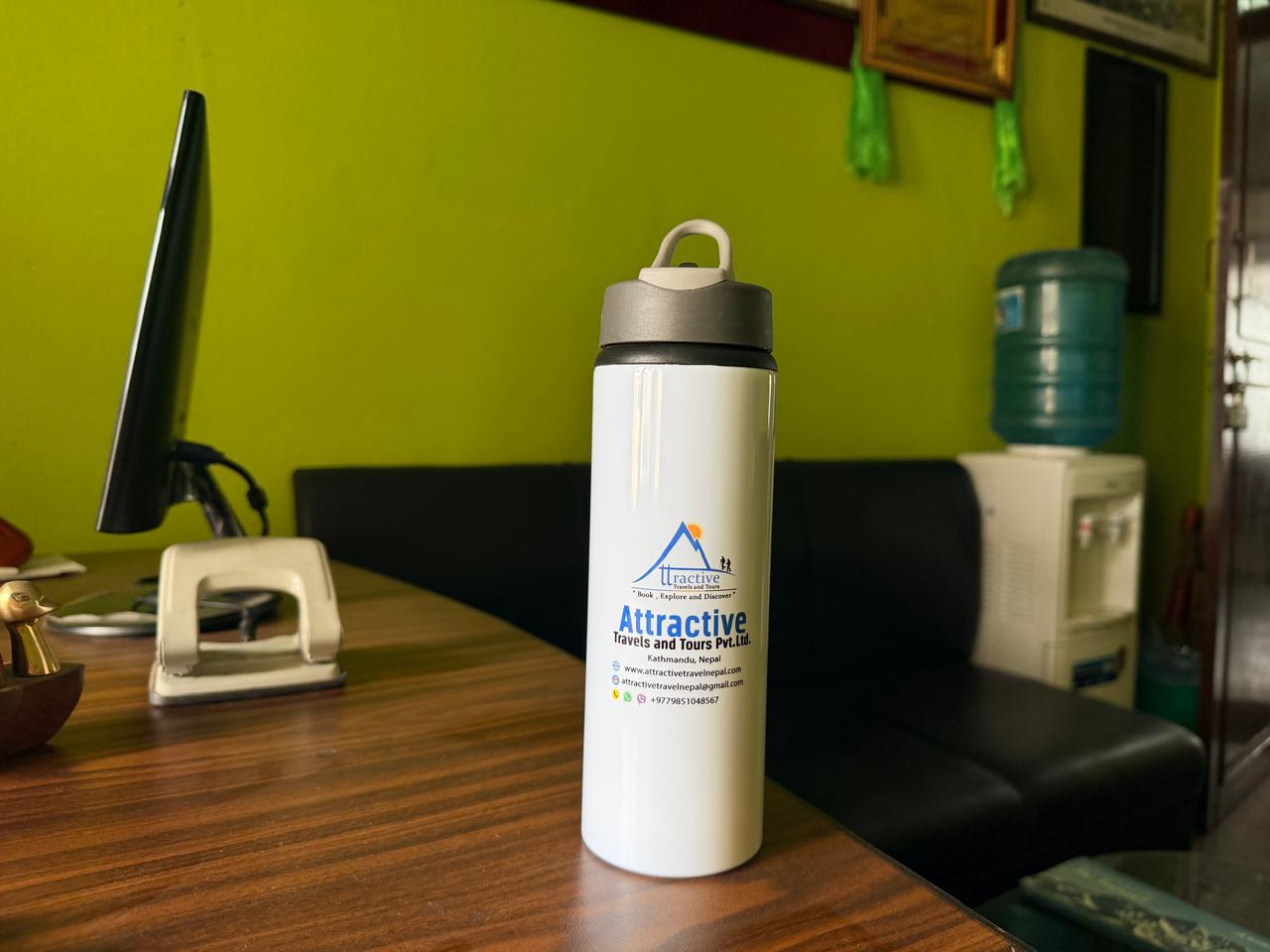
Drinking Water
To sum up, keeping hydrated safely ensures you enjoy every moment of your journey from city sights to Himalayan passes. Because proper preparation ensures a smooth trip, explore our Kathmandu Day Tour Packages or check out our popular 7 Days Nepal Tour.
Consequently, if you have any travel or trekking questions, contact our team via WhatsApp (+977 9851048567) or email us at attractivetravelnepal@gmail.com today!