Nepal has always been famous for its tall mountains, old temples, and rich culture. However, all this is going to make the country even more attractive to the world in 2026 and 2027. Better infrastructure, connectivity, increased luxury travel choices, and many more experiences make Nepal the next travel destination.
From hiking on trails in the mountains, visiting historical heritage sites dating back centuries, sighting rare species of animals, to simply admiring the beauty of the landscape, Nepal has incredible things to offer you without costing you much as compared to other places in the world.
Nepal, with its blend of adventure, culture, comfort, and authenticity, should be at the forefront of anyone’s travel list.
The improved transport and connectivity increased the ease of travel to Nepal. Travelling to the major tourist attractions of the country has become more convenient and comfortable now.
The tourism industry in Nepal is still growing, with better connectivity with the rest of the world. Tribhuvan International Airport in Kathmandu is the main airport of the country.
In contrast, there are enhanced options of regional connectivity through Gautam Buddha International Airport, Bhairahawa, and Pokhara International Airport.
Nepal is now more easily connected to other major cities of Asia and the Middle East, with more airlines than ever. Nepal, the next travel destination, is accessible to travelers from Dubai, Doha, Bangkok, Singapore, Delhi, Kuala Lumpur, and more from international locations.
Highway infrastructure and regional road networks have been successfully developed and improved, enabling good access within Nepal.
Routes between important tourist destinations like Kathmandu, Pokhara, Chitwan, and Lumbini are getting improved and faster in order to have a better comfort level, along with less travel time.
Though mountain roads still have difficulties because of the geographical challenges of Nepal, there are lots of projects going on to make various trekking areas and remote areas accessible.
Most of the foreigners find it quite easy to get a visa in Nepal. Visas may be obtained upon arrival at Tribhuvan International Airport or at certain land border crossings by citizens of a number of countries.
It is simple to apply for, and can be used for a variety of visas depending on when the person is travelling. Another aspect that has been made easy through the online pre-arrival forms is the entry procedure, which means that visitors can embark on their journey to Nepal, the next travel destination.
Plan your Nepal adventure with Attractive Travels. Enjoy private tours, trekking, sightseeing, and reliable transport for a memorable trip.
No matter how experienced you are or your style of travel, Nepal has a trekking adventure for you. If you’re up for a few days or several weeks, you’re sure to find a trail for you.
Not all visitors can spend a few weeks on their trek. But, in Nepal, the next travel destination, there are also a number of shorter trekking routes that can be done in a few days.
Popular trails around Pokhara and in the Kathmandu Valley offer fantastic views of the mountains, into the traditional villages, and enjoyment of strenuous hikes without spending long days in preparation or on lengthy trips.
Everest view trek is the best option for those who wish to see the world’s highest mountain without going for any challenging trek.
Spread over several days, this tour offers spectacular views of the Himalayas and Mount Everest, as well as a stay in comfortable lodges. The hike is easily accessible to various levels of fitness and is a plausible experience of the Everest region.
There is a growing number of trekkers who have come to appreciate the Gokyo valley for its unique landscapes and also for its reduced crowds. The trail goes through breathtaking turquoise colored glacial lakes. It will also provide panoramic views of Everest, Cho Oyu, and other summits.
Gokyo is one of the preferred locations to go hiking in the mountainous region of Nepal, as it is known for its spectacular scenery.
The discovery of culture is another focus in some trekking routes besides the mountains. Heritage trips allow visitors to visit the traditional settlements, interact with the locals, and learn about their traditions, which have been followed for many years.
These trekking routes offer an understanding of the rich culture of Nepal along with the beautiful nature.
Today, people can enjoy the natural beauties of Nepal without compromising on their comforts and convenience. This becomes possible due to the premium travel sector of the country, which offers adventure, luxury, and customization.
Nepal is no longer only for backpackers or adventurers. Endemic lodges are growing by leaps and bounds along major trekking routes and tourist hotspots.
This experience includes a luxury stay at high-end lodges, hiring a private guide, as well as comfortable transport, excellent food, and even the personal services themselves are a kind of combination of adventure and comfort.
If you have a tight schedule, then you can visit Nepal’s dramatic landscapes using a helicopter. The flights include great panoramic views of the Himalayan mountains, valley regions, and popular landmarks. Helicopter offers Everest sightseeing flights, Mountain Breakfast Tours, and visits to remote locations.
For tourists who have a very limited period of stay in Nepal, there are numerous places that they could visit. Through the tour programs, travelers will be able to explore historical places, cultural places, markets, and other beautiful scenery without traveling much.
The tours are perfect for business people, families, and visitors with shorter itineraries.
Nepal’s history is not just in museums and monuments. Traditions from the past still flourish in the day-to-day lives of people, establishing a special tie between the past and the present.
The Kathmandu Valley holds a total of seven monument zones inscribed on the World Heritage List. It is representative of the rich history and architecture of Nepal.
Ancient palaces, temples of the Hindus, stupas of the Buddhists, and courtyards are some of the ways through which travelers can get an insight into the past, as they still stand as religious and cultural centers. Kathmandu Durbar Square, Patan Durbar Square, Bhaktapur Durbar Square, Swayambhunath, and Boudhanath are some of the interesting places to visit.
Lumbini is of great importance because Siddhartha Gautama, the Buddha, was born there. The pilgrimage and the travellers from around the globe visit this sacred place to explore the monasteries, the meditation areas, archaeological remains, and the peaceful gardens.
While Nepal is famous for its monuments, there are so many other aspects that are waiting to be explored. The people and the cultures in Nepal are as rich in variety as the monuments.
The visitors can experience various festivals, religious ceremonies, visit the artisans’ settlements, and experience the lifestyle of cities and villages alike.
Nepal is known for its mountains, but it can’t be denied that its forests, wetlands, and national parks are equally impressive. The nation is a great place to see wildlife in their natural habitat.
Nepal offers diversity beyond what can be found in the mountains. Chitwan National Park has become one of the most successful conservation areas in South Asia and a prime area for wildlife viewing.
One-horned rhino, deer, crocodiles, monkeys, and over a hundred varieties of birds can be seen on the safari. But if one is lucky, one will even be able to spot the elusive Bengal Tiger.
Bardia National Park has slightly fewer crowds and is less touristic than Chitwan, providing one with a more exclusive chance to see wildlife in its natural surroundings.
The national park is known for watching tigers, elephants, the river, and the real wilderness. Being so far away, it is attractive to those who love nature and want to dive deeper into the Nepalese wilderness.
Located in eastern Nepal, Koshi Tappu Wildlife Reserve is a paradise for birdwatchers. It is one of the best bird habitats in the country; hundreds of bird species more or less migrate through the reserve and spend their winters there.
Wild water buffalo, dolphins, and several other species of wildlife can be seen by the visitor.
The choice of season can greatly influence your vacation experience. Throughout the year, Nepal has something special for each and every person and every activity.
The most popular time to trek in Nepal is the spring (March-May) and autumn (September-November) season.
Rhododendron forests bloom in the springtime, and pleasant temperatures are enjoyed, whilst on the other hand, autumn has a beautiful blue sky and great mountain views. The seasons are prime for a lot of outdoor activities.
The winter or monsoon seasons can present some special benefits. People visit fewer and fewer places, and rooms are easier to book; many places are more relaxed.
The months are generally good for travel unless the weather is bad, in which case they are particularly rewarding for those who don’t care for noisy experiences.
Nepal’s people are one of the biggest assets of the country. Visitors frequently depart with lasting memories of a time spent making valuable connections with locals, as well as with the nation’s landscapes and landmarks.
Respect for visitors is one of the unwritten rules of visiting Nepal. Many communities around the country still have the philosophy “Atithi Devo Bhava,” the Guest Is God.
Local people are often helpful and hospitable, and visitors often feel a personal connection with them, rather than a transactional one.
Nepal’s people are so much a part of the memories of many travelers that they remember them beside the mountains. What’s more, the country is known for its great hospitality, exemplified by welcoming guests into family-run lodges and offering directions around the village.
These little things can make a big impression that sticks with you long after a time.
Nepal is all about adventure and has something in store for every type of hiker, from backpackers to families and high-end experiences for luxury tourists. This affordability enables guests to experience a variety of activities without overspending their budgets.
One of the things that Nepal has to offer is that it can soak up visitors of all price points. Teahouses are available in most of the prime tourist destinations, ranging from cheap to medium-priced, boutique, and luxury establishments.
This flexibility gives visitors the opportunity to plan their travel according to their requirements and budgets.
Visitors can tour the amazing terrain, culture, cuisine, and activities of Nepal without the travel price tags of many other countries around the globe.
Transportation, accommodation, food, and other related charges do not come at a high cost, which makes Nepal an affordable travel destination.
Choosing the right travel agent may add more convenience and security to your trip to Nepal. We at Attractive Travel and Tours are committed to providing the most enjoyable services and best traveling experiences that our clients look for.
Having years of expertise behind us, Attractive Travel and Tours will always be ready to assist travelers in making the most out of their stay in Nepal. Travel advice is offered to tourists on both popular and unexplored destinations within the nation.
Attractive Tours and Travels makes sure that there are no hidden costs involved, and travelers know what they are going to get with their travel package. Information about the trips is clear, and prices are known in advance.
Travel plans can be arranged based on personal interests such as exploring exciting trails, observing wildlife, undertaking a spiritual journey, taking a family trip, or even a photographic tour.
Support is ensured throughout the journey, from start to finish, providing a pleasant travel experience for the duration of the journey.
Today, Nepal, the next travel destination, is still developing and retaining its distinctive cultural traditions, landscapes, and richness. Nepal offers more opportunities to explore in the near future, thanks to its improved accessibility, the abundance of trekking routes, luxury travel options, thrilling wildlife, and a rich cultural heritage.
From trekking through the mountains to religious experience, wildlife interaction, and social bonding, it is difficult to find such an experience elsewhere around the globe. Nepal makes the perfect place for people who are looking for a combination of natural beauty, culture, and value.
Absolutely, the blend of the Himalayas, cultural heritage, wildlife, and the ability to travel at economy rates make Nepal what it is. 2026 is a great year to visit, as services to tourists and infrastructure are improving.
Yes, Nepal is seen as a country that is safe enough to be visited by travelers. There are numerous trekking trails, cities, tourist destinations, and very hospitable people.
Most tourists coming from abroad, such as the USA, UK, Australia, and even major parts of Europe and Asia, require a visa to come into Nepal (which is usually available on arrival). In contrast, citizens of India do not require one.
Nepal is still one of the cheapest countries in Asia for travelers in Nepal Tours. There are budget teahouses, local restaurants, as well as luxurious hotels and travel options available depending on the budgets of the visitors.
Yes, it is normal that the tourists combine their trips via trekking adventure in the Himalayas with a wildlife safari in Chitwan, Bardia, or even a heritage trip in Kathmandu valley or Lumbini.
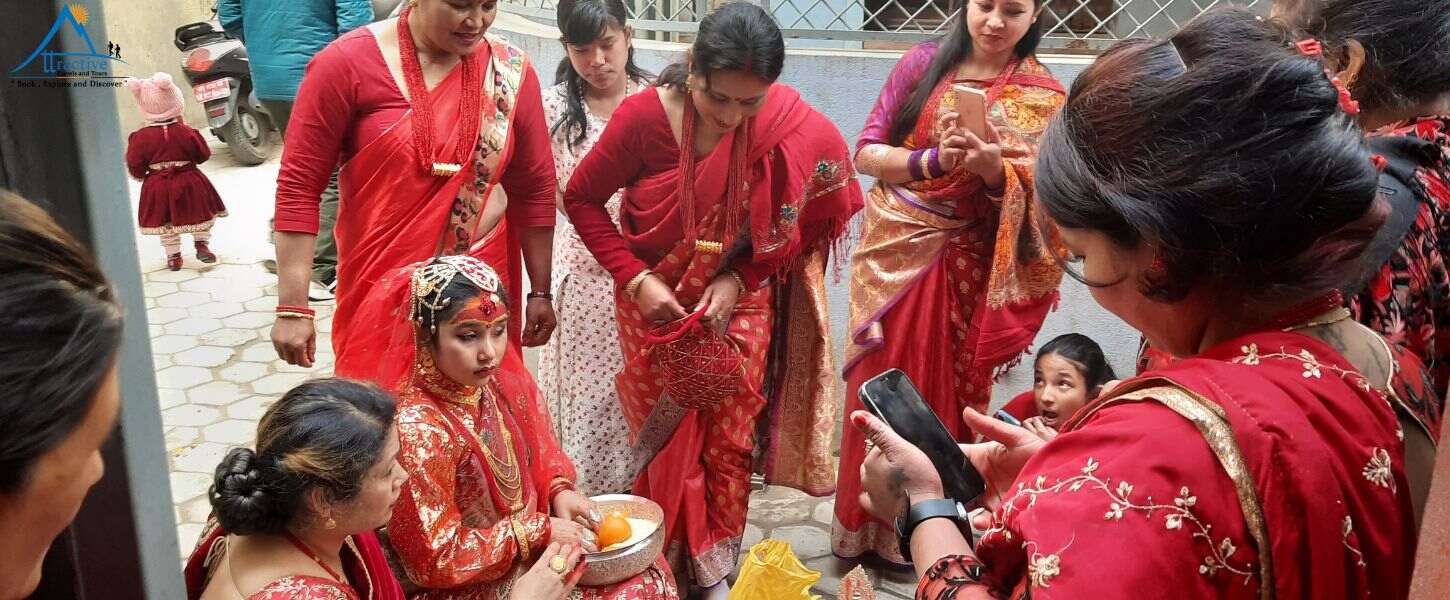
There is no place on Earth with more interesting religious rituals than Nepal, the homeland of the living goddess. ‘Kumari’ is a young girl who is considered to be the incarnation of divine female energy and who is highly respected by thousands of devotees throughout Nepal.
Unlike statues and icons that were utilized for worship in the temples, the Kumari is a young woman chosen by God for worship, and she participates in various religious ceremonies. It is no wonder that the ritual has always fascinated not only the worshippers but also the researchers and visitors for many centuries.
There is also an interesting story behind the phenomenon of the Living Goddess, involving the legends from ancient times, religious ceremonies, customs, and even modern-day disputes.
From the time the little girl was picked up to the challenges she has to overcome after returning to normal life, the Kumari ritual is an intriguing aspect of Nepalese culture.
The term ‘Kumari’ originates from the Sanskrit language and usually signifies either a virgin or a young girl. On the other hand, Kumari in Nepal symbolizes a prepubescent girl worshipped as the living manifestation of the goddess Taleju.
Ready to discover Kathmandu’s sacred sites? Send an inquiry today.
There exist several legends about the origins of this unique practice, including the one regarding King Jaya Prakash Malla of Kathmandu and the Taleju goddess.
According to tradition, the goddess used to come to visit the king at night and play the traditional game called Tripasa in order to give royal guidance to the king on issues relating to the kingdom. However, this was supposed to be completely secret.
One night, when the king’s wife discovered the secret meeting and entered the chamber, Taleju disappeared, feeling betrayed.
While leaving, she gave instructions to the king that if he wanted to keep getting her blessings, he had to find her in the form of a young girl from the Shakya community.
Although there are still some doubts as to its origins, the tradition was fully established during the Malla dynasty. The Malla kings are known for playing an important part in creating the ceremonies surrounding the tradition.
The tradition gained great strength during the rule of King Jaya Prakash Malla, who then built the famous Kumari Ghar in Kathmandu Durbar Square in 1757. The Kumari Ghar now houses the Royal Kumari and is one of the symbols of Kathmandu culture.
Among the unique things about the Kumari is the fact that both Hindus and Buddhists worship her. In the case of Hindus, they view the Kumari as a living manifestation of ‘Taleju Bhawani’, which is one of the many forms of Goddess Durga.
On the other hand, Buddhists perceive her as ‘Vajradevi’, one of the most divine female goddesses.
Among the unique customs in Nepal, one is that of choosing a new Kumari. The selection starts as soon as the current Kumari has attained the age of puberty, loses too much blood, or cannot proceed with her duties anymore.
When the need for one comes up, the senior priest, astrologers, and religious authorities initiate the process for finding a new Kumari, using the same ancient traditions used to choose the right girl.
Not every child is eligible to be a Kumari.
Children must be from the Shakya community, a Buddhist family that has roots in the tradition. Background information on the family is reviewed to confirm that they are eligible.
Girls are usually chosen when they are quite young, from two to six years old.
One of the most well-known features in the selection process is evaluating individuals for the Battis Lakshanas, which are known as the 32 sacred perfections. It includes:
Religious authorities analyze the horoscope of the candidate against certain astrological criteria. A positive outcome suggests that the child will be spiritually suited for the role of God incarnate that she is going to be.
In the test, the candidates must be able to recognize those objects that belong to the previous Kumari.
This ritual aims at determining whether there exists any spiritual connection between the two Kumaris and, hence, a transfer of divinity.
Possibly the most well-known stage in the selection process is that of the Kalratri or Black Night ceremony.
Traditionally, the candidates are put through a very tough experience meant to test how fearless and calm they are. The reason for this is that it is believed that only the true incarnation of the goddess will not be frightened by anything.
This ceremony is possibly the most widely talked about and controversial element of the Kumari custom.
Once the candidate has been selected, priests conduct ritualistic ceremonies to confirm and establish the girl as the newly elected Living Goddess.
The Living Goddess is taken to the Kumari Ghar, from then on starting the life of the most sacred deity of Nepal.
Life as the Living Goddess of Nepal is both sacred and highly ritualized. Traditions that have been followed for hundreds of years have formed the basis of this role, which is focused on the Kumari system.
The chosen child, the Kumari, symbolizes the divine power in human form and is highly regarded by her devotees. The majority of her time is dedicated to the performance of various rituals in the historic building called the Kumari Ghar.
While the Kumari remains within the Kumari Ghar for the majority of her time, she is actively involved in some of the most important festivals in Nepal.
Indra Jatra is the most important festival related to the Kumari.
During this festival, the Royal Kumari exits the Kumari Ghar and participates in a procession on a chariot through Kathmandu. Many people gather to get this sight and seek blessings from the Living Goddess.
Traditionally, the kings of Nepal have been blessed by the Kumari on this day. Now that there is no monarchy in Nepal, the President of Nepal receives this blessing.
Dashain is another big festival linked to the Kumari.
The festival involves worship of the Kumari by linking her to Goddess Durga. Some other rituals at the Taleju Temple, which remains inaccessible to everyone else, are performed for her during the festival period.
According to many devotees, the Kumari delivers divine messages through her expressions and actions.
The period during which a Living Goddess reigns as a Kumari does not go on forever. According to legend, the goddess Taleju remains inside the body of the Living Goddess only until she attains the age of puberty.
The first menstrual period is taken to be a clear indication of the leaving of the divine presence from the body of the Living Goddess, thus ending her reign as the Living Goddess. The loss of considerable amounts of blood due to a wound or sickness could also be viewed in the same manner.
Once this occurs, the search for a new Kumari begins, and the former Living Goddess returns to ordinary life.
This myth has been responsible for years of fear and insecurity among those who were once known as living goddesses. Because of this myth, many thought that it would be extremely hard for them to get married.
But throughout history, it became obvious that superstition had nothing to do with reality, since lots of former Kumaris have gotten married, had kids, and led normal lives.
In the meantime, the myth is becoming less popular but is widely known as one of the Kumari legends.
|
Name |
Timeline | Tenure Period |
Context |
| Hira Maiya Shakya | 1922 – 1923 |
1 |
Earliest reliably recorded Royal Kumari of Kathmandu |
| Chini Shova Shakya | 1923 – 1931 |
8 |
Longest pre-WWII tenure; survived to marry (2 daughters) |
| Chandra Devi Shakya | 1931 – 1933 |
2 |
Married and raised two daughters |
| Dil Kumari Shakya | 1933 – 1942 |
9 |
Served through the WWII era; married, had 3 children |
| Nani Shova Shakya | 1942 – 1949 |
7 |
Married; 6 children — dispelling the marriage death myth |
| Kayo Mayju Shakya | 1949 – 1955 |
6 |
Married and had two children |
| Harsha Lakshmi Shakya | 1955 – 1961 |
6 |
Felicitated by KMC in 2015 for cultural contribution |
| Nani Mayju Shakya | 1961 – 1969 |
8 |
Served 8 years, married, had 3 children |
| Sunina Shakya | 1969 – 1978 |
9 |
Felicitated by KMC 2015; married, had 2 children |
| Anita Shakya | 1978 – 1984 |
6 |
Felicitated by KMC 2015; served through political transition to democracy |
| Rashmila Shakya | 1984 – 1991 |
7 |
Selected at age 4, Authored ‘From Goddess to Mortal’ (2005/2012) |
| Amita Shakya | 1991 – 2001 |
10 |
Longest-serving Royal Kumari of the modern democratic era (pre-republic). |
| Preeti Shakya | 2001 – 2008 |
7 |
Enthroned just days after the royal massacre of June 1, 2001. |
| Matina Shakya | 2008 – 2017 |
9 |
First Royal Kumari of the Federal Democratic Republic of Nepal. |
| Trishna Shakya | 2017 – 2025 |
8 |
Selected Sept 27, 2017 at age 3. Served 8 years. Succeeded Sept 2025 |
| Aryatara Shakya | 2025 – present |
– |
Selected Sept 30, 2025 at age 2 years 8 months. Current Royal Kumari |
Chosen as Patan’s Kumari in 1954 when she was still very young, she remained as Kumari for decades. Being quite different from other Kumaris, who were replaced due to reaching puberty, this case involves an especially prolonged period of worship.
Despite the fact that she was eventually replaced, some devotees have never stopped worshipping her. In terms of Kumari history, this particular case has gained much popularity among experts.
This case can be seen as a perfect example showing how significant this role can be, both spiritually and personally.
Among the major issues surrounding the tradition is that fewer girls come forward to take up the role. In some communities, not as many families are willing to offer their daughters to be chosen as before.
On the other hand, the majority of the population agrees that the living goddess tradition is worth preserving, since it holds special importance to the culture of Nepal.
Such disagreements have sparked a debate about how the tradition should change with the times, without losing its spiritual and cultural value. Various reforms in terms of education, money, and social integration have been proposed, and further modifications are expected to occur in the future.
The Kumari ritual is still one of the most exceptional rituals in Nepalese culture and tradition. From her mythic origin during the time of the Mallas up to her selection process and her current annual festivals, the Living Goddess is undoubtedly one of a kind in Nepalese society.
To some, the Kumari is a powerful manifestation of divine force. Unlike everyone else, she is an incarnation of the rich and proud cultural heritage that the country still succeeds in preserving despite the rapid pace of the modern era.
Regardless of the approach taken, the history of Nepal’s Living Goddess will never stop being intriguing.
From mountain trails to cultural landmarks, our expert guides make every journey special. Contact us and start your adventure today.
Kumari is the term used to refer to the prepubescent girls of Nepal worshipped as a living incarnation of the goddess.
A Kumari is selected at an age of around 2-6 years. Certain conditions have to be fulfilled to be selected as a Kumari.
Dhana Kumari Bajracharya is often mentioned when it comes to Kumari, who had been serving their role for too long due to not experiencing any menstrual period during her tenure.
Crying is a big sign that is often associated with the prediction of misfortune or other problems.
Due to the significance and importance of the position of Kumari, walking is not considered ideal. So, a chariot is brought for Kumari in public processions.
Kathmandu Valley is like a living museum. It has lots of history, culture, and faith. There are 7 UNESCO World Heritage sites in the valley. Among these are the old temples, royal palaces, and religious stupas. These not only illustrate that there is much of Nepalese history but also convey information. All of these sites would tell you an art, belief, and history story.
Here are some sites that will help you to know more about Nepal. Some sites, such as Swayambhunath stupa or Pashupati temple, remain active even today. Local people visit here on a daily basis to pray and conduct rituals.
In this guide, we are going to guide you on how to plan a meaningful and memorable tour in Kathmandu Valley with 7 must-visit UNESCO World Heritage sites.
One of the most historic places in Nepal is Kathmandu Durbar Square. It is situated in the centre of Kathmandu city. It is the royal palace of the king of Malla and the Shah dynasty in olden days. It is now an important cultural, historical, and architectural landmark.
The square is full of ancient temples, courtyards, and statues. These are demonstrations of the beautiful art of the Newari artists. One of the major attractions is a house, or Kumari Ghar, where the living goddess, Kumari, resides. Sometimes, visitors can see her when she appears during special events.
In 2015, some buildings were destroyed by the earthquake. Numerous ones have been restored, and the square is still evidence of its rich history. When walking here, it feels like taking a step back in time. It is a location that is a must-visit when exploring the Kathmandu Valley.
Located in the city of Lalitpur, Patan Durbar Square is known for its beautiful architecture and rich artistic heritage. It is one of the best preserved royal squares in the Kathmandu Valley and is renowned for its elaborate wood carvings, stone sculptures, and metal work.
Many temples and courtyards can be found in the square, such as the beautiful Krishna mandir, which is made of stone. The Patan Museum is also a popular attraction, showcasing traditional Nepali art and history.
Patan is less crowded and more peaceful than Kathmandu Durbar Square, which is great for those who prefer to take their time and explore at a leisurely pace. It is an artistic beauty and a cultural landmark and is a UNESCO site to visit.
Bhaktapur Durbar Square is regarded as the best-preserved royal square in the Kathmandu Valley. It is a place where one can experience the authentic Newari culture and traditional architecture, which is a glimpse of medieval Nepal.
The square is home to beautiful buildings such as the 55-window palace, Nyatapola Temple, and Golden Gate, which are decorated with elaborate woodwork and craftsmanship. The narrow streets of Bhaktapur are a step back in time, and the local artisans, pottery squares, and traditional houses all contribute to the charm.
Bhaktapur is a more relaxed and cultural environment, with fewer crowds and more opportunities to explore the history, art, and culture of the area, making it an ideal destination for those seeking a more authentic experience.
Swayambhunath Stupa (Monkey Temple) is one of the oldest and most sacred sites in Nepal. It is located at the top of a hill with a panoramic view of Kathmandu Valley and a serene spiritual ambiance.
It is characterized by its white dome and golden spire, and the eyes of Buddha are all-seeing, looking in every direction. The visitors have to walk up a long staircase to reach the top and are greeted by prayer flags, spinning wheels, and the playful monkeys.
Swayambhunath is a place of great significance to both Buddhists and Hindus. A symbol of religious harmony in Nepal. It is a UNESCO World Heritage Site due to its historical, spiritual, and scenic value.
Boudhanath stupa is one of the largest stupas in the world, and one of the main centers of Tibetan Buddhism in Nepal. The huge white dome and gold spire with Buddha’s eyes on it give a strong spiritual impression.
There are monasteries, prayer wheels, and shops around the stupa, creating a serene yet vibrant ambiance. People tend to walk around the stupa clockwise, spinning prayer wheels and enjoying the peaceful atmosphere.
Early morning and early evening are particularly lively at Boudhanath when people and monks come to pray. It is an ideal location to enjoy the Buddhist culture, meditation, and spiritual life in Kathmandu.
Pashupatinath Temple is a Hindu temple dedicated to lord shiva and one of the most sacred temples in the world. It is situated on the banks of the Bagmati River and is a significant pilgrimage destination for the Hindus of Nepal and India.
The pagoda-style architecture, the golden roof, and the detailed wood carvings are the features that make the temple complex famous. Visitors may visit the surrounding area, including small temples, ashrams, and ghats, but only Hindus are permitted to enter the main temple.
One of the most unique aspects of Pashupatinath is the cremation rituals performed along the riverbanks, offering a deep insight into Hindu traditions and beliefs about life and death.
It’s only a religious place of worship, but it’s also a cultural and spiritual landmark and a must-visit destination in Kathmandu.
Changunarayan temple is believed to be the oldest Hindu temple in Nepal, built in the 4th century. It is dedicated to lord vishnu and is famous for its historical significance and intricate stone and wood carvings.
The temple is situated on a hilltop, close to Bhaktapur, which is a quiet place away from the bustling city. The complex is home to a number of ancient statues, inscriptions, and artworks that showcase the early history and artistry of Nepal.
Changunarayan is not just a religious place, but also an archaeological site of great importance. It is a very special place in the UNESCO World Heritage Sites of Kathmandu Valley due to its quiet ambiance and cultural richness.
It is appropriate to tour around the different UNESCO world heritage sites in Kathmandu during the spring season (March to May) and fall (September to November) as the weather is relatively mild and clear skies with moderate temperature prevail. Touring these sites in such seasons would be easy and enjoyable.
The historic sites, including Boudhanath Stupa and Patan Durbar Square in Kathmandu, during such seasons will be ideal to tour without much fear of extreme heat and rain.
The other good times would be winter (December to February), where cold weather may be expected, as well as the presence of few people. It would not be appropriate to visit during the summer months (June to August) since it rains a lot during this period.
For one who wants to appreciate the culture of the region, he/she can tour during festivals such as Dashain and Tihar.
The 7 UNESCO World Heritage sites in Kathmandu Valley reflect the rich history, culture, and spirituality of Nepal. Ancient art, culture, and royal history are exhibited in places such as Kathmandu Durbar Square and Bhaktapur Durbar Square. Nepal’s spiritual heritage is evident in sacred sites such as Pashupatinath Temple and Swayambhunath Stupa.
These sites are more than just sightseeing. It is an opportunity to taste the local culture, religion, and traditions that have been in existence for hundreds of years. These heritage sites make memories that will last a lifetime, whether you’re a history buff, a spiritual person, or a traveler.
These UNESCO sites can be a part of the best experience of Nepal with proper planning.
In Kathmandu Valley, there are seven UNESCO World Heritage sites, such as temples, stupas, and ancient royal squares.
Pashupatinath Temple, Swayambhunath Stupa, and Boudhanath Stupa are some of the most popular sites.
The optimal time to visit is in spring (March-May) and autumn (September -November) when the weather is nice and clear for sightseeing.
Yes, foreign visitors do pay an entry fee to most UNESCO sites in Kathmandu to help maintain and preserve the sites.
It is more advisable to visit them over 2-3 days so that you can enjoy each site without rushing.
While some locations, such as Kathmandu, Patan, and Bhaktapur durbar squares, are relatively close to each other, you may need to travel for a short distance between locations.
Generally, photography is permitted in most places, but in some temples it may be prohibited, particularly in the sacred areas.
The Everest Base Camp trek is a dream journey for adventure travelers and nature enthusiasts worldwide. It is a lifetime experience because of the beautiful views of Mount Everest, which is the highest point in the world. Nonetheless, you must know how much your trek actually costs before you begin planning it.
Most individuals believe that Everest Base Camp trek is a costly adventure, and the reality is that it may be so depending on the nature of trek packages you choose, season, and your preferences. The prices will be different, whether you’re a low-end traveler or someone who wants to spend a bit more.
This guide will break down the cost of trekking to Everest Base Camp in 2026, including all aspects of permits, flights, guides, food, accommodation, and miscellaneous costs. Knowing the overall cost, you would be able to pack your trek better, and there would be no unexpected costs on the way.
The Everest Base Camp Trek is among the most popular and well-known treks around the world. Located in the Khumbu region of Nepal, this trek takes you through incredible landscapes and Sherpa villages to Buddhist monasteries and, the ultimate location, up at the base of the tallest mountain in the world, Mount Everest.
The trek usually begins with a flight from Kathmandu to Lukla small air strip at the bottom of a mountain. From there, you would trek through the beautiful villages of Namche Bazaar, Tengboche, and ultimately reach Everest Base Camp. The journey covers a distance of about long equal to 130 kilometers (81 miles).
The trek takes around 12 to 14 days. This includes plenty of time for acclimatization to ensure that you are safe and enjoy the trek without having altitude sickness.
The best times for the Everest Base Camp trek would be during the Spring seasons (March to May) and the autumn (September to November). These seasons have clear skies and mild temperatures and it is also the best time to trek.
When you plan your Everest Base Camp trek, it is important to divide the expenses into various sectors. This way, you can have a better knowledge of where your money will go. So let’s see how many expenses you’ll have to deal with.
Before you even start your trek, there are some official fees you will have to pay:
The route to Everest Base Camp starts with flights from Kathmandu to Lukla. Below is a breakdown of the costs of transportation:
Having a guide and a porter is not mandatory but may make your trek much more fun and easy.
Along your trek, you will stay in teahouses (basic lodges) on the way too. The cost of accommodation varies according to the location and season.
Food is available along the trekking route but it has different prices depending on where you are.
Having the correct gear is very important to a safe and comfortable trek. A few essential things are mentioned below:
Travel insurance is an essential requirement for any trek, and of course in the Himalayas.
Trekking to Everest base camp can be an expensive adventure. There are plenty of ways you can save some cash without compromising the quality of your experience. Here are some employable tips in any event to help you save money on your 2026 trek:
Flight prices from Kathmandu to Lukla may vary so you may be able to get a better deal the earlier you book your flights. The same applies to the hiring of a guide or a porter. It is best to book in advance to be sure of going, or it might potentially work along with discounts.
While booking a trek through an international agency would sound like a safe trek route option, venturing with a local trekking agency can save you a great amount of money. Local agencies tend to provide the same level of service but at a much lower cost due to their lower money spent overhead costs.
If you’re traveling with a group or can join up with other trekkers, you can share the expenses of hiring a porter and guide. This is a common practice on the EBC trek and helps significantly to reduce individual costs.
The peak trekking season in Nepal (Spring and Autumn) may increase the accommodation and food prices due to the high demand. Trekking in the off-season (such as in late winter or early monsoon) can help you save on overall spending, but you should be ready for possible challenges related to the weather.
Accommodation prices can be very high in premium lodges or during peak season. If you’re on a saving spree, then option for budget prevailing teahouses on the route. They’re simple but comfortable, and you will be able to find decent meals for affordable prices.
While there will be available food all along the trail, prices charged for snacks and drinks can add up. Consider taking your own energy bars, nuts and other high-energy snacks for the trek. These are often available at Kathmandu, and then when you go to Lukla.
If you don’t have all of the equipment that you need for trekking, you should consider renting equipment in Kathmandu, rather than buying any. Renting gear such as sleeping bags, down jackets, and trekking poles can save you a great deal of money as compared to buying these items.
While it is tempting to indulge in hot showers, Wi-Fi or luxury rooms offered in villages at higher altitudes, its extra luxuries can easily add up. Stick to basic accommodations and meals along the way to keep your costs low.
Trekking to Everest Base Camp is truly an unforgettable experience and a once-in-a-lifetime chance to explore the stunning mountain of the world and dive into the rich culture and natural beauty of Nepal. However, knowing the real cost of the trek is important to help plan your trek and to ensure that you stay within your budget.
In this section, we have the answers to some common questions related to the cost of trekking to Everest Base Camp in 2026 asked by trekkers. These frequently asked questions will help determine some of the concerns that you may have.
The cost of trekking to Everest Base Camp varies greatly, depending on your mode of travel. While the trek can be costly in terms of flights, permits and accommodation, it is possible to trek on a budget or go for a luxury trek based on one’s preferences.
The Lukla flight is one of the most expensive components of the trek, as a result of the remote location and high altitude landing. The Tenzing-Hillary Airport in Lukla lies in a mountainous region and the flights are usually small and there are a limited number of airlines.
Additionally, the weather conditions and the need for skilled pilots add to the overall cost.
Yes, you can trek to Everest Base Camp without a guide, but it is not recommended except for people with experience of trekking in high altitudes. Solo trekking without a guide or porter can be risky as altitude sickness is a possibility.
There is no support in the remote areas due to the difficult terrain. Many trekkers choose to hire a guide and/or a porter for safety, general direction and cultural understanding.
A guide and porter are not required, though highly recommended, especially to those who are new to trekking at high altitudes. A guide will assist you in navigating around the route, give advice about safety and share their knowledge. A porter can assist you with the migration of your backpack so that you can concentrate on enjoying the trek. Hiring both can enhance your experience but it will add to your costs.
In addition to the TIMS card and Sagarmatha National Park permit, the trekkers may also require Khumbu Pasang Lhamu Rural Municipality permit for trekking in Khumbu region.
This type of permit usually costs between USD 20- USD 25. Make sure that you check with your trekking agency or the Nepal Tourism Board for any extra permits you need to take for your trek.
Food along the trail can get expensive, especially on a larger mileage at altitude. To save money, consider:
Yes, Everest Base Camp is generally considered to be safe for trekkers who are in good physical condition and who take the necessary precautions against the effects of altitude sickness.
So, always ensure that you have a slow and steady pace for your acclimatization, drink plenty of fluids, and rest when required. Make sure you have the travel insurance in place to cater to high altitude trek and emergency evacuation.
There are actually some kinds of trips that you don’t simply return from; you come back different. This is the importance of spiritual travel. This isn’t a great deal about taking in the sights and viewing the sights, locating interior calmness and learning about various opinions.
In Nepal, folks practice Hinduism as well as Buddhism. They do not exercise these religions independently. You may observe folks going on trips, monks practicing meditation and rituals that have been around for centuries.
In this particular overview, our experts will show you the best blessings that Nepal has, the knowledge that is actually essential, and how to plan your trip according to your spiritual journey.
Nepal is known throughout the world as a place. It is a nation where metaphysical heritages, historical opinions, as well as sacred places are an integral aspect of everyday life. This makes it an ideal place for religious traveling.
Right here are the main reasons why Nepal is among the very best destinations for religious visitors:
Nepal is the home of several sacred traditions and practices. Most notably Hinduism and Buddhism. It possesses countless holy places, stupas, and abbeys of hundreds to lots of years of age. People from many different nations see these sites to connect with their religious past as well as cultural practices.
Some of the absolute most crucial reasons for many people exploring Nepal for religious travel are Lumbini. The place of origin of Siddhartha Gautama Buddha, the creator of Buddhism. These spiritual sites draw Buddhists. As well as those who are interested in metaphysical concerns from all around the world that relate to meditation, as well as demonstrate.
Nepal’s culture is actually a mixture of Hindu and Buddhist customs that are blended comfortably and also pleasantly. Numerous metaphysical sites are common and are visited by all religious beliefs.
The sacred places as well as practices, Nepal has a serene natural environment, contrasting between the Himalayas and relaxing valleys, which help the visitors of the sites to reach inner peace and self-reflection. It is in gardens that the spiritual journey begins.
The guests might engage in meditation sessions, yoga exercise and mindfulness refuges. Through these individuals develop relaxation, as well as become even more in contact with on their own as well as custom.
Nepal boasts of numerous religious and spiritual sites, which have gained attention all over the world. They are places of reflection of the rich Nepalese religious customs in Hinduism and Buddhism. All the experiences of the average sightseers.
The Kathmandu Valley is the spiritual center of Nepal and some important religious sites are located in very close proximity.
Pashupatinath Temple
It is a very significant Hindu temple in Nepal dedicated to Lord Shiva. Nepal and other nations send pilgrims to worship and attend to the usual rites on the bank of the sacred Bagmati River.
Boudhanath Stupa
Boudhanath is one of the biggest stupas in the world and is a key Buddhist pilgrimage location. The prayer wheels, the colorful flags and the continuous chanting give the place a strong sensation of spiritual power.
Swayambhunath Stupa (Monkey Temple)
It is an ancient stupa located on a hill overlooking the valley, is important to both Buddhists and Hindus. Tourists frequently make circular walks around the stupa and view the city and the Himalayan foothills.
These are the UNESCO World Heritage sites that can be easily visited in a day or two in Kathmandu.
Buddhists regard Lumbini as one of the most holy sites in the world, since it is the birthplace of the Buddha, Siddhartha Gautama. The region comprises the old Maya Devi Temple, the serene gardens and several monasteries set up by nations across the globe. Pilgrims come to visit it and engage in spiritual study, quiet reflection, and pilgrimage.
Muktinath Temple is a rare pilgrimage in the Mustang region. It is sacred to both the Hindus and the Buddhists. Hindus believe it is a place of salvation and Buddhists refer to it as a place of meditation and prayer. The spirituality and serenity of the place are further contributed to by its elevated location in the middle of the Himalayas.
In nepal we find very many other sacred sites, which spiritual pilgrims should see:
The major part of spiritual traveling in Nepal involves visiting religious temples and spiritual places, a variety of other valuable experiences can allow you to get closer to your own self and the spiritual tradition of the nation.
There are different types of meditation retreats in tranquil environments where an individual can escape the pressures of the modern world to focus and work on their spiritual development. These retreats are designed to enable those who attend them to build mindfulness.
As an example, Vipassana Meditation Retreats in Nepal offer a self- awareness and mindfulness retreat, where the participants stay silent and immersive. These retreats are best quite to wishing to take time to learn more about themselves and spirituality.
Doing yoga is actually highly correlated with religious practices. Many yoga studios and also hideaway centers possess programs that stabilize the body, mind and heart. Nepal is actually where you can take pleasure in the best of both worlds as a novice or even a knowledgeable mystic as well as enjoy the natural elegance of the Himalayas.
Doing yoga retreats is often well-liked in Pokhara (stunning mountain views), Kathmandu, and also other solitary places. Ayurvedic treatments and also health cares are actually also delivered in a lot of yoga centers, which are going to allow tourists to certainly not simply strengthen their bodily and also frame of mind however likewise find the metaphysical traditions.
Nepal is a land of primitive religions, with a few shamanistic healers, as well as land related rituals. A lot of the tourists decide to participate in the old rituals or have an experience with the local shamans to know about the science of healing and energy and the strong spiritual bond the native population has with nature.
Those interested in these traditional spiritual techniques, there are people living in Rai and Limbu communities in the eastern hills of Nepal who offer people spiritual experiences that embrace curative rituals using local herbs and remedies made from nature. Through these rituals, visitors are able to learn the relationship between mind, body and nature.
Planning a spiritual journey in Nepal is an exciting experience and yet it requires some form of thinking and planning to ensure that you get the best out of the experience. The way you can organize your vacation in Nepal and experience a valuable and fulfilling spiritual experience.
The most appropriate seasons to visit Nepal on a spiritual trip are spring season, from March to May and the autumn, from September to November. These seasons have pleasant weather, no clouds and huge Himalayan views that make them best to visit temples, meditate and conduct spiritual events.
There are numerous religious events and spiritual celebrations in Nepal. These events attract locals and offer perfect tour experiences for tourists. Participation in these festivals will enable you to appreciate the spiritual culture of Nepal at a better level.
The greatest and longest Hindu festival in Nepal is Dashain. It is normally experienced during the month of September or October and it is estimated at 15 days. There is a meeting of families, decoration of temples, and blessing of people by the elderly. Dashain is a period of prayer, contemplation and quality time with people they love.
Tihar is actually likewise described as the event of lights, and it follows Dashain. It generally joins the month of October or Nov. Throughout Tihar, oil lamps are utilized, and there are colorful illuminations in the houses as well as holy places.
Different people adore different creatures, that consist of crows, dogs, and cows. They praise Laxmi as the deity of cash. The setting is actually serene and happy because of the lighting as well as the practices.
Buddha Jayanti refers to the festival of the birth, enlightenment of Buddha. It is usually during the month of April or May. This is a big occasion among the Buddhists.
On this day, many people visit stupas like Boudhanath and Swayambhunath, attend prayer sessions, and walk around the stupa while spinning prayer wheels as part of a spiritual practice believed to generate positive energy.
Nepal is land of spiritual value with olden days of traditions, holy places, and serene atmosphere. The rejuvenating factor to all the travelers visiting this land. Nepal is the place to be it to explore the rich Hindu and Buddhist heritage, seek some meditative and mindfulness or simply some tranquility in the Himalayas.
No, you do not need to be religious to visit spiritual places in Nepal. Although these sites are important in terms of their religious values. Temples and monasteries do not restrict visitors based on their religious beliefs.
Yes, most of the temples, as well as abbeys in Nepal are open to overseas site visitors. But there are actually regular places that you may not come to, like theological techniques or even revered regions.
Your spiritual journey in Nepal takes as long as you would like to spend the time there depending on the kind of experiences you might want to have. Visitors can explore the major spiritual sites in the Kathmandu Valley within 3–5 days.
Yes, spiritual travelers also plan their visits to Nepal according to major festivals like Dashain, Tihar, Buddha Jayanti, etc. These festivals provide spiritual travelers with profound experiences from a cultural and spiritual viewpoint.
Annapurna Base Camp (ABC) is one of the most iconic trekking destinations in Nepal, attracting adventure seekers from all over the world. Located in the middle of the Himalayas, the trek boasts spectacular views of the Annapurna range, including peaks such as Machapuchare, Dhaulagiri and Annapurna I.
The journey up to the base camp is a mix of lush rhododendron forest, quaint villages, and alpine landscapes, and ends with the luscious views from the Annapurna Base Camp itself at 4,130 meters (13,550 feet).
The trek is regarded as a relatively moderate adventure and is accessible to trekkers of varying experience levels. Whether you are a trekker with experience or a trekker new to high altitude trekking, ABC offers a well-defined route that offers a perfect balance of challenge and reward.
Understanding the costs associated with trekking to Annapurna Base Camp is important in order to plan a successful and stress-free trek. Trekking in Nepal, especially in popular destinations such as Annapurna, means it is necessary to budget for a range of factors that can really push the price of your trek up. These include permits, guide and porter fees, accommodation, food, gear and transportation costs.
The price of the trek can vary according to your needs, like the time of the year you go, if you’re trekking with or without a group, and how comfortable you want to be during the trek. Having knowledge of what the expected expenses would be beforehand helps you make plans, not be surprised, and also make sure that you have enough money in your pocket to fully enjoy the experience.
In this guide, we will demystify trail costs for you regarding sides below all sides best the Organisation for Spearman Annapurna Base Camp trek in pawsologies now in infinite 2026 will allow you to have a clear-cut meaning of what every trek stage of going to mean for you in my life. Whether you’re on a tight budget or planning a more luxurious experience, this blog will help you figure out the financial aspects of the trek and plan your adventure in the best possible way.
When planning your trek to Annapurna Base Camp, some factors will affect how much you’ll spend. Understanding these aspects will help to determine where you can save money and where it may be worth paying a little more for a more comfortable experience. Below is a breakdown of some of the major costs of the trek:
Before you start your trek, you’ll need two main permits:
You can choose to hire a guide or a porter to make your trek easier:
Along the way on the trek, you’ll stay in simple guesthouses known as teahouses. The cost for accommodation in these teahouses is around NPR 200-1000 per night (around USD 2-10). How much you will pay depends on where you are and how far up the mountain you go. As you go higher, the price will actually get higher.
Shared rooms are cheap, or you can also obtain a private room, but for a little more, about USD 10-15 per night.
Food along the trek is simple but good. You can expect to spend around NPR 500 – 800 (about USD 5-7) for a meal. Meals include such things as dal bhat (rice with lentils), noodles, momo (dumplings), and eggs.
On average, you may spend around USD 15-25 a day for food, depending on the number of meals per day and the food ordered.
For starting the trek, you’ll have to get to Pokhara, from where you’ll go to Nayapul, where the trek starts.
Having the right equipment is crucial for your safety and comfort on the Annapurna Base Camp trek, especially in the colder and higher altitudes. Basic things you’ll need are a sleeping bag, a warm jacket, shoes for trekking, and waterproof clothes.
If you don’t have the necessary gear, it’s a great idea to rent out your gear. Gear rental service in Pokhara charges around USD 5-10 per day for gear such as a jacket, trekking pole or sleeping bag.
If you would rather purchase your gear, be prepared to pay in the range of USD 50-150 for jackets, sleeping bags or trekking boots. When choosing whether you want to rent or buy, consider how often you will be trekking in the future and how comfortable you will be.
Travel insurance is important to cover any problems that could not be predicted. It can cost around USD 50-100 for a good policy which covers things like medical problems and emergency evacuation.
Trekking to Annapurna Base Camp is an amazing experience, but costs can really add up quickly if you’re not careful. With a few intelligent planning steps, you can keep your budget lower without risking your safety or comfort. Here are some common-sense tips.
If you trek with others, you can share the cost of guides, porters and transportation. Trekking companies can often charge less per person if there are more people in a group. This can save you a lot of money compared with going completely solo.
Flying between Kathmandu and Pokhara is very fast but much more expensive. If you have time, choose the tourist bus instead. It’s slower, but it is often only a fraction of the cost of a flight. Buses are dependable, and they allow you to enjoy more scenery on the way.
Tea houses along the trail sell a variety of meal options ranging from local Nepali food to noodles and eggs. Choosing simple local food such as dal bhat (rice and lentils) over western food will save money. Meals closer to Base Camp are always more expensive; eating well earlier on the trail saves overall cost.
Services such as hot showers, Wi-Fi and changing batteries are great to have, but can add to your daily expenses. Use them only when necessary. Carry around a small power bank and reusable water bottle to reduce these costs even more.
Most tea houses have shared rooms or dormitory-style sleeping at a lower price than private rooms. If you’re not minded about keeping your own space to yourself, this is one of the easiest ways to save money on accommodation.
Unless you go trekking frequently, it can cost you a lot of money to purchase all your equipment. Renting equipment such as sleeping bags, trekking poles, and down jackets in Pokhara is so much cheaper than buying new gear from home.
Since 2023, foreign trekkers have been required to engage a licensed guide in conservation areas such as Annapurna. Hiring a guide makes for better safety, helps with the directions and makes sure permits are managed well. Do not skip this requirement, but select local guides from Pokhara for lower daily expenses.
Planning rest days and buffer days in your itinerary can help you avoid rushed decisions, which add up over time due to planning mistakes, such as having to pay extra for surprises (unexpected weather, travel delays, etc.). This means a bit more time on the trek, or a cheap emergency transport or changes are made at the last moment.
Spring and autumn are prime trekking seasons with the best weather and views, but prices can be a bit higher because of the demand. Trekking in late winter or early summer (before the monsoon) can reduce costs for accommodation and services (but still be able to offer good views).
A simple search will reveal that different trekking companies charge very different prices for their Annapurna Base Camp packages. Look for well-reviewed companies that include permits, transport, guides, and meals in one price. It is always a good idea to book early, as you may get better deals than booking at the last moment.
Trekking to Annapurna Base Camp (ABC) is still one of the best Himalayan adventures you can undertake, but it’s crucial to be realistic about the prices and plan your budget before you head out on your excursion. The costs you will need for your trek’s total cost of your trek in 2026 depends on your travel style, trek length, level of comfort and services included.
Ready to start your journey? Contact us today and let’s make it happen.
The overall cost usually ranges from about USD 500 to USD 1,200 per person, depending on your travel style, services included, and duration. Budget travellers often spend on the lower end, while trekkers with guides, meals, and transport included tend toward the higher end.
Most trek costs include:
Yes, to trek in the Annapurna region, you need:
Hiring a guide is now mandatory for foreign trekkers; this has been enforced to improve safety and support local employment. Guides help with navigation, language, and permits, and porters can carry heavy luggage.
A guide typically charges around USD 25–35 per day, and a porter costs about USD 15–25 per day. Sharing a porter among 2 people can lower the cost.
Yes. Travel insurance that covers trekking and possible emergency evacuation is strongly recommended. Insurance doesn’t usually come with standard trek costs and must be arranged separately.
Depending on your pace and itinerary, the trek can be arranged from 7 to 15+ days, with most standard trips around 8–12 days including transport and acclimatisation.
If you are looking for a short trek in the Himalaya that is completely amazing, the Langtang Valley Trek is one of Nepal’s best-kept secrets. An hour’s trek north of Kathmandu, this incredibly beautiful trek takes you through stunning Tamang villages, rhododendron forests, glacial valleys, and the sights and sounds of Himalayan giants along a 7 to 10-day trek.
Dug out and known as the “Valley of Glaciers,” Langtang has an ideal combination of nature, culture, and solitude for trekkers, offering personally-packed short treks without the Everest or Annapurna trekking. New Himalayan trekker, or an experienced Himalayan trekker, the Langtang Valley Trek has amazing scenery, hospitable villagers, and authentic Nepal hill country culture – just a great short Himalayan trek to learn about now.
The Langtang Valley Trek is located in Langtang National Park, the first Himalayan national park in Nepal. This trek has a wide variety of scenery from alpine meadows to bamboo, with expansive views of the high peaks of Langtang Lirung (7,227 m), Dorje Lakpa, and Gangchenpo.
The local ethnic group of the Tamang is also in the area, making it a very interesting trek, with the villages of Syabrubesi, Lama Hotel, and Kyanjin Gompa giving you a feel for rural life in the Himalaya.
Langtang Valley is located about 80 kilometres due north of Kathmandu on the border with Tibet in the Rasuwa district of Nepal. For expatriates, this is the closest trek to the capital city of Kathmandu. Also, it is quick (by local standards) and is easy to reach by either public bus or private jeep to Syabrubesi, the start point for your trek.
Lasts 7 to 10 days, Langtang Valley is one of Nepal’s top short treks for those who want to experience the real Himalayas without trekking for weeks.
Day 1: Jeep or bus ride from Kathmandu to Syabrubesi.
Day 2: Drive from Syabrubesi to Lama Hotel
Day 3: Lama Hotel to Langtang Village
Day 4: Langtang to Kyanjin Gompa
Day 5: Hike to Kyanjin Ri/Tserko Ri (4,773m/5,033m), return to Kyanjin
Day 6: Return to Lama Hotel
Day 7: Return to Syabrubesi and Kathmandu
Flexible itinerary allowance for own interest and pace of trekkers, e.g., visit to yak cheese factory or day hike to Tserko Ri.
Seasonal selection is what makes or breaks your trekking experience. Luckily, Langtang’s relatively low altitude makes it possible to visit nearly year-round.
Best Time: March to May and September to November are the ideal months for optimal trail conditions and unobstructed views.
If you enjoy the idea of trekking in the Langtang region but prefer a change, then consider these alternatives:
1. Tamang Heritage Trail – A culturally fascinating trek to Tamang villages.
2. Gosaikunda Lake Trek – A Holy alpine lake at a height of 4,380 meters, perfect for spiritual travellers.
3. Helambu Circuit Trek – Easy and short trek in the vicinity of Kathmandu, great for beginners.
These itineraries can also be combined with Langtang Valley for an extended trip.
Reserving your Langtang Valley Trek through Attractive Travel Nepal makes your trek easy, safe, and authentic. Because their team specializes in Himalayan treks, they give you government-authorized guides, native experience, and reliable logistics so you can enjoy the trip—not spend time with the paperwork or rumble along potholed roads.
Whether you’re a solo traveller, a couple, or a group, “Attractive Travel Nepal” crafts itineraries tailored to your interests and pace—ensuring your trek is unforgettable, immersive, and worry-free.
The Langtang Valley Trek is Nepal’s best short Himalaya trek, with incredible scenery, rich local culture, and trekking within a few hours’ driving distance of Kathmandu. For solitude among mountains, immersion in local culture, or a rewarding challenge, Langtang has it all.
To get expert guidance, inside information, and trouble-free Langtang Valley trek bookings, arrange your Langtang Valley holiday through Attractive Travel Nepal and discover the Himalaya’s best-kept secret.
Ans. It’s moderate for average physical fitness trekkers. There are no technical climbs, but high-altitude climbs should be attempted with care.
Ans. Spring (March–May) and Autumn (September–November) have the most settled weather and snow-capped mountain scenery.
Ans. Solo trekking is permitted, yet using a licensed guide is highly recommended to assist in route-finding, safety, and cultural awareness.
When it comes to trekking in the Himalayas of Nepal, Everest Base Camp (EBC) and Annapurna Base Camp are probably the two names that come up the most. Both offer fantastic views, deep cultural immersion, and true endurance tests, but they’re actually highly different experiences in altitude, cost, physical challenge, and accessibility.
So, how do you choose which is right for you?
In this guide, we break down everything: altitude comparison and budget insights to physical demands and best trekking seasons; it packs a lot of information to help inform your choice as you embark on that Nepal adventure.
Altitude is one of the biggest contending factors when you compare the Everest Base Camp against the Annapurna Base Camp.
For experienced trekkers, EBC is the ideal hike meant for a high-altitude challenge and the picture-perfect Himalayan landscape.
If altitude doesn’t scare you and you want to feel triumphant, that’s Everest Base Camp. For a well-rounded experience of scenery, comfort, and challenge, choose Annapurna Base Camp.
Trekking in Nepal can be kept on a very tight budget, or it can go all the way up into the clouds as you make it, but the destination matters significantly.
EBC tends to be more expensive due to:
Trekking in Nepal can be as budget-friendly or premium as you make it — but the destination matters.
In comparison, ABC is a budget-friendly adventure because of:
For example, USD 700 – 1,200 (INR 90,000 – 155,000) will be expected for the Annapurna Base Camp trek.
For the most economical Himalayan trek, ABC has it in spades. But if you’ve got your sights set on the glory of Everest, the price tag is part of what makes it so special.
Your fitness level is more determinant than the two ways to choose from.
Be ready for long trekking days, where greater stamina is required. Due to the depletion of oxygen at higher altitudes, exhaustion is also increased, along with the risk of Acute Mountain Sickness (AMS).
Good fitness is required here, but again, generally, ABC is less intense and, indeed, suitable even for first-timers with an active living lifestyle.
Besides fitness and altitude, however, the Himalayan journey is about landscapes and people.
EBC is about grandeur and spiritual solitude, while ABC is about diversity and natural balance.
ABC is well within the reach of all kinds of budgets and flexible itineraries when compared with EBC, which requires proper planning and acclimatization days.
Ideal trekking seasons have always been the same for these two sites, spring( March-May) and autumn (September-November), including stable weather and clear skies.
Both treks require travel documents, passports, and visas into Nepal obtained on arrival at Tribhuvan International Airport in Kathmandu.
Both the treks to Everest Base Camp and Annapurna Base Camp bring the splendour of Nepal’s Himalayas, albeit in different forms.
For a once-in-a-lifetime attempt, the spectacular Everest Base Camp will make your dreams come true as you arrive at the foot of the tallest mountain on earth. If, however, you are seeking a relatively shorter scenic view and cultural experience whilst relatively high on beauty, you will find it at Annapurna Base Camp with a little less effort.
Whichever path you choose, make it memorable with Attractive Travel Nepal, your trusted trekking partner for safe, guided and authentic Himalayan experiences.
Answer: Annapurna Base Camp is much better than Everest Base Camp, since it is at a lower altitude of 4130m (compared to 5364m), requires a shorter duration (7-10 days as compared to 12-14 days) and carries a reduced risk of altitude sickness.
Answer: EBC is at greater risk of suffering from altitude sickness. Its maximum elevation reaches up to 5,364m, while ABC has a maximum elevation of 4,130m. EBC requires 2-3 acclimatization days in case of altitude adjustments, while ABC typically requires one rest day.
Answer: Annapurna Base Camp provides better teahouse accommodation with a great variety of food, hot showers, and more amenities. Everest Base Camp offers basic teahouse facilities at higher elevations but offers WiFi and charging facilities for additional fees.
Answer: Although it is not mandatory, a guide is highly recommended for both treks, especially for first-time trekkers. Porters are optional but really useful because you may choose to carry your own pack (10-15kg), or hire porters to carry heavier amounts, allowing you to focus on the trekking experience.
Attractive Travels and Tours is Nepal’s most reputable trekking company that offers various trekking packages. One of the packages offered by Attractive Travels and Tours is the trekking to Everest Base Camp.
Considering your unique needs before beginning the Everest Base Camp Trek is important. These conditions could relate to your financial situation, physical fitness level, environmental preferences, and the results you hope to achieve from this expedition. Each of these elements will impact your decision-making and assist you in identifying the kind of trekking experience you desire.
Once you have decided on your trek’s requirements, you may start looking for a trekking company that can offer packages that meet your specifications. Choosing a trustworthy and knowledgeable trekking operator that can provide you with a package specially designed to meet your needs is essential. Additionally, they can advise you on the ideal time to go, the best path to travel, and the supplies and equipment you’ll need for the walk.
The Everest Base Camp Trek offers a rare chance to see some of the most breathtaking vistas on earth. The Everest Base Camp Trek’s highlights include the following:
As mentioned, choosing the best trekking company is crucial when undertaking a journey to Everest Base Camp. The trek is demanding and entails several risks and difficulties, including altitude sickness, erratic weather, and steep terrain. As a result, selecting a trustworthy and knowledgeable company might make all the difference in guaranteeing a fun and safe experience. When selecting a trekking company, keep the following things in mind:
When selecting a trekking company for your Everest Base Camp trek, it’s crucial to prioritize its reputation in the industry. One way to gauge this is to check for reviews on popular platforms like TripAdvisor, Google, and Facebook. These platforms provide clients with a forum to discuss their experiences with the business openly. It provides insightful information about the quality of service and satisfaction you can anticipate.
Read both good and negative reviews to obtain a complete picture of the company’s strengths and weaknesses. Analyze for patterns in the feedback, such as remarks about the experience of the tour guides, the safety protocols, the equipment provided, or the overall organization and communication of the company.
Selecting a trekking company with knowledgeable, experienced guides is essential when setting out on an adventure in the Everest region. It is because an experienced guide’s knowledge and skills can truly make a trek effective and gratifying. Additionally, a knowledgeable guide may significantly improve your trekking experience by giving you insightful information about the local people, their history, and the area’s geography.
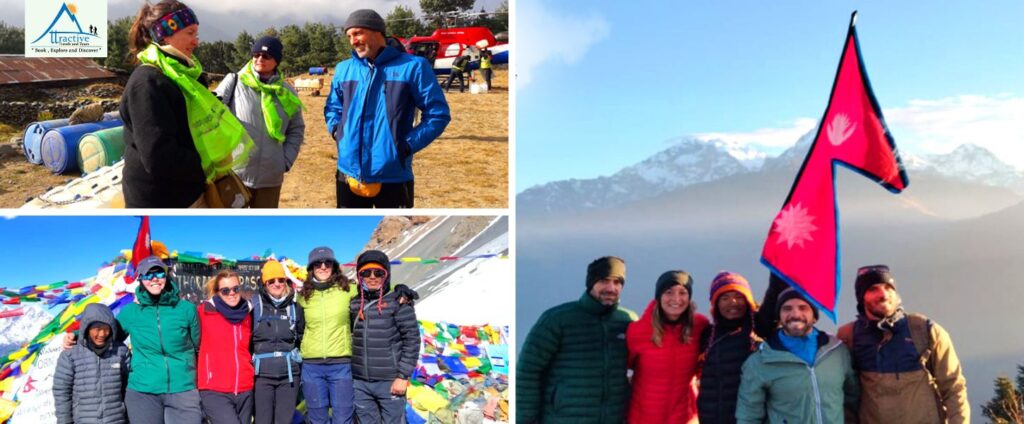
Experienced guides are proficient at navigating the Everest region’s treacherous and occasionally unpredictable terrain. As a result, they are prepared to handle any problems that may develop throughout the trek, such as injuries, poor weather, or altitude sickness.
Additionally, a knowledgeable guide can help you customize your trekking itinerary to suit your physical capabilities and personal preferences. They can advise on the most scenic routes to travel, where to go, and when to hike to avoid crowds.
When planning a trekking adventure, it is essential to prioritize safety above all else. As a result, it’s crucial to pick a trekking company that prioritizes safety and has a history of doing so.
Consider past experiences and client testimonials when assessing the safety record of a trekking company. Look for testimonials that speak directly to the company’s commitment to safety and how well it can manage potential issues.
Furthermore, confirming that the trekking company supplies all the required safety gear, such as oxygen cylinders, first aid kits, and communication gadgets, is essential to address any medical emergencies. They should also prepare for unforeseen events like natural catastrophes or accidents by training their guides and employees in emergency response measures.
When considering a trekking company, looking into its logistics services is crucial. It covers transportation to and from the airport, lodging, food, permits, and other essential arrangements. It is critical to make clear what is and is not included in the pricing.
For instance, some trekking firms may provide airport transfers as part of their package, while others may require you to make your travel arrangements. Likewise, certain companies may provide meals and lodging throughout the trek, while others might offer these services for just a certain portion of the trip.
In addition to these logistics, it is important to consider any other services that the trekking company might provide, such as guided tours or equipment rental. You can better manage your budget and make sure you know what to expect from your trekking trip by knowing which services are included in the price and which might require additional payment.
It’s crucial to consider the trek’s costs while making your plans. While it may be tempting to choose the cheapest option, it’s vital to remember that quality often comes at a higher price. Therefore, don’t compromise your safety and the entire experience of the trek to save a few bucks.
Selecting a trip that offers the required safety precautions and trained guides is important. Although these components may raise the price, they are necessary to ensure a safe and happy trip. Additionally, a higher-priced trek might include nicer lodging, food, and equipment, which can greatly improve your experience.
However, this doesn’t imply that you should choose the most expensive option blindly. Research and contrast the costs and services provided by various trek companies. Also, look for evaluations and feedback from prior trekkers to understand the services’ caliber.
Attractive Travels and Tours is a licensed travel and tour company in Kathmandu, Nepal, founded by Ms. Ranjita Silwall. The business offers personalized treks and tour packages in Nepal, Tibet, and Bhutan. And trekking to Everest Base Camp is one of the many activities that Attractive Travels & Tours offers through partnerships with certified operators.

One key factor that sets Attractive Travels and Tours apart from other travel and tour companies is their emphasis on personalized service. The company works closely with each client to create a customized itinerary that meets their needs and interests. The skilled and knowledgeable staff at Attractive Travels & Tours offers clients professional advice and suggestions to assist them in selecting the ideal excursions, lodging, and travel arrangements for their trip.
Attractive Travels and Tours thoroughly screens and trains its tour guides to ensure they adhere to strict government tourism standards. They are dedicated to giving customers a safe, entertaining, and instructive experience. Moreover, they are also informed about the histories and cultures of Nepal, Tibet, and Bhutan. The company has received excellent ratings and favorable evaluations on many travel review websites, highlighting its offerings’ standards.
In conclusion, a reliable trekking company may make all the difference when planning a trip to Everest Base Camp. They can offer the assistance and knowledge required to guarantee trekkers have a safe and pleasurable journey. Several factors should be considered when selecting a company, including its reputation, experience, safety record, and level of customer service.
Firstly, you should research the company’s reputation by reading reviews and feedback from previous customers. Secondly, the company’s experience organizing Everest Base Camp treks should be considered. Safety is extremely important when trekking to Everest Base Camp, so you should pick a company with a good safety record. Lastly, the company’s customer service should also be considered.
Overall, keeping these things in mind will assist you in selecting a reliable and knowledgeable trekking company. And that business will make sure you’re safe and that your trip to Everest Base Camp is delightful.
Nepal is a country that is blessed with unique cultural experiences that span back several centuries. It is home to several indigenous and ethnic communities with varied arts, traditions, and faiths. The range and diversity of Nepal’s cultural variety are spectacular, with more than 100 ethnic groups speaking more than 100 languages nationwide.
One can see varied cultures and traditions passed down from generation to generation from the eastern to the western region and from the mountainous highlands to the fertile Terai plain. The location, ethnicity, residence, and religion all impact Nepalese culture. As a result, you will encounter a different culture in different parts of Nepal.
No matter where you go in Nepal, you’ll encounter many people, each with their customs, practices, and ways of living, all from various ethnic and cultural backgrounds. For instance, the culture of the Tharus, who live in the Terai region, differs from the Newari culture in the Kathmandu valley. Corresponding to this, the Gurung culture found in the foothills of the mountains is very distinct from the Sherpa culture of the Himalayan region.
It’s critical to immerse oneself in the local communities and interact with the locals to appreciate Nepal’s culture’s diversity and richness fully. Nepal offers various cultural activities, including trying local cuisine, learning about regional festivals and customs, or seeing local artisans at work.
The culture of Nepal is unique in many ways. Nepal’s distinct culture is renowned for its range, beauty, and uniqueness. The country is home to more than 100 ethnic groups, each with its customs, traditions, and way of life. Here are a few characteristics of Nepali culture that set it apart:
Nepal, formerly a Hindu kingdom, has seen a tremendous shift in recent years, evolving into a secular nation that maintains the principles of religious tolerance and freedom of worship. The country acknowledges and respects all religions, and people are free to follow any religion they like without facing any bias.
While Hinduism continues to be the majority religion in Nepal, there are also sizable populations of Buddhists and Christians here. The Nepalese people have maintained a remarkable degree of harmony and tolerance for one another despite having different religious views.
Nepal has a rich and varied cultural legacy; its many festivals are among its most noteworthy unique cultural experiences. These festivals, observed yearly with tremendous intensity and excitement, reflect Nepal’s history, customs, and religious beliefs.
Some of the most celebrated festivals in Nepal are
Dashain
Tihar
Holi
Janai Purnima
Mahashivatri
Teej
Lhosar
GaiJatra
IndraJatra
Ghode Jatra
Bisket Jatra
Magh Sankranti
Saraswati Puja
Buddha Jayanti
These celebrations are significant to Nepali culture and offer a window into the nation’s unique cultural experiences. Every festival has meaning, and the celebrations vary according to the people’s cultures and geographic locations.
Similarly, festivals offer many people a chance to reconnect with their families. In today’s fast-paced world, where people are busy with their work lives, festivals provide a much-needed break from the daily routine. Nepalese who reside overseas try to return during these holidays to celebrate with their family and re-establish ties to their cultural identity. From playing with colors during Holi to flying kites during Dashain, festivals allow people to let loose and have a good time.
Nepali cuisine is a fascinating blend of aromas and influences from India, Tibet, and China. Following are some of Nepal’s most well-known dishes:
i. Dal Bhat: Dal Bhat is a typical household staple and the national dish of Nepal. It includes boiled rice (Bhat), lentil soup (dal), vegetable curry, pickles, and papad.
ii. Momos: Momos are steamed, fried, or boiled dumplings. They frequently come with a spicy dipping sauce and are stuffed with ground meat or veggies.
iii. Chow mein: Street food vendors and restaurants serving Nepali cuisine often sell chow mein, a stir-fried noodle dish.
iv. Thukpa: Thukpa is a noodle soup popular in the Himalayan region. It is normally cooked with meat, veggies, and a delicious broth.
v. Sel roti: Sel roti is a sweet, ring-shaped bread with rice flour, sugar, and cardamom. It is commonly served at festivals and other special events.
vi. Chatamari: Chatamari is a type of rice pancake. It is popular among the Newari of Kathmandu.
vii. Sukuti: Sukuti is a dried meat commonly produced from buffalo or goat meat. It is generally marinated in a blend of spices and then dried in the Sun.
viii. Aloo Tama: Aloo Tama is a traditional Nepalese dish with potatoes and bamboo shoots. It is normally accompanied by rice and dal.
ix. Thenduk: It is the popular dish of the Sherpa people living in the Himalayan region. This dish is a mixture of vegetables and meat and is served hot.
Dance is a fundamental part of Nepal’s cultural traditions, which are vast and diverse. It also depicts Nepal’s unique cultural experiences. In Nepal, various traditional dances are performed, each with its style and background. Some of the most well-liked dances in Nepal are listed below:
i. Lakhe dance: The Newar community performs this traditional dance at festivals and other events. Men clad in vibrant costumes and masks depicting the mythical demon Lakhe do the dance.
ii. Jhyaure dance: This traditional dance is done in the eastern region of Nepal during the Dashain festival. Women in bright saris and jewels do dance to traditional Nepali music.
iii. Tamang Selo: One of the main ethnic groups in Nepal is the Tamang community, and this dance is one of their traditional dances. Both men and women dance, accompanied by traditional Tamang music. The dance gestures reflect the Tamang people’s routine tasks, including farming and herding.
iv. Maruni dance: It is the traditional dance of the people in the Terai region. People do this dance during weddings and other festive occasions. Women in bright saris and jewels do dance to traditional Nepali music.
v. Dhan Naach: The Limbu community of Nepal performs it to commemorate the agricultural harvest.
vi. Chandi Naach: The Rai community of Nepal performs it during Udhauli and Ubhauli.
Nepal is a multiethnic and multicultural country with over 125 ethnic groups. And each group represents a unique cultural experience. The following are some examples of Nepal’s various communities’ traditional clothing:
i. Tamang Community: Lungi, jewelry, Patuka, cholo, a Tamang mala, and a Tamang Ghalek are all parts of the Tamang community’s traditional dress. In the same way, they wear this attire for significant communal celebrations like “Sonam Losar” festivals.
ii. Sherpa Community: The Sherpa community has a distinctive dress called “Bakhu,” a long-sleeved dress made of wool or silk. It is worn with a shawl, a Topi, and a bright apron.
iii. Tharu Community: The traditional attire of the Tharu community is “Dhoti Kurta.” It’s a basic cotton or silk shirt worn with a lungi or dhoti, a long garment worn around the waist.
iv. Newar Community: The Newar community has its unique traditional dress, which is known as “Haku Patasi.” It comprises a white shawl with a red border, a black sari, and a blouse. Moreover, women also put red tika on their foreheads. Likewise, Newari men wear Daura Suruwal.
v. Gurung Community: The traditional dress of the Gurung community is “Ghalek.” It is a wool or cotton long-sleeved dress with a colorful waistline and scarf.
vi. Rai Community: The Rai Community wears a long-sleeved, cotton or silk dress with a colorful waistline and a scarf as part of their traditional attire.
vii. Limbu Community: The Mekhli and Taga are the traditional attire of the Limbus. White Mekhli and Taga are popular because they represent purity.
ix. Magar Community: Magar women wear a dress called “Chaubandi Cholo,” a long-sleeved top paired with a skirt. Similarly, men dress in Kachhad, a Bhoto or vest-style shirt, and the typical Nepali topi.
i. Nuwaran (Name-giving ceremony): Nuwaran, also known as the naming ceremony, is a significant cultural occasion in Nepal. A newborn infant is named during this event, typically on the twelfth day following the birth. Priests execute several rituals and prayers throughout the event to bless the kid and ensure his well-being.
ii. Pasni (Rice feeding ceremony): Pasni is a traditional rice-feeding ceremony. It is also referred to as “Annaprasan.” When a baby turns six months old, this ceremony is performed. A baby receives their first serving of rice or other solid food during this ritual.
iii. Bratabandha: Bratabandha is a significant Hindu ritual widely observed in Nepal, particularly for young boys. This ritual symbolizes their entry into maturity and their pledge to uphold Hindu customs and principles. During the ceremony, the boy gets his head shave. A Hindu priest performs a series of rituals and chants prayers to seek the blessings of deities and forefathers.
iv. Bel Bibaha: Bel Bibaha, often called Ehee, is a customary Hindu wedding ritual the Newar group performs. Generally, it involves the marriage of pre-pubescent girls, also known as “Bel Bibaha Kumari,” to the bel fruit (wood apple) or the Sun.
v. Janku: Janku is a traditional celebration that signifies the appreciation and joy of life as one reaches a certain age. Five significant Janku celebrations mark important milestones in a person’s life journey. Once a person reaches the age of 77, the first Janku celebration is celebrated. Similarly, the second Janku is celebrated when an individual turns 1000 months old (roughly between 81 and 84 years old). The third Janku celebration takes place at the age of 88, and the fourth Janku at 99. Likewise, the fifth and final Janku ceremony occurs when an individual turns 110.
Nepal is a culturally rich country with diverse, unique cultural experiences. We can see differences in culture, traditions, customs, languages, religion, food, and traditional dress among Nepalese people.