How Much Does it Really Cost to Trek to Everest Base Camp in 2026?
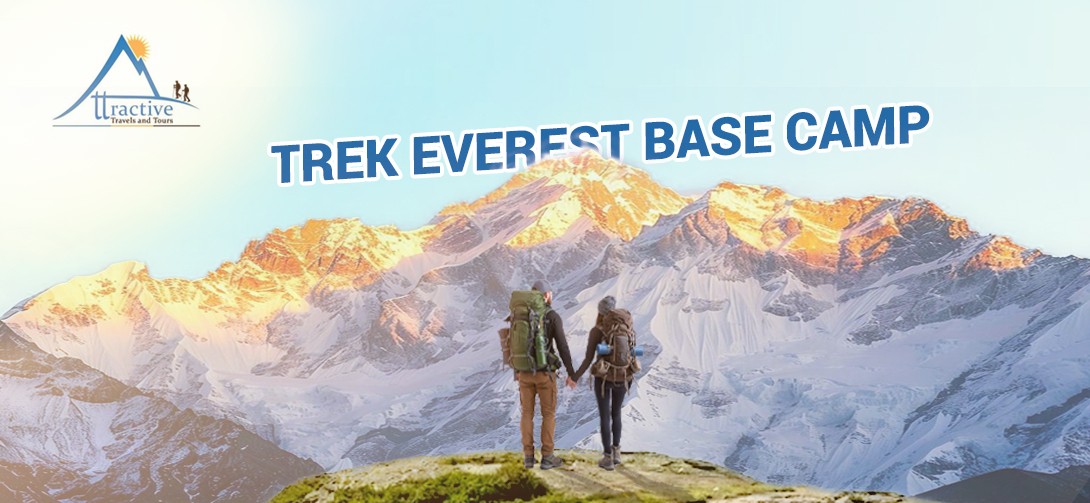
The Everest Base Camp trek is a dream journey for adventure travelers and nature enthusiasts worldwide. It is a lifetime experience because of the beautiful views of Mount Everest, which is the highest point in the world. Nonetheless, you must know how much your trek actually costs before you begin planning it.
Most individuals believe that Everest Base Camp trek is a costly adventure, and the reality is that it may be so depending on the nature of trek packages you choose, season, and your preferences. The prices will be different, whether you’re a low-end traveler or someone who wants to spend a bit more.
This guide will break down the cost of trekking to Everest Base Camp in 2026, including all aspects of permits, flights, guides, food, accommodation, and miscellaneous costs. Knowing the overall cost, you would be able to pack your trek better, and there would be no unexpected costs on the way.
Overview of Everest Base Camp Trek
The Everest Base Camp Trek is among the most popular and well-known treks around the world. Located in the Khumbu region of Nepal, this trek takes you through incredible landscapes and Sherpa villages to Buddhist monasteries and, the ultimate location, up at the base of the tallest mountain in the world, Mount Everest.
Route and Duration
The trek usually begins with a flight from Kathmandu to Lukla small air strip at the bottom of a mountain. From there, you would trek through the beautiful villages of Namche Bazaar, Tengboche, and ultimately reach Everest Base Camp. The journey covers a distance of about long equal to 130 kilometers (81 miles).
The trek takes around 12 to 14 days. This includes plenty of time for acclimatization to ensure that you are safe and enjoy the trek without having altitude sickness.
Best Seasons to Trek
The best times for the Everest Base Camp trek would be during the Spring seasons (March to May) and the autumn (September to November). These seasons have clear skies and mild temperatures and it is also the best time to trek.
- Spring: The weather is warm, and there will be an opportunity to see overhead rhododendrons and other wildflowers bloom on the way.
- Autumn: The skies are clear and the weather stable making it perfect for stunning views of the mountains.
Key Cost Categories
When you plan your Everest Base Camp trek, it is important to divide the expenses into various sectors. This way, you can have a better knowledge of where your money will go. So let’s see how many expenses you’ll have to deal with.
Permit & Official Fees
Before you even start your trek, there are some official fees you will have to pay:
- TIMS (Trekkers Information Management System) Card: This is a card that helps the authorities to track the trekkers. The cost is usually from USD 20 to USD 25.
- Sagarmatha National Park Entry Permit: As you are going to trek through Sagarmatha National Park, you require an entry permit. The fee is usually around USD 30 – USD 40.
- Local Municipality Tax: A small fee of around USD 10 may be imposed while passing through some of the villages.
Transportation Costs
The route to Everest Base Camp starts with flights from Kathmandu to Lukla. Below is a breakdown of the costs of transportation:
- Kathmandu to Lukla flight: This is one of the most costly segments of the trek. It is usually between USD 150 and USD 180 for a one-way flight. Prices may vary with the season.
- Other transportation: Once you are in Kathmandu, you may need to take a taxi or some other transport for airport transfers. The cost of this varies but is usually in the region of USD 10 to USD 20.
Guide & Porter Costs
Having a guide and a porter is not mandatory but may make your trek much more fun and easy.
- Guide: A professional guide is of assistance with navigation, safety and local knowledge. The day-to-day price of a guide will typically be around USD 25 to USD 35.
- Porter: If you do not wish to carry a heavy backpack, it is a good idea to hire a porter. They normally charge USD 15 to USD 20 per day.
Accommodation Along the Trek
Along your trek, you will stay in teahouses (basic lodges) on the way too. The cost of accommodation varies according to the location and season.
- Lower Altitudes (Lukla, Namche): At the lower altitudes, the teahouse price is generally lower. Expect to pay something in the range of USD 5 – USD 10 per night.
- Higher Altitudes (Tengboche, Dingboche): The prices go higher the further up. In places such as Tengboche or Dingboche, the cost can be up to 10 dollars to 20 dollars per night.
Food & Drinks
Food is available along the trekking route but it has different prices depending on where you are.
- Lower Altitudes: At the lower altitudes, meals are less expensive. You can expect to be paying about USD 5 to USD 7 for breakfast or lunch.
- Higher Altitudes: The closer you get to Everest, the higher the price of food will be. While in the higher altitude villages, the cost of meals varies from USD 8 to USD 15.
- Snacks & Drinks: Don’t forget about drinks (hot tea, coffee, bottled water), which are essential in order not to be dehydrated. A cup of tea may cost USD 2 or 4. Bottled water could cost USD 3 to USD 4 at high altitudes.
Gear & Equipment
Having the correct gear is very important to a safe and comfortable trek. A few essential things are mentioned below:
- Trekking Boots: Good-quality boots are a must. They can range from USD 50 to USD 200 depending on the brands.
- Sleeping Bag: A sleeping bag that is suitable for high altitude trekking will cost you between USD 50 to USD 150.
- Clothing & Accessories: Layered clothing for different temperatures (jackets, pants, gloves, etc) can cost anywhere from USD 100 to 300.
- Gear Rentals: If you are not interested in buying gear, for example, you can rent things such as sleeping bags or down jackets in Kathmandu for USD 5 to USD 10 per day.
Insurance
Travel insurance is an essential requirement for any trek, and of course in the Himalayas.
- Travel Insurance: Covers general problems connected with travel (lost luggage, flight delays). Typically costs USD 50 to USD 100.
- High-Altitude Insurance: Covers emergency evacuation, which is needed for trekking above 3000 meters. This can range from USD 70 to 150 for the duration of the trek.
Cost-Saving Tips for 2026
Trekking to Everest base camp can be an expensive adventure. There are plenty of ways you can save some cash without compromising the quality of your experience. Here are some employable tips in any event to help you save money on your 2026 trek:
Book Flights & Guides Early
Flight prices from Kathmandu to Lukla may vary so you may be able to get a better deal the earlier you book your flights. The same applies to the hiring of a guide or a porter. It is best to book in advance to be sure of going, or it might potentially work along with discounts.
Choose Local Operators
While booking a trek through an international agency would sound like a safe trek route option, venturing with a local trekking agency can save you a great amount of money. Local agencies tend to provide the same level of service but at a much lower cost due to their lower money spent overhead costs.
Share Porter and Guide Costs
If you’re traveling with a group or can join up with other trekkers, you can share the expenses of hiring a porter and guide. This is a common practice on the EBC trek and helps significantly to reduce individual costs.
Avoid Peak Season
The peak trekking season in Nepal (Spring and Autumn) may increase the accommodation and food prices due to the high demand. Trekking in the off-season (such as in late winter or early monsoon) can help you save on overall spending, but you should be ready for possible challenges related to the weather.
Stay in Budget Teahouses
Accommodation prices can be very high in premium lodges or during peak season. If you’re on a saving spree, then option for budget prevailing teahouses on the route. They’re simple but comfortable, and you will be able to find decent meals for affordable prices.
Bring Your Own Snacks
While there will be available food all along the trail, prices charged for snacks and drinks can add up. Consider taking your own energy bars, nuts and other high-energy snacks for the trek. These are often available at Kathmandu, and then when you go to Lukla.
Rent Gear in Kathmandu
If you don’t have all of the equipment that you need for trekking, you should consider renting equipment in Kathmandu, rather than buying any. Renting gear such as sleeping bags, down jackets, and trekking poles can save you a great deal of money as compared to buying these items.
Avoid Extra Luxuries
While it is tempting to indulge in hot showers, Wi-Fi or luxury rooms offered in villages at higher altitudes, its extra luxuries can easily add up. Stick to basic accommodations and meals along the way to keep your costs low.
Conclusion
Trekking to Everest Base Camp is truly an unforgettable experience and a once-in-a-lifetime chance to explore the stunning mountain of the world and dive into the rich culture and natural beauty of Nepal. However, knowing the real cost of the trek is important to help plan your trek and to ensure that you stay within your budget.
FAQs
In this section, we have the answers to some common questions related to the cost of trekking to Everest Base Camp in 2026 asked by trekkers. These frequently asked questions will help determine some of the concerns that you may have.
1. Is Everest Base Camp expensive?
The cost of trekking to Everest Base Camp varies greatly, depending on your mode of travel. While the trek can be costly in terms of flights, permits and accommodation, it is possible to trek on a budget or go for a luxury trek based on one’s preferences.
2. Why is the Lukla flight so costly?
The Lukla flight is one of the most expensive components of the trek, as a result of the remote location and high altitude landing. The Tenzing-Hillary Airport in Lukla lies in a mountainous region and the flights are usually small and there are a limited number of airlines.
Additionally, the weather conditions and the need for skilled pilots add to the overall cost.
3. Can I trek solo to Everest Base Camp?
Yes, you can trek to Everest Base Camp without a guide, but it is not recommended except for people with experience of trekking in high altitudes. Solo trekking without a guide or porter can be risky as altitude sickness is a possibility.
There is no support in the remote areas due to the difficult terrain. Many trekkers choose to hire a guide and/or a porter for safety, general direction and cultural understanding.
4. Do I need a guide or porter?
A guide and porter are not required, though highly recommended, especially to those who are new to trekking at high altitudes. A guide will assist you in navigating around the route, give advice about safety and share their knowledge. A porter can assist you with the migration of your backpack so that you can concentrate on enjoying the trek. Hiring both can enhance your experience but it will add to your costs.
5. What other permits do I need?
In addition to the TIMS card and Sagarmatha National Park permit, the trekkers may also require Khumbu Pasang Lhamu Rural Municipality permit for trekking in Khumbu region.
This type of permit usually costs between USD 20- USD 25. Make sure that you check with your trekking agency or the Nepal Tourism Board for any extra permits you need to take for your trek.
6. How can I save money on food during the trek?
Food along the trail can get expensive, especially on a larger mileage at altitude. To save money, consider:
- Bringing your own snacks (energy bars, nuts, etc.) from Kathmandu.
- Opting for local dishes (dal bhat, momo) which are often more affordable than international options.
- Staying at budget teahouses that offer reasonable meal packages.
7. Is it safe to trek to Everest Base Camp in 2026?
Yes, Everest Base Camp is generally considered to be safe for trekkers who are in good physical condition and who take the necessary precautions against the effects of altitude sickness.
So, always ensure that you have a slow and steady pace for your acclimatization, drink plenty of fluids, and rest when required. Make sure you have the travel insurance in place to cater to high altitude trek and emergency evacuation.
Download PDF