Durbar Square Of Nepal: Kathmandu, Patan and Bhaktapur
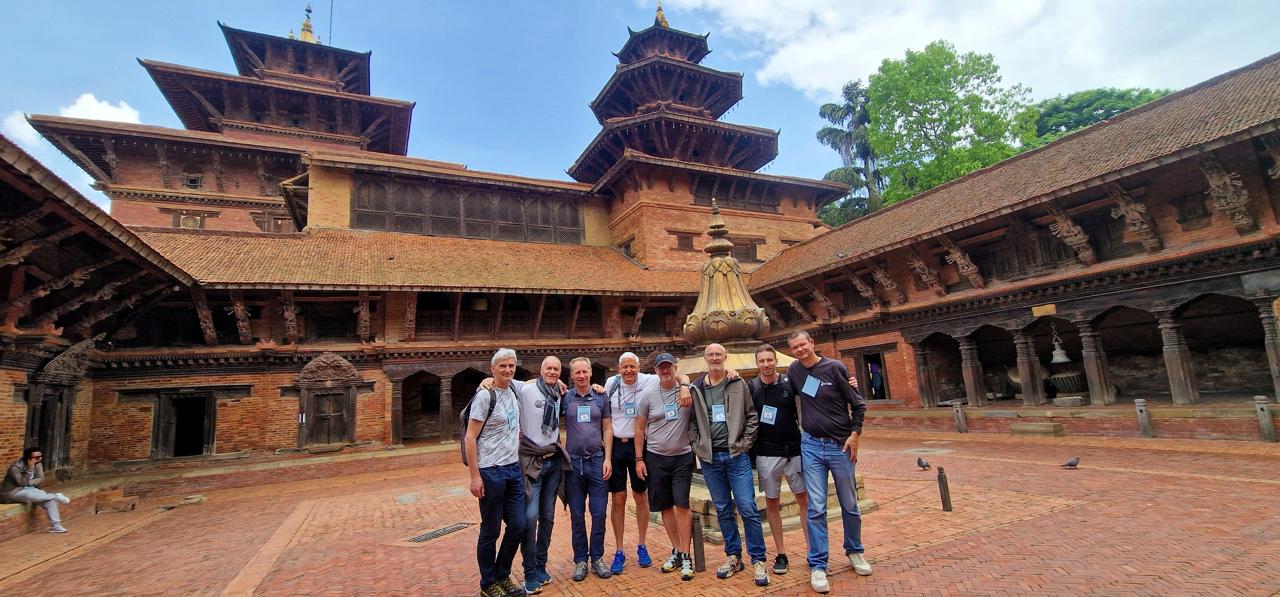
Durbar Square is a popular cultural site that attracts many tourists annually. The square contains a combination of ancient temples, palaces, and other buildings that display Nepal’s rich and diverse history and architectural styles. It was once the hub of political and religious activities and served as the Nepalese monarchy’s seat. Today, it vividly represents Nepal’s culture and history.
Similarly, the intricate carvings, detailed designs, and vivid colors of the buildings and monuments in Durbar Square reflect the artistic skills and expertise of the Newar people. The Newar people have primarily occupied the Kathmandu Valley for many years.
This blog post will dig into Durbar Square’s fascinating history and significance. Moreover, it will highlight the various features that make it a must-visit location for everyone interested in Nepalese traditions and customs.
What Are The Three Durbar Squares Of Nepal?
Nepal has three famous Durbar Squares: Kathmandu Durbar Square, Patan Durbar Square, and Bhaktapur Durbar Square. These squares have been recognized as World Heritage Sites by UNESCO.
I. Kathmandu Durbar Square
Kathmandu Durbar Square, also known as Basantapur Durbar Square and Hanuman Dhoka Durbar Square, is a major cultural site in the heart of Kathmandu, Nepal. It showcases Nepal’s exquisite architecture and art from the 12th to 18th centuries. This area is a significant cultural hub and is still one of Nepal’s most visited tourist destinations.
Similarly, the square comprises two sections: the outer and inner complex. Several notable temples in the outer complex include the Taleju Temple, the Jagannath Temple, the Shiv-Parvati Temple, the Big Bell, and the Kumari Bahal. Numerous people visit these temples because of their stunning architecture in the classic pagoda style.
Likewise, the inner complex includes the former palace, the Basantapur Durbar, the Hanuman Dhoka, and other structures. The palace served as the residence of the Nepalese Royal family until the 19th century and was also the venue for the coronation of kings.
Furthermore, Kathmandu Durbar Square has earned the title “the Museum of Temples” because it boasts more than 50 temples. The remarkable history and architecture of Basantapur Durbar Square also provide an extraordinary glimpse into Nepal’s past. Beautiful temples, palaces, and other structures around the area are evidence of the artistic and cultural spirit of the place.
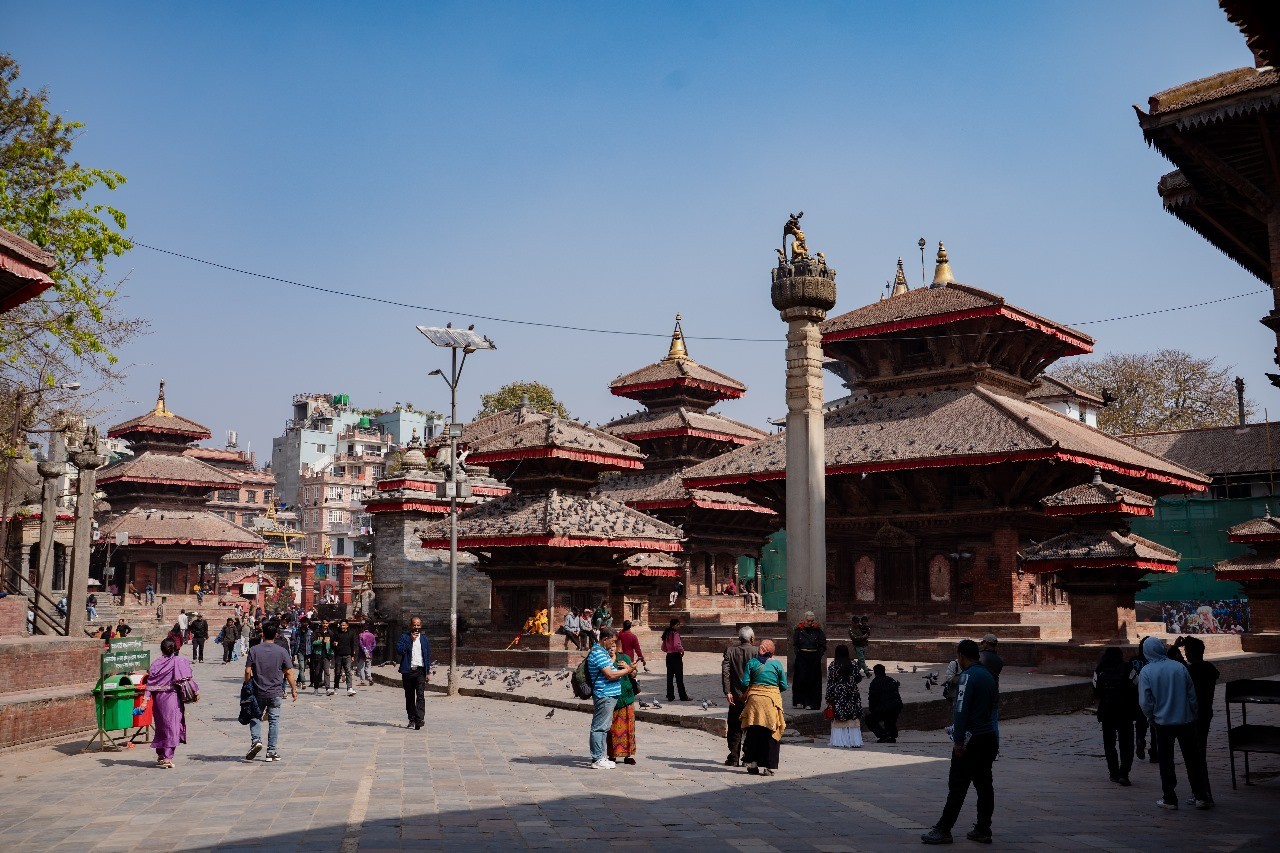
Kathmandu Durbar Square has the following important places:
1. Taleju temple:
The Taleju Temple in Kathmandu Durbar Square is a religious marvel that towers over all other buildings. It was built in 1549 AD by King Mahendra Malla and is very important to Nepalese people who practice Jainism and Hinduism. The temple’s design follows the typical Newari architecture. It is only open for one day during the Dashain festival.
The Goddess is believed to have entered the temple as a bee, signifying her divine presence within the sacred temple walls. The Taleju Temple has been a center of devotion and pilgrimage for people of all backgrounds for generations and remains a crucial part of Nepal’s cultural heritage.
2. Kumari Temple:
The Kumari Temple in Kathmandu Durbar Square is a magnificent example of 17th-century Nepali architecture. The temple houses the Living Goddess Kumari, a highly revered divine entity believed to bestow good fortune upon devotees. The temple’s exterior displays amazing craftsmanship and elaborate designs with beautifully carved wooden windows and doors.
Similarly, the interior is equally impressive, with delicate metalwork, murals, and elegant wooden ceilings. Visitors can witness the Kumari in person during specific hours when she appears at a temple window adorned in traditional attire and intricate jewelry.
3. Nasal Chowk:
Nasal Chowk, situated in the Kathmandu Durbar Square, is a delightful courtyard that serves as an impressive entrance to the grand royal palace. This courtyard has a rich history and has hosted numerous royal events like coronations, performances, and holy fire rituals.
The name Nasal Chowk comes from Nasadya, the God of Dance, highlighting the importance of dance in Nepalese culture. It is a living testament to the rich cultural traditions of Nepal, reminding us of its royal history’s enduring legacy.
4. Kal Bhairab:
The Kal Bhairab is a large stone statue from the 17th century in Kathmandu Durbar Square, Nepal. It is called the “Black Bhairab” and symbolizes Lord Shiva’s terrifying side. The sculpture depicts the deity, which symbolizes protection, power, and chaos, violently and terrifyingly with glaring eyes, sharp teeth, and numerous arms having various weapons.
The statue was built to hinder evil spirits and harmful energies in Kathmandu. It presently acts as a major tourist destination representing Nepal’s cultural heritage.
Bhaktapur Durbar Square
In Nepal’s Bhaktapur, the Bhaktapur Durbar Square consists of old buildings, including palaces, temples, courtyards, and open areas. The area has been designated a UNESCO World Heritage Site. It honors the unique artistic creations and cultural heritage of the Newar people who have lived there for many generations.
Bhaktapur Durbar Square offers a chance to appreciate the region’s rich history and cultural significance fully, and visiting it is like a trip to the past. The intricate patterns of the temples and palaces are proof of the extraordinary craftsmanship of the Newar artisans and showcase the peculiar Newari architectural style, which combines Hindu and Buddhist elements.
In addition to the spectacular architecture, visitors can stroll through the old city’s narrow alleyways to see the Newar-style homes.
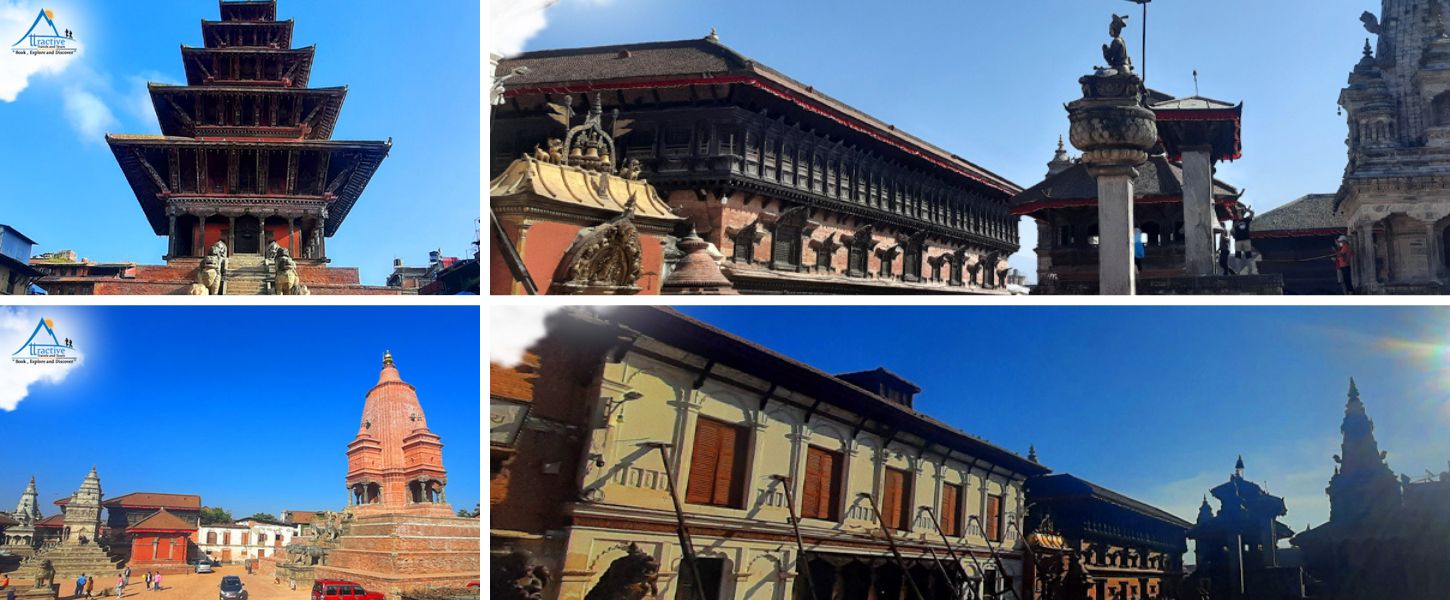
Some of the important places in Bhaktapur Durbar Square include:
1. The 55 Windows Palace:
In the middle of Bhaktapur Durbar Square sits the magnificent architectural marvel known as the 55 Windows Palace. King Yakshay Malla built it in the fifteenth century, and King Bhupatindra Malla renovated it in the seventeenth century.
The palace is particularly famous for its intricate woodcarving, particularly in the 55 stunningly crafted windows on the balcony. The palace’s name derives from this distinctive element. The 55 Windows Palace showcases the Newar people’s wood and stone carving and architectural skills.
2. The Golden Gate:
King Ranjit Malla built the magnificent Golden Gate entry to the Palace of 55 Windows to demonstrate the superiority of architecture. The stunning brass construction, adorned with intricate carvings depicting Hindu gods and goddesses, amazes visitors. The design is already beautiful, but adding mythical animals makes it even more mysterious and amazing.
Visitors enter a world of intricate artistry and ancient mythological tales as they pass through the awe-inspiring entrance. The Golden Gate is a remarkable piece of history and a magnificent tribute to the artistic talents of its creators.
3. Nyatapola Temple:
It is a five-story pagoda-shaped temple with outstanding sculptures and construction. The temple is devoted to the Goddess Siddhi Lakshmi, who is regarded as a representation of achievement, wealth, and fortune. “Nyatapola” means “five stories,” depicting the temple’s remarkable height and magnificence. It stands as one of Nepal’s tallest pagoda-style temples.
4. National Art Museum:
It is the best galleries and museums in the nation. It gives guests an unparalleled opportunity to delve into Nepal’s rich artistic history. One of the major highlights of the museum is the collection of Thangka paintings that date back to the time of the monarchy. They offer an intriguing glimpse into the vibrant culture and history of Nepal.
In addition to the Thangkas, visitors can also awe at the chronicles and manuscripts from the 14th century. Visitors can also view an amazing collection of stone and woodwork that displays the extraordinary talents of Nepalese artists.
5. Pottery Square:
Pottery Square is a historically significant and beautiful neighborhood famous for its pottery-making tradition. Here, visitors can watch the talented potters working as they mold and shape clay into stunning and detailed designs.
Additionally, many stores and stalls offer handmade pottery goods, including plates, bowls, cups, vases, and ornamental objects. Whether one is a pottery enthusiast or simply looking for an authentic and unique cultural experience, Pottery Square is the perfect place to immerse oneself in local art and craft.
Patan Durbar Square
Patan Durbar Square is a famous and historic place in Patan, Nepal. It is a UNESCO World Heritage Site that draws tourists worldwide due to the stunning Newari architecture, which portrays the region’s deep cultural and historical significance. Visitors can stroll across the area to understand the fascinating Newari culture. The square consists of numerous temples, palaces, and courtyards built during the Malla dynasty.
Moreover, the temples and structures in the square are examples of the Newari people’s outstanding craftsmanship and prove Nepal’s rich artistic tradition. Additionally, visitors can see the customs and traditions depicted in the area, which offers a fascinating glimpse into the traditional lifestyle of the Newari people.
However, in 2015, the earthquake caused significant damage to Durbar Square. And the restoration work has been ongoing to restore the structures to their original form. But still, visitors can tour the area and its environs even if the repair operation is ongoing.
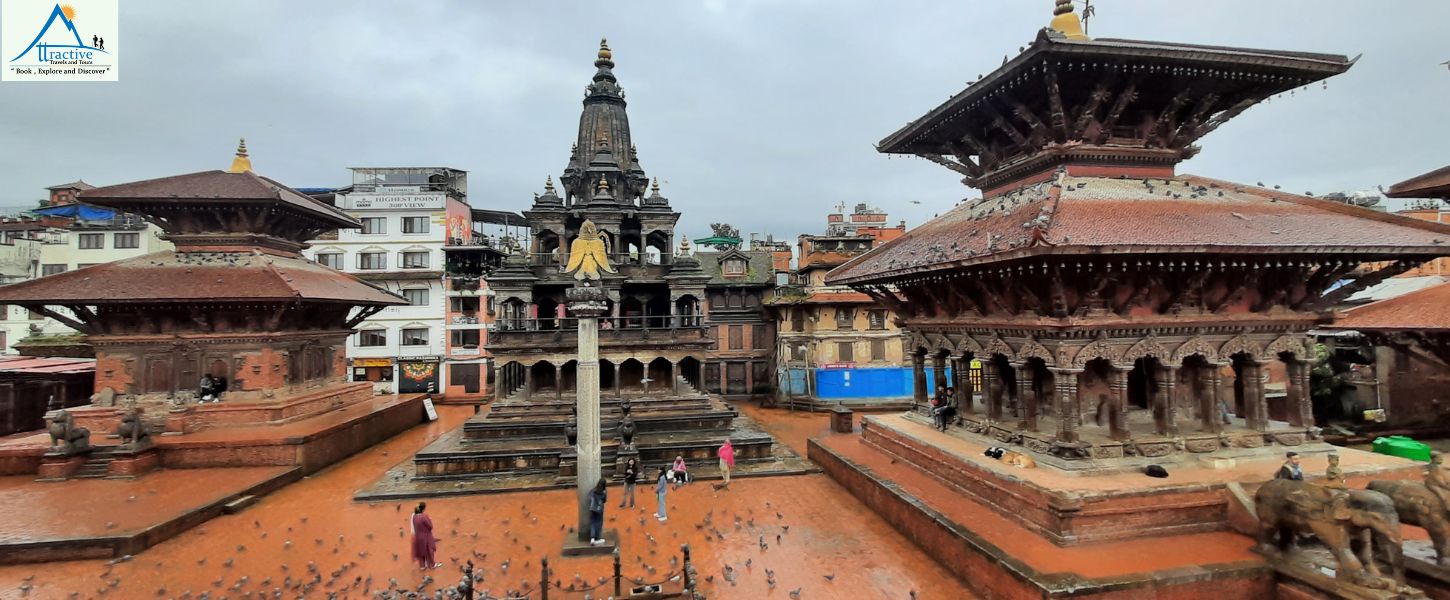
Attractive locations in Patan Durbar Square include:
1. Krishna Temple:
The Krishna temple is a 17th-century temple that is devoted to Lord Krishna. The temple was built on King Siddhi Narsingh Malla’s orders and is one of the most important temples in the area. The temple is well-known for its rich carvings and stunning stone sculptures, which reveal the incredible craftsmanship and ability of the builders and artisans who built it.
Likewise, the temple’s beautiful carvings and ethereal contours pay homage to the Nepalese people’s deep religious devotion and cultural history. The Krishna Temple draws believers and visitors who come to pay their homage to Lord Krishna.
2. Mahaboudha Temple:
The Mahaboudha Temple is a unique temple which fully constructed using terracotta tiles. It adheres to the conventional Newari architectural style.
3. Kumbeshwar Temple:
It is a magnificent temple dedicated to Lord Shiva. The temple consists of a tall golden tower and elaborate sculptures.
4. Sundari Chowk:
Sundari Chowk is a tranquil courtyard with stunning architectural features. Visitors can enjoy the area’s tranquillity and appreciate its aesthetic attractiveness.
5. Mul Chowk:
Mul Chowk is a lovely courtyard surrounded by magnificent buildings. Tourists frequently come here to take pictures.
For more details www.attractivetravelnepal.com or Email: info@attractivetravelnepal.com or WhatsApp: +9779851048567
Download PDF