Namche Bazaar : A Gateway to the Everest Base Camp Trek, culture, and adventure
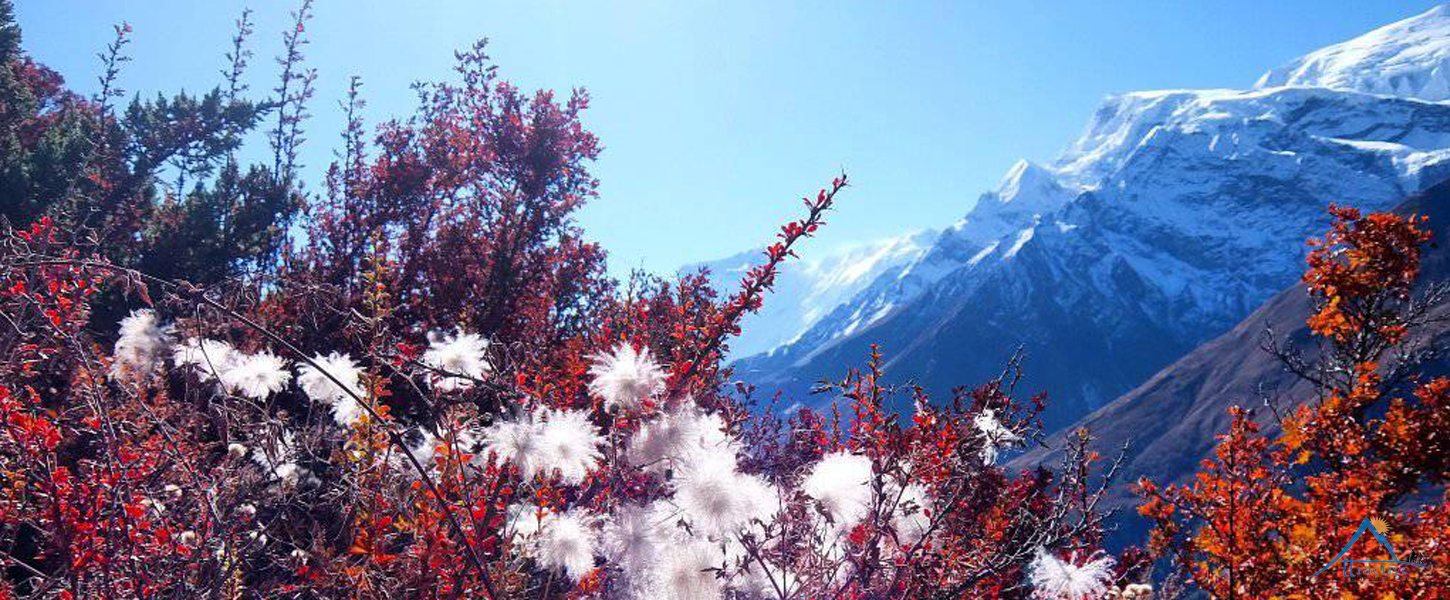
Why Namche Bazaar is the Gateway to Everest Base Camp
Strategically Located on the Namche Bazaar Trek Route
Namche Bazaar, often called the “Gateway to Everest,” involves much more than mere marketing; rather, it represents a geographical and practical reality. Specifically, this town is built into a natural amphitheatre above the confluence of the Bhote Koshi and Dudh Koshi rivers; thus, it serves as an inevitable and priceless stop on any trekker seriously attempting the feat. From Namche, it usually takes about four to six more days of trekking to reach Everest Base Camp, covering approximately 38 to 45 kilometers through increasingly alpine terrain. Along the way, the route passes through villages such as Tengboche (featuring a wonderful monastery at 3,867m), Dingboche (an important second acclimatization point at 4,410m), and Pheriche. Finally, the path leads into the glacial area surrounding Everest Base Camp at 5,364 meters. For official destination guidelines, furthermore, you can visit the Nepal Tourism Board.
Namche Bazaar as the Main Stopover for Trekkers
Approximately, Namche sits about 62 km from Everest Base Camp and acts as an overnight stop before climbing to higher, less hospitable locations like Tengboche, Dingboche, Lobuche, and Gorak Shep. Furthermore, almost all major trails in the region converge right at Namche. These include:
-
Everest Base Camp Trek
-
Gokyo Valley Trek
-
Everest Three Passes Trek
-
Ama Dablam Base Camp Trek
-
Thame / Renjo La route Consequently, each of these journeys begins its high-altitude expedition from this iconic settlement.
Mount Everest’s First Views from Namche Bazaar
Trekkers frequently note that the “Everest moment” first happens at Namche during an acclimatization hike to:
-
Everest View Hotel
-
Syangboche Airstrip
-
Khunde and Khumjung villages From these elevated viewpoints, moreover, you can enjoy magnificent sights of:
-
Mt. Everest (8,848.86 m)
-
Lhotse (8,516 m)
-
Ama Dablam (6,812 m)
-
Thamserku (6,623 m)
-
Kongde Ri (6,187 m) It is no wonder, therefore, that Namche is widely called the visual gateway to the highest mountain in the world. In addition, you can review conservation guidelines via the Sagarmatha National Park UNESCO Reference.
A Cultural Centre of the Khumbu Region in Namche Bazaar
Namche is not merely a trekking stop; instead, it offers a deep immersion into Sherpa heritage—one of the most respected mountain cultures on the planet.
The House of Rich Sherpa Culture at Namche Bazaar
The name itself stems from the fact that it is the largest settlement among the Sherpas in the Everest region. Namche, accordingly, is known globally for mountaineering grit, resilience, and the exceptional warmth of its people. Key cultural highlights include:
-
Traditional stone houses and Buddhist stupas
-
Vibrant markets where Tibetan jewellery, woollen garments, antiques, and handmade crafts are sold
-
Prayer wheels and mani walls surrounding the village
-
Hospitality-focused tea houses and lodges Walking through Namche, therefore, feels like walking directly through living Himalayan culture.
Colorful Saturday Market in Namche Bazaar
Every Saturday, Namche springs to life as local bazaars gather traders from Tibet, Solukhumbu villages, and Kathmandu. At this historic trading site, subsequently, the weekly market offers goods ranging from essential trekking gear to fresh produce. As a result, it remains one of the oldest and most vibrant trade traditions in the Himalayas.
Cultural Landmarks Worth Visiting Around Namche Bazaar
-
The Sherpa Museum: It displays Sherpa mountaineering history, photographs of early Everest expeditions, traditional household items, and tributes to legendary mountaineers.
-
Sagarmatha National Park Visitor Centre: It offers precise information on local wildlife, conservation efforts, and the geography and geology of the Everest region.
-
Khumjung Monastery: Located a short hike from Namche, furthermore, it features a preserved “Yeti scalp” inside the monastery alongside breathtaking panoramas.
Namche Bazaar Acclimatization Station: Most Important Stop of the Trek
Because high altitude (sitting at 3,440 meters / 11,286 feet) makes proper acclimatization mandatory, Namche provides an ideal place to spend two nights before ascending higher.
Why Two Nights Are Recommended in Namche Bazaar
Health experts and trekking organizations unanimously agree on golden rules:
“Climb high, sleep low.” “Don’t ascend more than 500-600 meters per day above 3,000 meters.”
At an altitude of 3,440 meters, consequently, Namche offers:
-
Well-settled elevations for physical adjustment
-
Great half-day hiking routes
-
Immediate access to medical support (EBC Rescue Post, local pharmacies) Conversely, if acclimatization is skipped, then the risk of Acute Mountain Sickness (AMS) increases dramatically.
Standard Itinerary to Reach Namche Bazaar
-
Day 1: Fly from Kathmandu to Lukla (2,860m); then trek to Phakding (2,610m).
-
Day 2: Trek from Phakding to Namche Bazaar (3,440m) — approximately 6 to 7 hours.
-
Day 3: Accordingly, stay an extra night in Namche to properly acclimate.
Best Acclimatization Hikes Near Namche Bazaar
1. Hotel Everest View Near Namche Bazaar (3,880m)
As one of the best short acclimatization hikes, this trail provides stunning views of Everest, Lhotse, and Ama Dablam.
-
Distance: 3–4 hours round trip
-
Altitude: 3,880m
-
Highlights: World’s highest-altitude hotel, 360-degree range of the Everest panorama, and a cozy coffee shop offering tea with a breathtaking backdrop.
2. Khunde and Khumjung Village Close to Namche Bazaar
Visitors can explore traditional village life among local Sherpas. Furthermore, you can visit Khunde Hospital (constructed with support from Sir Edmund Hillary) and admire the famed Yeti scalp at Khumjung Monastery.
3. Syangboche Airport Overlooking Namche Bazaar (3,780m)
Serving as one of the highest airstrips, Syangboche provides an incredible vantage point. Ultimately, these hikes seamlessly combine culture, scenery, and photography with vital physical acclimatization.
Accessibility & How to Reach Namche Bazaar
Normal Route: Flight to Lukla + Trek
The most common access route involves:
-
Flight: Kathmandu or Ramechhap to Lukla (approximately 30–35 minutes).
-
Trek: A 2-day hike with an overnight stop in Phakding.
Alternative Routes
-
Salleri to Namche (Jeep + Trek): Although more reliable than Lukla flights, nevertheless, it requires 3 to 4 extra days of trekking.
-
Jiri to Namche (Classic Trekking Route): This is the historic route followed by legendary climbers Hillary and Tenzing. Consequently, it takes 6 to 7 days longer while offering a more authentic, less overcrowded experience.
Accommodation Options in Namche Bazaar
Namche offers some of the finest accommodations available across the entire Everest region.
Types of Lodges Available
-
Luxury Lodges: These establishments provide immense comfort, ranging from spacious private rooms with attached bathrooms and hot showers to in-room heaters, electric blankets, and soft beds paired with fantastic dining menus. Thus, they are perfect for trekkers who desire a warm, upscale stay without compromising mountain proximity.
-
Mid-Range Tea Houses: Offering basic twin rooms, these tea houses deliver satisfactory comfort with warm, thick blankets and clean shared or semi-private bathrooms. Moreover, they serve fresh meals—including scrumptious dal bhat, varied soups, and pasta—often featuring heated dining halls. Hence, this remains the most popular option for EBC trekkers.
-
Budget Lodges: Providing very simple rooms with wooden beds, thin mattresses, and shared outdoor toilets, these setups feature heating exclusively in dining areas. Despite simple food options, nevertheless, they remain a viable, economical choice for budget travelers.
Price Range
-
Budget rooms: NPR 800 – NPR 1,500 per night
-
Mid-range rooms: NPR 2,000 – NPR 4,000 per night
-
Luxury lodges: NPR 7,000 – NPR 15,000+ per night
-
Food costs: Breakfast (NPR 500–800), Dal Bhat (NPR 700–900). Note: Hot showers, WiFi, and device charging incur extra fees.
Food & Dining Experience in Namche Bazaar
Compared to other stops on the trail, Namche boasts an extensive variety of food options.
Best Local Foods
-
Dal Bhat (with unlimited refills)
-
Sherpa stew (Syakpa)
-
Garlic soup (traditionally used to combat altitude sickness)
-
Yak steak (optional)
International Options
-
Pasta and wood-fired-style pizzas
-
Burgers and fresh bakery pastries
However, keep in mind that prices increase with altitude; consequently, a standard meal in Namche typically ranges from NPR 600 to 1,200.
Trekking Costs from Namche Bazaar to Everest Base Camp
Overall expenses depend heavily on route choices, guide services, seasons, and accommodation types.
Average Cost for EBC Trek (From Kathmandu)
-
Budget: $850 – $1,000
-
Standard: $1,200 – $1,700
-
Luxury: $2,000 – $3,500
Costs Starting Mid-Route from Namche
-
Guide: $25 – $40 per day
-
Porter: $20 – $30 per day
-
Accommodation: $10 – $25+ per night
-
Meals: $25 – $40 per day
Conclusion on Visiting Namche Bazaar
Ultimately, Namche Bazaar is not simply a transit stop; rather, it is the beating heart of the Everest region where high-altitude adventure merges seamlessly with rich culture and essential acclimatization. From mesmerizing mountain panoramas and ancient Sherpa traditions to vibrant markets and modern amenities, Namche provides every Himalayan traveler with everything needed. Whether you are heading toward Everest Base Camp, exploring Sherpa heritage, or dreaming of a mountain retreat, therefore, Namche serves as your ultimate gateway.
If you are planning your upcoming trek or cultural tour, then Attractive Travel Nepal stands fully prepared to assist with expert planning, local knowledge, and reliable services to make your journey to Namche Bazaar and beyond an unforgettable experience.
Download PDF