Lumbini : UNESCO World Heritage Site

Lumbini is the birthplace of the Gautama Buddha. It’s highly debated when exactly he was born, with estimates ranging from the 11th to the 6th century BC. One of the four holiest locations in Buddhism is the town of Lumbini, which is also the location of the Buddha’s birth, enlightenment, first lecture, and death. These all happened outside, in the wild. Lumbini, UNESCO listed falls under one of the most visited site by tourist in our country Nepal.
Lumbini: Overview of a Sacred UNESCO Site
Archaeologists built several stupas at the Kudan archaeological site to commemorate key events in Buddha’s life. Most importantly, these structures mark his reunion with King Suddhodhana seven years after attaining enlightenment. Furthermore, monks ordained his son Rahula there at age eight. Researchers have also completed extensive archaeological work in Devadaha, an ancient city located 57 kilometers from Lumbini. Queen Mayadevi stopped to give birth while traveling to her home village. Devotees have built several monuments in her honor, and historians have since discovered many artifacts here.
Prince Siddhartha began his historic journey in 623 BC, alongside the birth of the religion bearing his name. Consequently, Lumbini naturally became one of the most treasured global locations for Buddhists. For travelers, Lumbini offers a deeply spiritual experience. The Sacred Garden surrounding the main Mayadevi Temple radiates profound peace. Garden trees mirror themselves in a large pond. Legend states that Prince Siddhartha received his cleansing bath in this exact water feature. Worshipers meditate deeply beneath the branches while colorful prayer flags wave gently in the breeze.
History and Rediscovery
For centuries, people overlooked this sacred area. However, a German archaeologist rediscovered it in 1895. Historians believe an ancient temple and pool date back to Buddha’s birth. A pillar inscription from 249 BC confirms Lord Buddha’s birth in Lumbini’s southern Terai plains in 623 BC. Ultimately, Lumbini’s ancient ruins provide vital insights into third-century BC Buddhist pilgrimage traditions.

The Shakya Tank, the brick constructions in the cross-wall system of the Maya Devi Temple, dating from the third century BC to the present, and the sandstone Ashoka pillar with its Pali inscription in Brahmi writing are all part of the complex of buildings inside the archaeological conservation area.
In addition, there exist the remains of Buddhist stupas (memorial shrines) that date from the third century BC to the fifteenth century AD, as well as the remains of Buddhist viharas (monasteries) that date from the third century BC to the fifth century AD. Archaeological relics connected to the birth of the Lord Buddha are a key component of the site’s development as a Buddhist pilgrimage centre.
Criterion (iii): As the site of the Lord Buddha’s birth, as attested by the inscription on the Asoka pillar, Lumbini’s sacred region is one of the most revered and important locations for one of the major global religions.
Criterion (vi): The archaeological remains of Buddhist monasteries and memorial shrines from the third century BC to the fifteenth century AD provide significant information regarding the character of Buddhist pilgrimage centres from a very early time.
Integrity of Lumbini

Lumbini’s integrity has been preserved by protecting the archaeological relics inside the property border, which give this site its Outstanding Universal Value. The property’s key features and characteristics have been preserved. The buffer zone further protects the property.
The integrity of the property places a high priority on further excavations of potential archaeological sites and proper protection of the archaeological remains. However, not all archaeological sites are within the property line; certain portions are located in the buffer zone.
There is no risk of development or neglect because the Lumbini Development Trust manages the entire property, including the buffer zone, which is held by the Government of Nepal. However, it has been determined that the property’s integrity is threatened by the effects of industrial growth in the area.
A Journey of Spirit
Pilgrims are often drawn to Lumbini because it is one of the most sacred cities. Buddha purportedly urged his disciples and adherents to visit one of the four holy places. People travel worldwide throughout the year to realise their desire, whether they are wealthy or poor, well or ill.
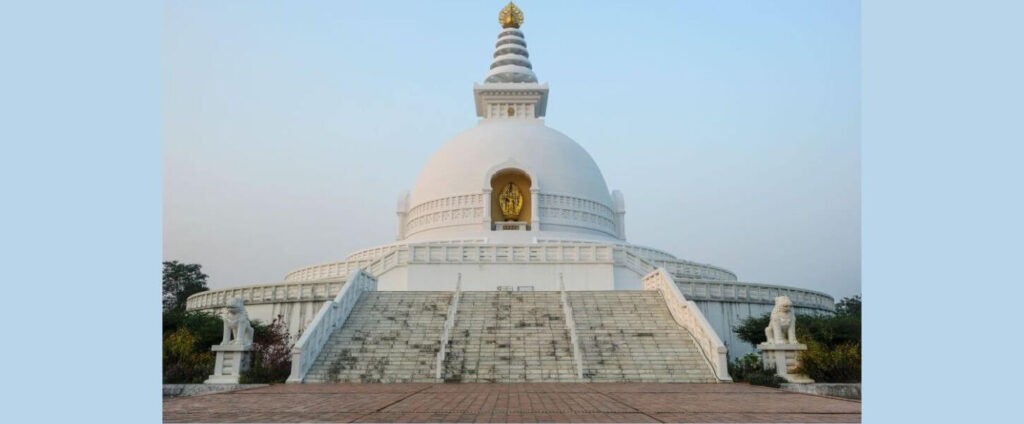
Visitors quickly realize that understanding Lumbini’s physical landscape requires embracing its spiritual dimensions, as every corner connects directly to the life and teachings of the Buddha. Growing up across this region profoundly shaped his worldview, while his later interactions with followers here cemented his lasting legacy.
Regardless of personal faith, countless travelers agree that Lumbini’s unique ambiance radiates profound peace and spiritual energy. Throughout history, millions of pilgrims have journeyed here to reflect deeply upon the Buddha’s timeless teachings. Today, monks and spiritual seekers sit quietly beneath sacred trees, along tranquil ponds, or inside meditation centers to pursue their inner journeys.
Historical Importance of Greater Lumbini
Beyond its spiritual depth, Lumbini holds immense historical significance. During the time of the Buddha’s birth, vibrant minor kingdoms inhabited this interconnected region, and each maintained a unique bond with his lineage.
To truly grasp the world of the Buddha, travelers should explore the archaeological sites surrounding Lumbini. Thanks to recent restoration and preservation efforts, visitors can now easily walk these historic grounds and connect firsthand with the legendary events of his life.
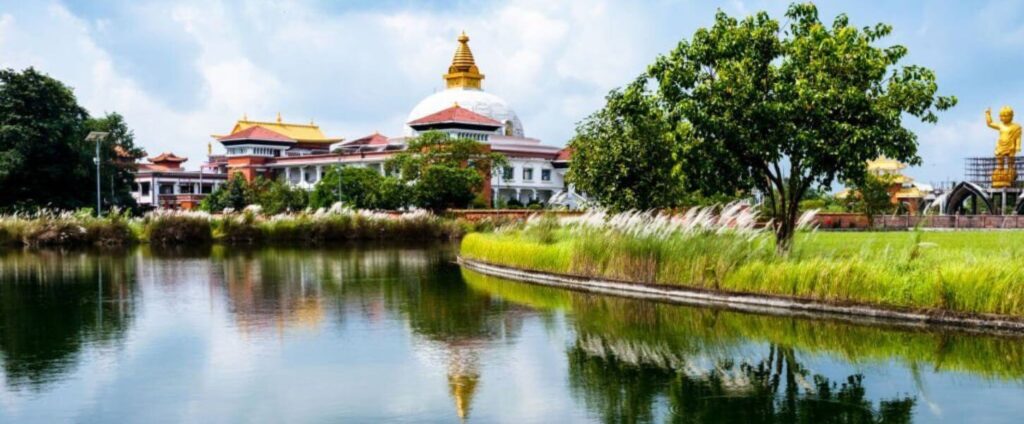
Located about 30 kilometers from Lumbini, major archaeological digs have revealed the ancient city of Kapilavastu. Here, Prince Siddhartha grew up and lived until his 29th year. As a prosperous capital city, it offers visitors a glimpse into his life of luxury before he renounced his material belongings to seek spiritual truth.
Nearby, archaeologists built several stupas at the Kudan site to commemorate key events in Buddha’s life. Most notably, these structures mark his emotional reunion with King Suddhodhana seven years after attaining enlightenment. Furthermore, monks ordained his son Rahula here at age eight.
Devadaha’s Historical Roots
Similarly, extensive excavations took place in Devadaha, an ancient city located 57 kilometers from Lumbini. When Queen Mayadevi traveled toward her home village, she stopped here to give birth. Consequently, devotees built numerous monuments in her honor, and historians continue discovering fascinating artifacts in the area.
Frequently Asked Questions About Lumbini
-
What makes Lumbini famous? Undoubtedly, Siddhartha Gautama (Lord Buddha) was born in Lumbini’s sacred gardens in 623 BC, transforming it into a legendary pilgrimage destination. Later, ancient pilgrims erected a memorial pillar to honor this sacred geography.
-
Why do tourists visit Lumbini? Travelers come to explore the exact birthplace of Buddha and walk the grounds where he spent his early years as Prince Siddhartha.
-
Did Lumbini belong to India? No, historical evidence confirms otherwise. Specifically, an inscription on a pillar that Mauryan Emperor Asoka constructed in 249 BC proves that Lord Buddha was born in Lumbini, situated firmly within the Terai plains of southern Nepal.
-
What is the ideal time for visiting Lumbini? Ideally, April and May offer the best visiting window. During this period, Buddhists worldwide—especially from Nepal and India—gather to grandly celebrate Buddha Jayanti (Lord Buddha’s birthday).
-
Is a trip to the Lumbini UNESCO site worthwhile? Absolutely. Every year, thousands of pilgrims arrive to worship, reflect, and study. Over time, the complex has evolved from a single shrine into a sprawling sanctuary featuring stunning Buddhist temples donated by nations across the globe.