Everest Base Camp Trek: Complete Guide (Cost, Itinerary, Difficulty & Best Time)
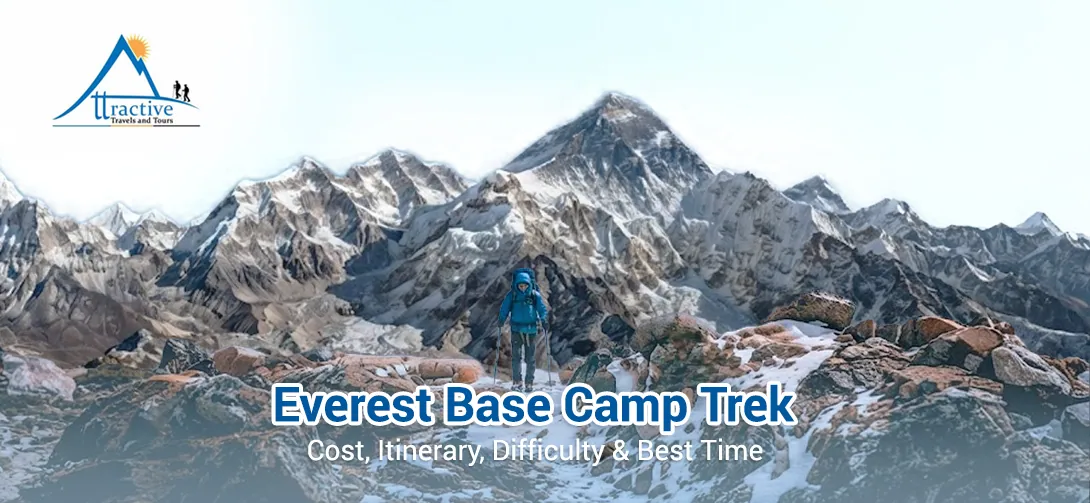
The Everest Base Camp Trek itself isn’t a climb of any sort, but it does involve trekking through one of the most breathtaking sceneries in the world. In about two weeks, you get to trek past Sherpa settlements, travel over suspension bridges, explore ancient monasteries, and end up right at the base camp of Mount Everest itself.
For many travelers, this trek is a lifelong goal. Reaching base camp doesn’t call for mountaineering skills. Still, it does call for real preparation, honest expectations, and enough time built in to acclimatize safely. Knowing what to expect before you land makes the whole trip easier to enjoy.
This guide covers what you need to know before booking: cost, difficulty, permits, flights, a full itinerary, the best seasons to go, and a few options beyond base camp itself. Whether this is your first Himalayan trek or you’re back for more, it should help you plan with confidence.
About the Trek and the Everest Region
The trek runs through the Everest territory of northeastern Nepal, inside Sagarmatha National Park, a UNESCO World Heritage Site known for its glaciers, high peaks, and rich wildlife. The trail starts after a flight to Lukla. It traces the path along the Dudh Koshi Valley via mountain villages and ends at the base camp of Mount Everest at 5,364 meters.
This journey is much more than just reaching the base camp. The trekking route provides an opportunity to experience Sherpa traditions almost everywhere, from the famous Tengboche monastery to the prayer flags and local communities that have been living here for generations, with the help of mountaineering and Himalayan trading.
Contact Attractive Travels and Tours today to plan your Everest Base Camp Trek for 2026 or 2027.
Everest Base Camp Trek Difficulty
One of the first questions people ask before booking is how hard the trek actually is. The honest answer is that the real challenge comes from altitude, not technical climbing. That’s why preparation matters more here than any past trekking experience.
What Makes It Challenging
The trail itself is well maintained, and you won’t need ropes or climbing gear. You will, though, spend several days walking five to eight hours while steadily gaining height.
Above 3,500 meters, the air noticeably thins, so even gentle climbs start to feel harder. The highest overnight stop is Gorak Shep at 5,164 meters, just before Everest Base Camp and Kala Patthar. Cold nights, shifting weather, and back-to-back walking days all add to the difficulty.
Fitness and Preparation
Fitness will definitely be beneficial here. Having previous experience in mountaineering is not required. Still, some prior physical preparation will make your days easier and allow your body to adapt to the height.
- Stamina development from walking, hiking, cycling, or running is important.
- One may consider stair climbing or hill hikes to strengthen their legs.
- Make sure to do a few day or night hikes before you travel.
- Strength training can be a good addition to your program.
- Train regularly for 6 to 8 weeks before the hike.
Everest Base Camp Trek Cost
The guide and the quality of the accommodation provided determine the total cost. The majority of trekkers prefer to purchase full guided tours which include everything from permits to local flights to accommodations and even a guide. Below is a rough estimate for all those planning to go to Everest Base Camp in 2026 and 2027.
Budget, Standard, and Premium Packages
Packages normally include basic accommodation at a teahouse, food, permits, internal air flights, and a guide. Standard packages usually provide for better lodges, more experienced guides, and better services. Luxurious packages can have improved lodges, helicopter flights back, and increased comfort along the way.
| Package Type | Price (USD) | Approx. Price (NPR) |
| Budget | $950–1,300 | NPR 130,000–180,000 |
| Standard (Most Popular) | $1,200–2,000 | NPR 165,000–275,000 |
| Premium / Luxury | $2,500–5,000+ | NPR 345,000–690,000+ |
Permit Costs
Foreign trekkers need two permits before entering the Everest territory.
| Permit | Cost |
| Sagarmatha National Park Entry Permit | NPR 3,000 (Approx. USD 23) |
| Khumbu Pasang Lhamu Rural Municipality Permit | NPR 3,000 (Approx. USD 23) |
| Total | NPR 6,000 (Approx. USD 45) |
The old TIMS card is no longer needed on this route. Foreign trekkers must still travel with a licensed guide under current rules.
Costs Beyond the Package
Many trekkers forget to budget for the small daily costs most packages don’t include.
| Extra Expense | Estimated Cost |
| Wi-Fi | USD 3–10 |
| Hot Shower | USD 2–5 |
| Device Charging | USD 2–5 |
| Guide Tip | USD 5–10 per day |
| Porter Tip | USD 3–5 per day |
It’s worth carrying enough cash too, since many villages above Lukla don’t take cards.
Getting There: Flights to Lukla
The trek officially starts with a flight to Lukla, one of the more exciting parts of the whole trip. Himalayan weather can shift fast and affect flight schedules, so it helps to understand how these flights actually work.
The Kathmandu to Lukla Mountain Flight
The short flight from Kathmandu to Lukla takes about 35 minutes and lands at Tenzing-Hillary Airport, one of the most famous mountain airports in the world.
These flights run on small aircraft built for short takeoff and landing on mountain runways. On clear days, you’ll get striking Himalayan views the whole way.
| Route | One Way | Round Trip |
| Kathmandu to Lukla | USD 215–257 | USD 430–500 |
The Seasonal Ramechhap Diversion
During the busy spring and autumn trekking seasons, most flights for Lukla depart from Manthali Airport in Ramechhap instead of Kathmandu. This helps ease air traffic congestion at Tribhuvan International Airport.
Travelers usually leave Kathmandu very early in the morning for the four- to five-hour drive to Ramechhap before boarding. It adds travel time, but flight schedules tend to run more reliably during peak months.
As the weather in the mountains is unpredictable, cancellations and delays occur frequently. The best thing to do to make sure you catch your connecting flight is to schedule an additional one or two days to your trip.
Everest Base Camp Trek Itinerary
Guided tours take almost similar routes that will allow sufficient time for acclimatization as well as gradual gain of altitude. The itinerary provided below takes into consideration the standard 14-day tour itinerary.
Standard Everest Base Camp Travel Plan
| Day | Destination |
| 1 | Fly to Lukla and trek to Phakding |
| 2 | Trek to Namche Bazaar |
| 3 | Acclimatization day at Namche Bazaar |
| 4 | Trek to Tengboche |
| 5 | Trek to Dingboche |
| 6 | Acclimatization day at Dingboche |
| 7 | Trek to Lobuche |
| 8 | Trek to Gorak Shep and Everest Base Camp |
| 9 | Hike to Kala Patthar and trek to Pheriche |
| 10 | Trek to Namche Bazaar |
| 11 | Trek to Lukla |
| 12 | Fly back to Kathmandu |
| 13–14 | Buffer or sightseeing days (recommended) |
The Early Days: Lukla to Namche Bazaar
After landing in Lukla, the trail opens with an easy walk to Phakding. The next day is tougher, crossing several suspension bridges before the climb up to Namche Bazaar, the main trading hub of the Khumbu.
The acclimatization day in Namche includes a short hike to a higher point before heading back down to sleep at the same elevation. Many trekkers also stop by the Sherpa Culture Museum or wander the local market.
Into the High Khumbu: Tengboche to Dingboche
The trail continues through pretty forest sections before reaching Tengboche, home to one of the most well-known Buddhist monasteries in the Himalayas. The quiet setting and mountain backdrop make it one of the real highlights of the trek.
From Tengboche, the route climbs steadily to Dingboche, where a second acclimatization day gives your body time to adjust before heading above 4,500 meters.
The Push to Base Camp
Leaving Dingboche, you’ll walk through Lobuche before reaching Gorak Shep, the last settlement on the route. Here, the trek leads us along the rocky moraine of the Khumbu Glacier to Everest Base Camp.
The trekking route usually takes the visitors to Kala Patthar the next morning at sunrise to get the most beautiful view of Mt Everest.
The Return Journey
The descent follows the same trail back through Pheriche, Namche Bazaar, and Lukla. Walking downhill is faster overall, though the long descents can still wear on the knees.
Extending the Trip
If you have extra time, you can extend the trek by crossing a high la pass into the beautiful Gokyo Valley. This route runs longer and harder, but it rewards you with striking lakes, glaciers, and far fewer crowds.
Every tea shop along the trail gives you a warm place to rest, a hot meal, and a bed for the night before you carry on.
Life on the Trail: Accommodation and Support
Comfort on the trail comes down to where you sleep and who’s helping you along the way. Both matter for making the trek enjoyable and safe.
Tea House Accommodation
They are the standard accommodation along the Everest Base Camp route. They’re simple, but comfortable enough for most trekkers.
They offer:
- Twin-sharing rooms with basic beds.
- Freshly cooked meals such as Dal Bhat, noodles, fried rice, soup, and pancakes.
- Wi-Fi, hot showers, and device charging for an extra fee.
Facilities get more basic as you climb higher, but the warm welcome stays the same the whole way.
Guide and Porter Support
A porter and guide team makes the trek far easier. Guides handle navigation, keep an eye on your health, explain local customs, and help out if the weather or trail conditions change.
Porters carry your main bag so that you can walk with just a light daypack. Hiring one is optional, but most trekkers who do say it made a real difference.
The People and Culture Along the Way
The trail is not only a mountain journey but also a cultural one. On your way through the mountains, you will see colorful prayer flags, prayer wheels, monasteries, and settlements where Sherpa people have been living for centuries.
The Sherpa community is renowned throughout the globe for its climbing expertise and hospitableness. Attending monasteries such as Tengboche, having an introductory knowledge of Buddhism, and interacting with the locals definitely adds meaning to the journey, other than making it to the base camp.
Best Time for the Everest Base Camp Trek
The season you select has a major influence on the journey. Spring and fall seasons are the two most popular ones since they ensure the best climatic conditions and the most visible mountain views.
- Spring (March to May): Mild temperatures, blooming rhododendron forests, and longer daylight hours
- Autumn (Late September to November): Sunny skies, stable weather, good visibility. October is generally considered the best month.
- Winter (December to February): Fewer people on the trail; very cold and sometimes snowy
- Monsoon (June to August): Rain, cloud cover, and flight delays
Beyond Base Camp: Add-On Options
For travelers with extra time or bigger goals, a few options pair well with the standard trek.
Everest View Trek
This is a good option if you’re short on time. It follows the first stretch of the Everest trail up to Namche Bazaar before turning back, giving you strong Himalayan views without going all the way to base camp.
Peak Climbing
The Khumbu region also has other climbing options for trekkers who want to pair high-altitude trekking with a guided summit of a trekking peak.
Helicopter and Luxury Options
A luxury trek can include upgraded mountain lodges, extra services, and even a helicopter return from Gorak Shep or Kala Patthar. This cuts out several days of walking down while adding unforgettable aerial views of the Himalayas.
Essential Preparation
Effective planning will make your trip adventurous as well as safe. Effective planning is equally important as having all the equipment along with information regarding altitude.
The following are some of the things you should be prepared with prior to setting out on a trekking trip:
- Make sure you have proper clothing for various climate conditions.
- Also, make sure you have good hiking boots and hiking sticks.
- Carry a water bottle with you and some water purification devices.
- Ensure that you buy suitable insurance cover for the altitude hiking trip.
- Travel at a slow pace and drink lots of water to prevent altitude sickness.
- Follow the advice of your guide during the whole trip.
Why Trek With Attractive Travels and Tours
An Everest Base Camp expedition requires more than arranging the flights. Attractive Travels & Tours is a licensed travel agency based in Kathmandu that specializes in providing permits, Lukla flights, and accommodation for the trip.
Whether this is your first Himalayan trek or you want to add on extra adventures, the team can build an itinerary around your schedule, fitness level, and goals. This trek is a once-in-a-lifetime experience, and having solid local support means you get to focus on enjoying each day on the trail.
Conclusion
Everest Base Camp Trek is the most exciting trekking journey that can ever happen in one’s life. It is filled with unique things every day, whether it is the Sherpa villages and ancient monasteries or the magnificent Himalayas.
The success of this trek rests on adequate preparations, the choice of season, proper itinerary planning, and hiring guides who are familiar with the trail. Early proper preparation will increase the chances of getting flight tickets to Lukla and booking rooms at the tea shops in the spring and autumn seasons.
FAQs
How much does it cost to trek to Everest Base Camp in 2026?
Most guided packages run from USD 1,200 to 2,000, while budget options start around USD 950. Luxury packages can go past USD 2,500 depending on what’s included.
How hard is the Everest Base Camp Trek for a first-timer?
It’s moderately tough. Most first-time trekkers finish it successfully with decent physical prep and proper acclimatization.
How many days does the Everest Base Camp Trek take?
The standard itinerary runs 12 to 14 days. However, many travelers add a day or two as a buffer in case of weather-related flight delays.
Do I need a guide to visit Everest Base Camp?
Yes, foreign trekkers are currently required to trek with a licensed guide in the Everest territory.
Which month is ideal for hiking to Everest Base Camp?
The month of October is considered the most favorable, due to consistent weather, blue skies, and beautiful mountainous visibility.
How can I plan my Everest Base Camp Trek in Nepal?
Attractive Travels & Tours will take care of all arrangements for your Everest Base Camp Trek. This includes permitting, flights to Lukla, accommodation, and even hiring of guides. Get in touch with us for organized trek planning that suits you.
Download PDF