Best Time to Visit Nepal for Trekking & Tours
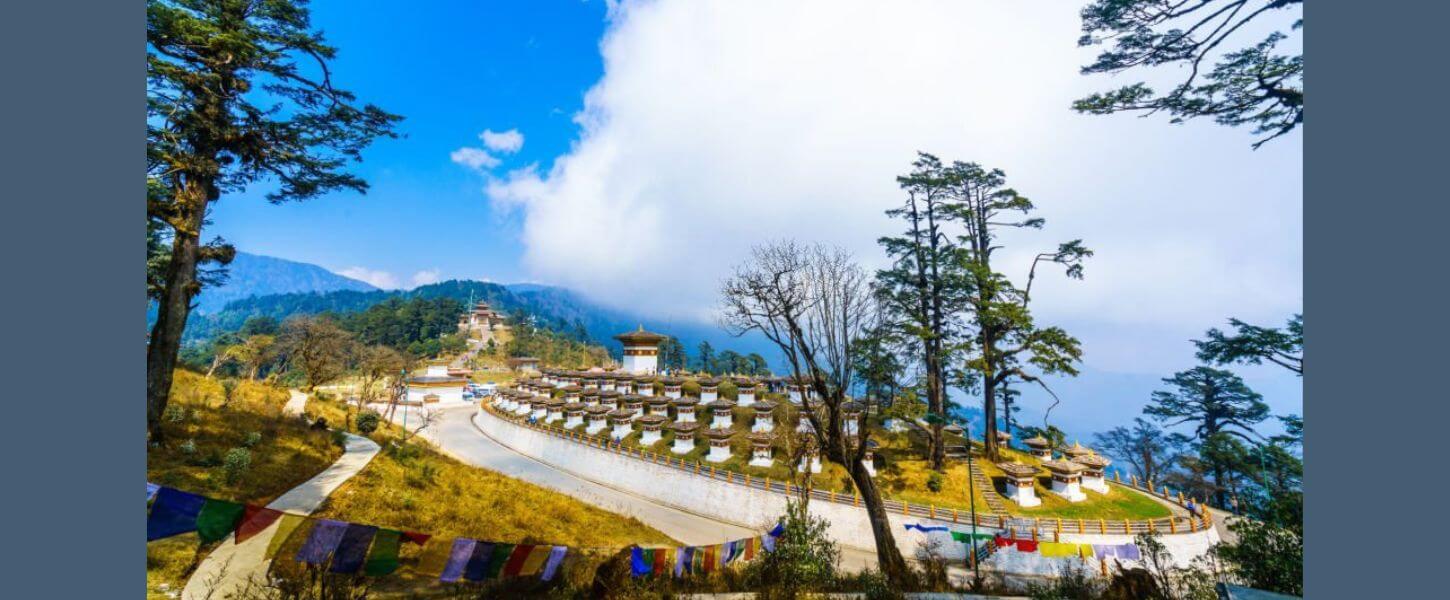
The Ultimate Guide to the Best Time to Visit Nepal for Trekking and Tours
Finding the best time to visit Nepal is essential because Nepal is a country of dramatic landscapes, ancient cities, and Himalayan adventure. Whether you are planning a gentle cultural tour or a high-altitude trek to quintessentially iconic destinations such as Everest Base Camp, Langtang, or Annapurna, timing is ultimately everything. Consequently, weather shapes not only the views and trail conditions, but also your safety, comfort at altitude, and overall travel experience. Furthermore, choosing the right time for your journey is crucial for maximizing your adventure, ensuring good weather, stunning mountain views, and lively cultural experiences. For official tourism guidelines, you can also check the Nepal Tourism Board.
Why is Timing Important When Finding the Best Time to Visit Nepal?
Seasonal changes heavily influence the Himalayas. Indeed, a well-timed season offers:
-
Clear mountain views
-
Warm temperatures
-
Safer trails
-
Blooming landscapes or crystal-clear skies
-
Access to remote routes
However, cloud-covered mountains, difficult trails, or flight cancellations are the unfortunate consequences of choosing the wrong season, most especially in high-altitude trekking zones.
Best Time to Visit Nepal for Trekking and Tours
Generally, Nepal has two major peak seasons in which one can trek and travel:
1. The Peak Trekking Season: Autumn (September to November)
Autumn is generally accepted as the absolute best time to visit Nepal for trekking and touring. Specifically, the monsoon rains have now cleared the air, and the view of the Himalayas’ crags is astounding when they are clear. Moreover, temperatures during this period were mild to cool, making trekking comfortable. Indeed, sunny days and cool nights made all trekker’s lives refreshingly invigorating.
-
Why choose autumn?
-
Crystal-clear mountain views.
-
Dry weather with minimal rainfall.
-
A festive atmosphere prevails as several Nepali festivals are celebrated.
-
Ideal trekking conditions for popular trails such as Annapurna, Everest Base Camp, and Langtang.
-
Trails are at their busiest during this season; however, they are well-supported with accommodation and services.
-
-
Average Temperatures
-
Kathmandu: 15°C – 27°C
-
Pokhara: 18°C – 28°C
-
Everest /Annapurna trekking zones: 5°C – 15°C (lower altitudes)
-
-
Best Treks During Autumn
-
Everest Base Camp (EBC)
-
Annapurna Base Camp (ABC)
-
Annapurna Circuit
-
Manaslu Circuit
-
Mardi Himal
-
Langtang Valley
-
-
Best Tours in Autumn
-
Kathmandu World Heritage Tour
-
Pokhara Lakeside Tour
-
Chitwan Jungle Safari
-
Bandipur & Gorkha cultural tours
-
Therefore, autumn’s favorable weather and vibrant cultural festivities provide a perfect blend of adventure and heritage discovery.
2. Spring: A Blooming and Beautiful Season (March to May)
Spring is another fantastic choice when evaluating the best time to visit Nepal, serving as the second-best season for trekking and touring, with blooming rhododendrons and other alpine flowers in full bloom. Additionally, the temperature is warmer than in autumn, and it has longer daylight hours, making for pleasant trekking temperatures.
-
Advantages of spring trekking include:
-
Blooms of glory, especially in regions such as Annapurna.
-
Warm days, cool nights, and predominantly stable weather.
-
Ideal conditions for trekkers who want to avoid the autumn crowd.
-
Enhanced opportunities for wildlife viewings and bird watching.
-
Furthermore, it is good timing for peak climbing, like that of Mount Everest and other Himalayan summits.
-
-
Weather Characteristics
-
Clear mornings
-
Slightly cloudy afternoons
-
Moreover, moderate probabilities of short rains by the afternoon.
-
-
Best Places to Trek in Spring
-
Ghorepani Poon Hill
-
Mardi Himal Trek
-
Everest Three Passes
-
Kanchenjunga region
-
Upper Mustang (late spring onward)
-
-
Best Tours in Spring
-
Cultural circuits of Kathmandu Valley
-
Lumbini Buddhist pilgrimage
-
Pokhara adventure activities (paragliding, boating, ultralight flights)
-
Although spring can have occasional rainfall, nevertheless, that doesn’t matter much, as it usually offers clear trekking conditions suited to nature lovers and adventurers.
3. Winter: Quiet and Serene but Cold (December to February)
Although trekking is least popular during the winter season, as it is very cold and offers heavy snowfall at higher altitudes, conversely, some trekkers may find it a unique experience, as it provides more solitude at lower altitudes.
-
Lower-elevation treks (Ghorepani, Poon Hill, Helambu)
-
Cultural city tours
-
Jungle safaris in Chitwan and Bardiya
-
Pros: Least crowded, excellent visibility, and lower accommodation costs.
-
Cons: Very cold in higher altitudes, possible trail closures due to snowfall, and flights to Lukla or Jomsom may get delayed.
Thus, winter is ideal for the traveller who is looking to travel in peace and is well prepared for the colder conditions.
4. Monsoons (June to August) – Rainy but Underrated
Typically, the recommendation is not to trek during monsoon season due to rainfall, slippery trails, and landslides; however, this time can be fabulous for specific regions:
-
Mustang (rain-shadow region)
-
Dolpo region
-
Kathmandu & cultural tours
-
Photography tours (dramatic clouds and greenness)
-
Pros: Lush landscapes, peaceful trails, and fruit season in Nepal.
-
Cons: Leeches on lower altitude trails, landslide-prone roads, and cloudy mountain views.
Best Time for Different Kinds of Travellers
-
For Trekking Enthusiasts:
-
Best Seasons: Autumn and Spring
-
Best routes for visibility: Everest Base Camp, Annapurna Base Camp, Langtang
-
-
For Cultural Tour Travellers:
-
Best Seasons: Autumn, Winter, and Spring
-
Top Activities: Kathmandu Heritage Walks, Bhaktapur Durbar Square, Lumbini Pilgrimage
-
-
For Wildlife Lovers:
-
Best Seasons: Winter to Early Spring (December-April)
-
Best Places: Chitwan National Park, Bardiya National Park
-
-
For Adventure Sports:
-
Paragliding: Sept-Apr
-
Rafting: Monsoon + Autumn
-
Bungee: Year-round
-
How to Prepare for Trekking in Nepal?
-
Book flights and accommodation as early as possible during peak seasons to avoid higher travel costs and limited seats and bed availability.
-
Train at least 4-6 weeks in advance (cardio + leg strength).
-
When trekking in variable temperatures, take layered clothing including a warm jacket, waterproofs, and sturdy trekking boots.
-
Acclimatize properly, as this is essential while trekking.
-
Furthermore, travel insurance should be arranged that includes high-altitude evacuation.
-
Keeping oneself hydrated and eating good food are two methods to prevent AMS.
-
Finally, choose a bona fide local guide for safety reasons.
Gear Needed for Trekking in Nepal
The following are the most necessary pieces of gear:
-
Layered clothing (base, mid, down, shell)
-
Hiking Boots
-
Trekking Poles
-
Sunglasses to protect against UV rays
-
Sleeping Bag (down is recommended for autumn or winter trekking)
-
Water Purification System
-
First-aid Set & Altitude Medicines
Conclusion
Ultimately, figuring out the best time to visit Nepal for trekking and tours ensures your journey remains truly unforgettable. Indeed, from crystal-clear views post-monsoon to vibrant spring blossoms painting the hills, every season in Nepal showcases a distinct charm. Whether it involves chasing Himalayan peaks, delving into ancient heritage sites, or encountering wildlife, therefore, the ideal season is always waiting for you. If you are ready to plan your Nepal trip and need someone to guide you with expertise for seamless logistics and personalized tour planning, then the Attractive Travels and Tours Homepage stands proudly as your trusted partner. Consequently, their expert team can help you pick a season, itinerary, and trekking or touring adventure tailored perfectly for your needs. You can also reach out via their Contact Page for custom packages.
Frequently Asked Questions (FAQs)
1. What is the best time to visit Nepal for trekking? Generally, the best times for trekking in Nepal are Autumn (September–November) and Spring (February–April) when weather conditions remain stable, skies stay clear, and trails are dry.
2. Can one trek in Nepal during winter? Yes, trekking in Nepal is indeed possible during winter, specifically on lower-elevation treks like Ghorepani–Poon Hill, Mardi Himal (lower camps), and Helambu. However, the high passes may be closed due to heavy snow.
3. What is the best season for cultural tours around Nepal? Furthermore, cultural tours are best in Autumn and Winter when comfortable temperatures coincide seamlessly with major festivals such as Dashain, Tihar, and Chhath.
4. Do weather conditions affect flights to and from Lukla and Jomsom? Yes. Frequently, flights get delayed by fog, rain, and wind during the monsoon and winter seasons. In contrast, autumn and spring feature the most reliable flight conditions.
5. What is the best time to visit Nepal for adventure sports? Ultimately, Autumn and Spring are ideal for activities such as:
-
Paragliding
-
Ultralight flights
-
White-water rafting
-
Bungee jumping
-
Consequently, the prevailing conditions remain highly favourable for clear skies and stable winds.